Trade negotiators from India and the European Union are no longer confident they can finalize a long-awaited free trade agreement by the end of the year, with discussions stalled on sensitive sectors like automobiles and steel, according to sources familiar with the matter cited by Bloomberg. The delay underscores the political and technical challenges facing one of the world’s most complex trade negotiations.
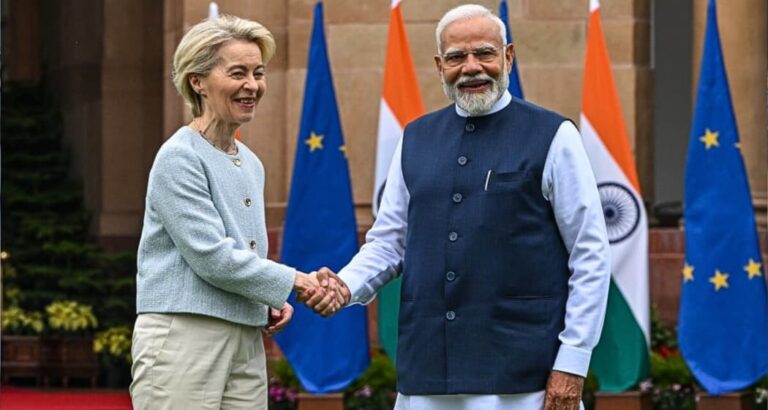
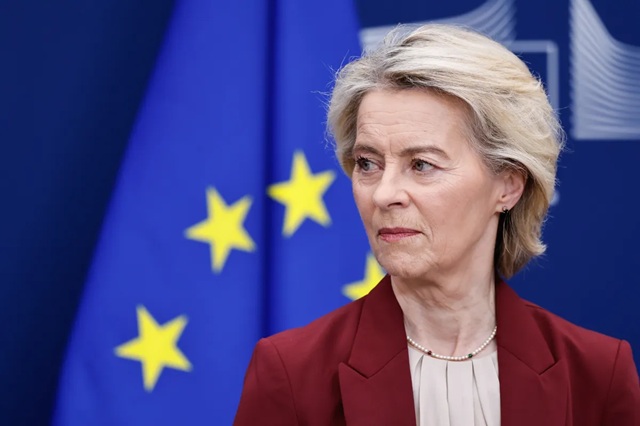
Bloomberg reported that negotiations are now expected to extend into next month, with both sides hoping to strike a deal that could be announced when European Commission President Ursula von der Leyen leads a delegation to New Delhi in January. Indian Prime Minister Narendra Modi and von der Leyen agreed in February to conclude the deal before the end of this year, raising expectations that negotiators are now struggling to meet.
Even though India and the EU have regained political momentum after the summer break, key technical issues remain unresolved. People close to the negotiations told Bloomberg that the final deal would likely be narrower in scope and ambition than other trade deals struck by the EU in recent years, reflecting the compromises needed to bridge remaining differences.
The most controversial areas focus on automobiles and steel. The EU is pressuring India to increase its quota of around 80,000 cars that European manufacturers could export to India at reduced customs duties, according to some sources. India, meanwhile, is seeking to reduce tariffs on some steel exports to Europe and gain greater flexibility over EU carbon border tax rules, which New Delhi says could disadvantage its producers.
European Commission spokesman Olof Gill said EU trade chief Maros Sefcovic visited India earlier this month to advance negotiations, following what he described as intensive technical discussions. Gill said the engagement would continue with the aim of achieving the goal of finalizing the negotiations by the next EU-India summit. India’s Ministry of Commerce and Industry did not immediately respond to a request for comment.
The free trade agreement has been under negotiation for nearly two decades, but Bloomberg noted that negotiations gained urgency this year after U.S. President Donald Trump returned to the White House and imposed significantly higher tariffs that disrupted global trade flows. A 50% U.S. tariff on Indian goods has hit India’s export industries hard, prompting Modi’s government to accelerate efforts to secure alternative markets.
Commerce Minister Piyush Goyal said during a visit to Brussels in October that India and the EU had significantly narrowed their differences. At the same time, India has accelerated negotiations with several other partners, including New Zealand, Chile, Peru and Oman, to compensate for reduced access to the US market. Modi is expected to visit Oman next week, while New Zealand’s trade minister is currently in India for a new round of talks. India finalized a trade deal with the United Kingdom in July, eliminating tariffs on products ranging from cars to alcohol.
Bloomberg reported that the EU, for its part, is also working to deepen trade and strategic partnerships globally, while seeking to diversify away from reliance on the United States and China, its two largest trading partners. Despite this, the bloc is struggling to conclude its historic trade deal with Mercosur countries Argentina, Brazil, Uruguay and Paraguay by the end of the year, the most important deal ever negotiated after 25 years of negotiations.
About The Author