Analysts see an increase in FDI, technology transfer and export competitiveness if supported by domestic reforms and guarantees for SMEs.
Dr Tanveer Ahmed
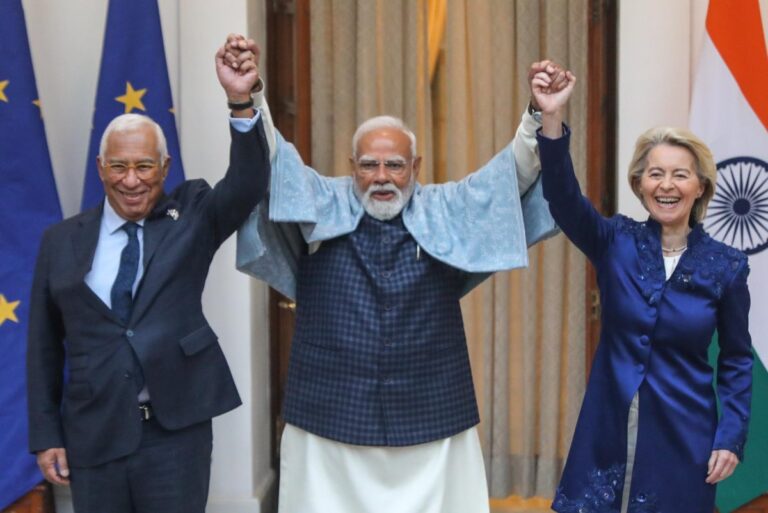
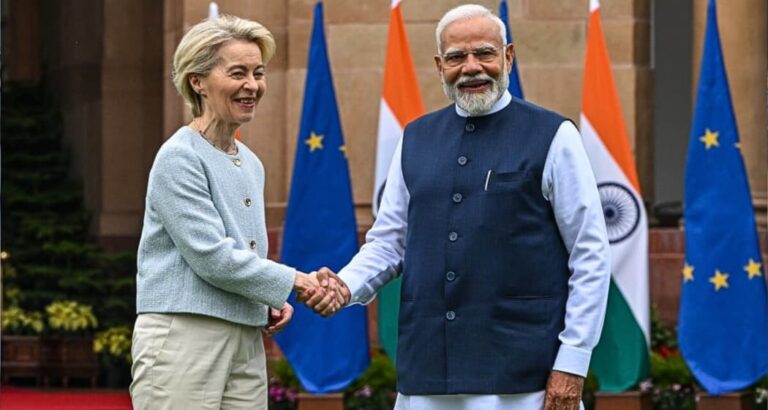
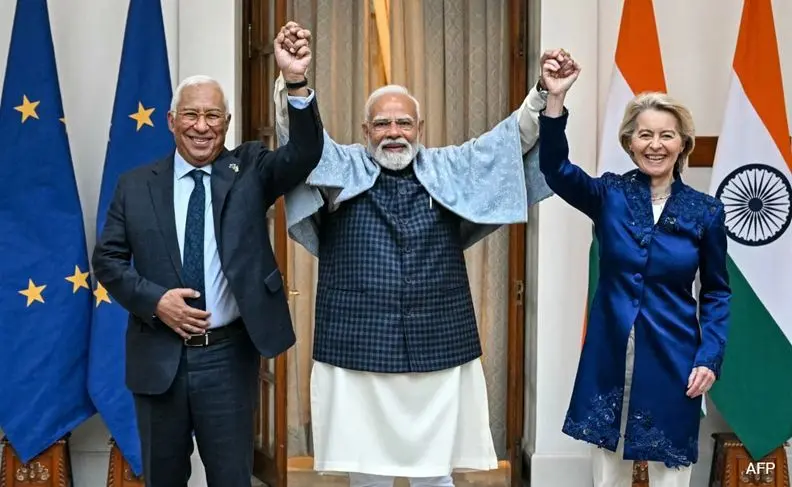
The India-European Union Free Trade Agreement, described as the “mother of all deals”, is one of the most important economic agreements in India’s recent history. After years of negotiations, India and the European Union have moved toward a comprehensive trade partnership that has the potential to reshape India’s global economic engagement. The agreement comes at a time when the global economy faces uncertainty, supply chain disruptions and growing protectionism. In this context, the India-EU FTA constitutes a symbol of cooperation, growth and strategic alignment.
The India-EU Free Trade Agreement is a comprehensive trade agreement between India and the twenty-seven members of the European Union. Together, these economies represent nearly two billion people and a substantial share of global output. The agreement aims to reduce or eliminate tariffs on most goods traded between the two sides, while also covering services, investments, intellectual property and regulatory cooperation. Once fully implemented, a large portion of Indian exports to the EU will enjoy duty-free access, while European products will enter the Indian market at reduced tariffs.
This agreement is nicknamed “the Mother of all agreements” because of its scale and impact. It is one of the largest trade deals India has ever negotiated, both in terms of size and market scope. Unlike traditional trade agreements limited to goods, this FTA includes services, investments and long-term cooperation, making it a truly transformative partnership. It has the potential to influence not only trade flows but also technology transfer, job creation and industrial growth in India.
One of the biggest benefits of the India-EU FTA for India is the boost it will provide to exports. Labor-intensive sectors, such as textiles, clothing, leather, gems and jewelry, and marine products, are expected to see significant gains through better access to the European market. Engineering goods, pharmaceuticals and processed foods will also become more competitive as tariffs are reduced. Increased exports will support the domestic manufacturing industry and generate jobs, especially for small and medium-sized businesses.
The services sector, which is a major asset of the Indian economy, is also expected to benefit. The agreement opens new opportunities for Indian IT professionals, consultants and service providers in the European market. Better market access and clearer regulatory frameworks can help Indian companies increase their presence in high-income economies. Additionally, improved mobility arrangements can support skilled professionals and knowledge exchange.
Another important benefit of the FTA is the expected increase in foreign direct investment. European companies are likely to invest more in India in sectors such as manufacturing, renewable energy, infrastructure and technology. This will bring not only capital, but also advanced technologies, management practices and innovation. Reducing customs duties on European machinery and equipment will reduce input costs for Indian manufacturers and improve productivity.
Indian consumers are also expected to benefit from this agreement. With reduced import duties, high-quality European products such as automobiles, medical devices, electronics and some food products could become more affordable over time. Increased competition can improve quality standards and provide more choice for consumers.
From a strategic perspective, the India-EU FTA strengthens India’s position in the global economy. This helps diversify business partnerships and reduces dependence on a single market. At a time when global trade is being reshaped by geopolitical tensions, this agreement strengthens economic resilience and reinforces India’s image as a reliable and open trading partner.
However, the deal also presents challenges. Some domestic industries could face increased competition from European imports. Small producers may need support to adapt to higher quality and regulatory standards. It will be important for the government to implement the agreement carefully, with adequate safeguards and capacity building measures, to ensure inclusive growth.
In conclusion, the India-EU Free Trade Agreement is a historic milestone in India’s economic journey. It offers vast opportunities for trade, investment, employment and global integration. Although challenges exist, the long-term benefits outweigh the risks if supported by strong domestic reforms. The “Mother of All Deals” has the potential to transform India-EU relations and contribute significantly to India’s aspiration to become a major global economic power.
The author is an Assistant Professor of Economics at Government Degree College Pouni.
doctor************@********il.com
About The Author