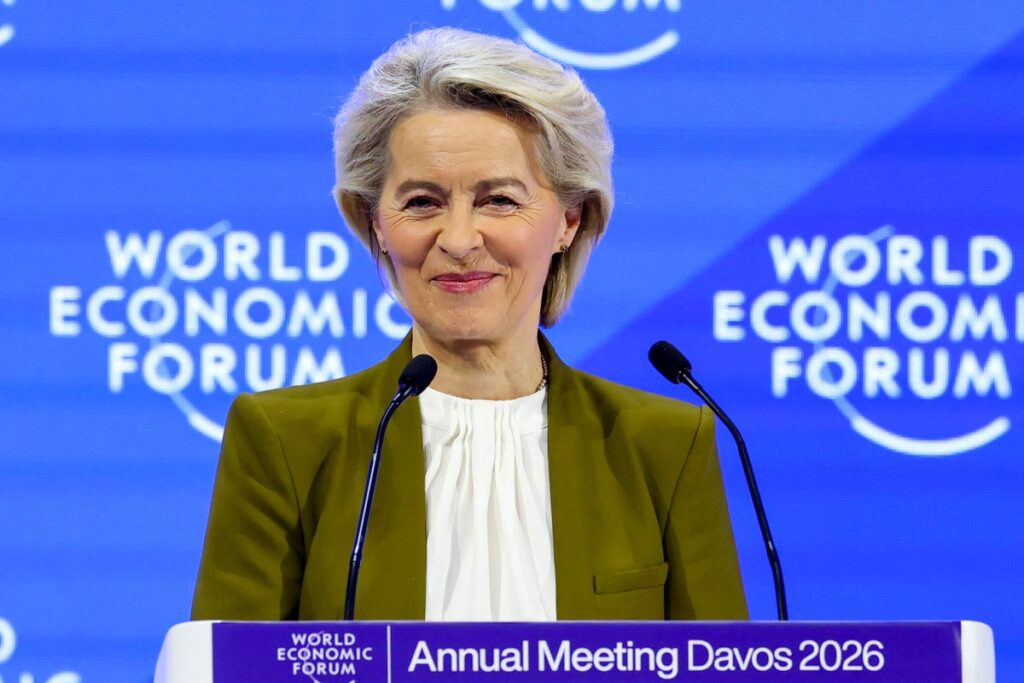
The EU was close to signing a historic trade deal with India, European Commission President Ursula von der Leyen said, signaling that long-running negotiations were over.
Speaking at the World Economic Forum in Davos, she said the deal would create a market for 2 billion people.
“Right after Davos, I will travel to India. There is still work to do. But we are on the cusp of a historic trade deal. Some call it the mother of all deals,” Von der Leyen said on Tuesday.
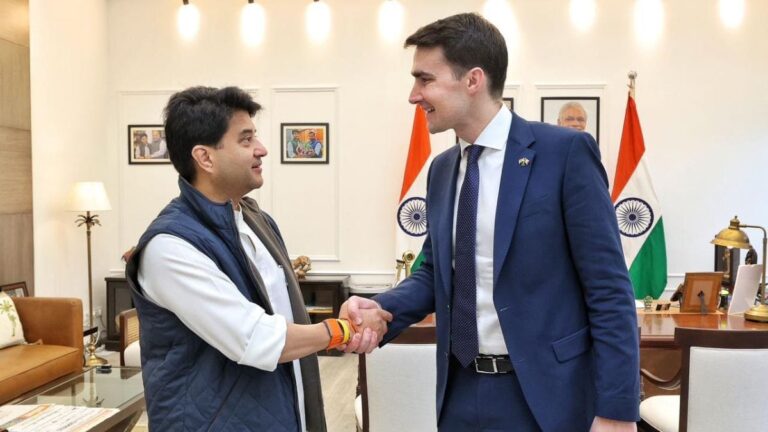
Spanish Foreign Minister José Manuel Albares also expressed optimism during a visit to Delhi on Wednesday morning, telling reporters that a deal would likely be reached in the coming days.
India and the EU began negotiations on a free trade agreement in 2007, but suspended them in 2013. They returned to the table in 2022, only for discussions to stall on market access issues for products like cars and alcoholic beverages.
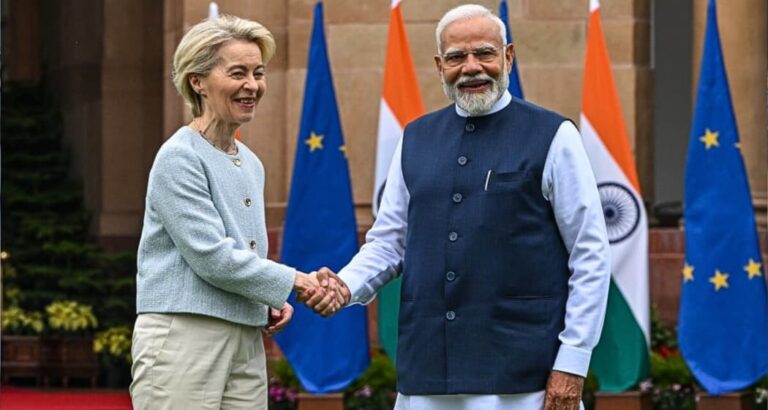
Ms Von der Leyen is expected to land in India for a three-day visit on January 25. She and European Council President Antonio Luís Santos da Costa will attend the annual Republic Day celebrations in Delhi on January 26 as chief guests.
Ms Von der Leyen will then lead the India-EU summit talks with Prime Minister Narendra Modi, where they are expected to announce the conclusion of negotiations on the long-awaited trade deal.
The EU is India’s largest trading partner, ahead of the United States and China. In 2023-2024, their trade was worth more than $130 billion, an increase of almost 90% over the last decade. Nearly 6,000 European companies operate in India.
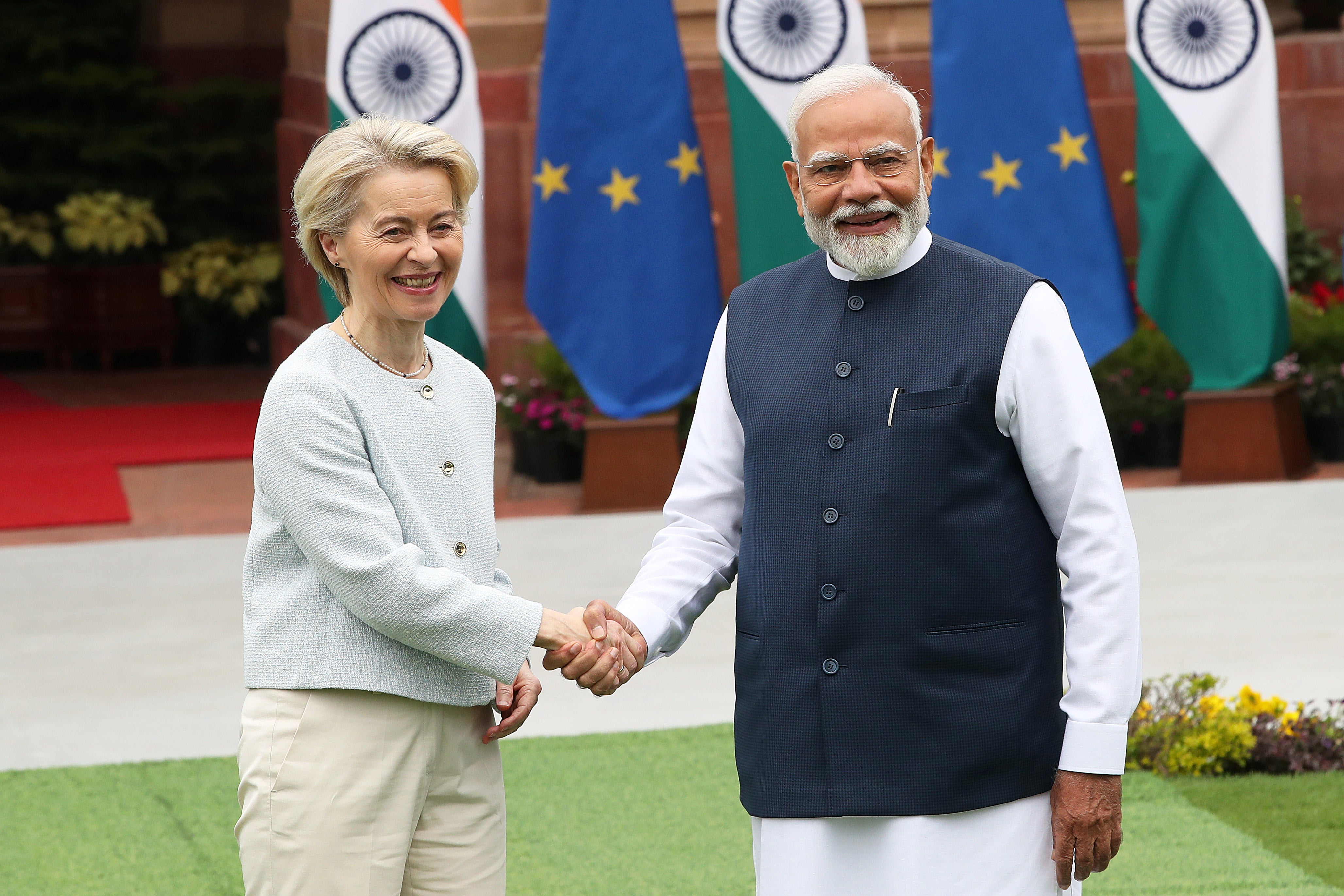
The trade deal will remove barriers and help European companies export more to India and open up markets on both sides. If signed, it will be India’s largest free trade agreement in terms of economic scale and regulatory coverage, giving it preferential access to all 27 EU member states through a single framework.
The EU is keen to expand relations in the Indo-Pacific region as Donald Trump’s administration threatens to impose punitive taxes on European countries for opposing its desire to annex Greenland.
European leaders condemned Mr. Trump’s threats as economic coercion and said they were preparing possible retaliatory measures, such as tariffs and activating the bloc’s Anti-Coercion Instrument.
For India, trade negotiations with the EU have taken on greater importance since the United States imposed a reciprocal 25 percent tariff on the South Asian country and an additional 25 percent levy on the purchase of Russian oil.
India and the United States have struggled to finalize their own trade deal, with both sides describing themselves as “very close” or “close” repeatedly without reaching a conclusion.
About The Author