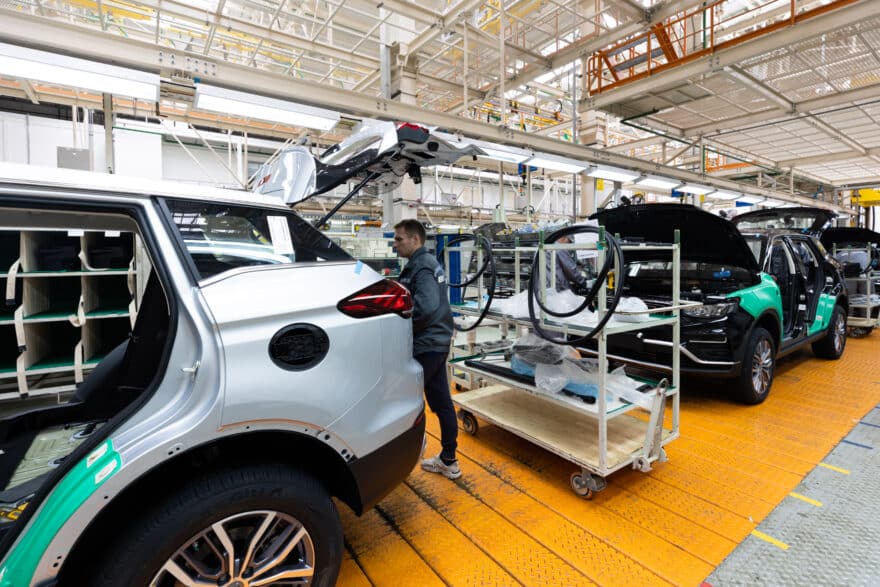
The proposed India-EU trade deal could reduce import duties on electric vehicles, prompting the government to rethink incentives under its manufacturing program.
The government is considering changes to its electric passenger car manufacturing incentive scheme as negotiations on a free trade deal between India and the European Union gather pace, according to a report from Economic times.
The review is being considered as a possible India-EU FTA could reduce import duties on electric vehicles, thereby reducing the attractiveness of the current incentive framework for global electric vehicle manufacturers to set up production facilities in India. Officials say the existing structure may need to be overhauled to remain competitive if pricing concessions become available under trade deals.

The scheme to promote manufacturing of electric passenger cars in India was approved by the Center in March 2024 but has not received any applications so far. Companies have raised concerns over uncertainty over trade talks between India and the EU as well as China’s restrictions on the export of rare earth magnets, which are key components for making electric vehicles.
A senior government official told the newspaper that tariff concessions alone may not be enough to attract investment once the FTA is finalized. Car manufacturers have reportedly indicated that if similar price advantages were available without mandatory investment commitments, the system could lose its relevance. High investment thresholds and tight deadlines have also been reported to be a deterrent.
The SPMEPCI allows certain companies to import electric passenger cars at reduced customs duty of 15% for five years, provided they commit to investing at least ₹41.50 billion in local manufacturing. The program aims to position India as a major electric vehicle manufacturing hub, create jobs and support clean mobility goals, including the Net Zero goal for 2070.
About The Author