India is actively engaged in multiple Free Trade Agreement (FTA) negotiations aimed at expanding market access, strengthening exports and protecting domestic industries, the government informed Parliament.
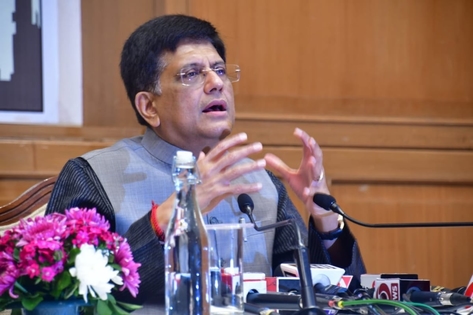
In a written reply to a question asked in the Rajya Sabha on Friday (December 19), Commerce and Industry Minister Piyush Goyal describe the state of the main commercial negotiations currently underway.
Progress of ongoing Free Trade Agreement (FTA) negotiations
1. India-Australia Comprehensive Economic Cooperation Agreement (ECCA): Negotiations with Australia under the Comprehensive Economic Cooperation Agreement have completed eleven rounds since they began in February 2023.
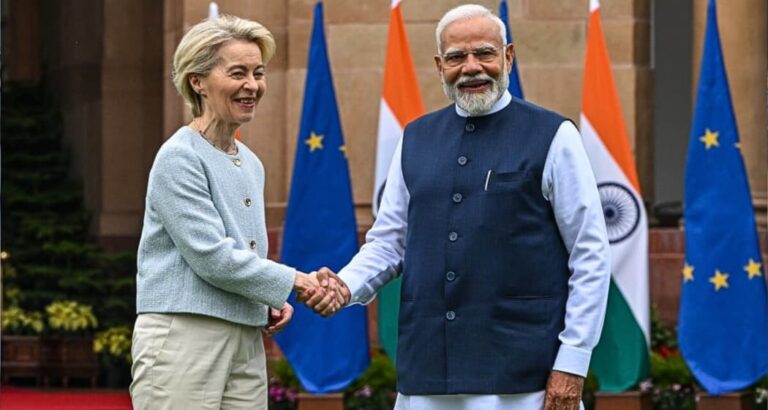
2. India-European Union (EU) FTA: Negotiations with the European Union have seen fourteen rounds concluded since their launch in June 2022, with both sides working towards a balanced and mutually beneficial agreement.
3. India-Sri Lanka Economic and Technological Cooperation Agreement (ETCA): India has also conducted fourteen rounds of negotiations with Sri Lanka under the Economic and Technological Cooperation Agreement.
4. India-Peru FTA: Nine rounds of negotiations have taken place since talks began in 2017.
5. CEPA India-Chile: Four rounds of negotiations have taken place with Chile since the talks launched on April 1, 2025.
6. FT India-New ZealandA: The talks with New Zealand, launched in May 2025, have also passed four rounds and are at an advanced stage of finalization.
7. India-US Bilateral Trade Agreement (BTA): Negotiations for bilateral trade agreements with the United States began in March 2025, with six rounds completed to date.
8. India-Eurasian Economic Union (EAEU) FTA: India held the first round of negotiations with the Eurasian Economic Union in November 2025.
Along with the new agreements, the review of the ASEAN-India Trade in Goods Agreement is underway, and enhanced negotiations are underway for the India-Korea Comprehensive Economic Partnership Agreement.
Responding to concerns related to domestic industries, the government said free trade agreements include provisions such as sensitive and exclusion lists to limit or deny tariff concessions on certain products.
In the event of import surges causing harm to domestic sectors, countries can invoke trade remedies, including anti-dumping duties and safeguard measures, as mutually agreed under FTAs.
“FTAs are entered into with relevant trading partner countries primarily with the aim of increasing bilateral trade by expanding the scope of market access and leveraging trade complementarities to increase trade and investment, thereby providing increased export potential, generating benefits for industry, farmers, MSMEs and creating employment.
opportunities across the country,” Goyal said.
Please click here to add Swarajya as a preferred and trusted news source on Google
About The Author