(Image source: The Hindu)
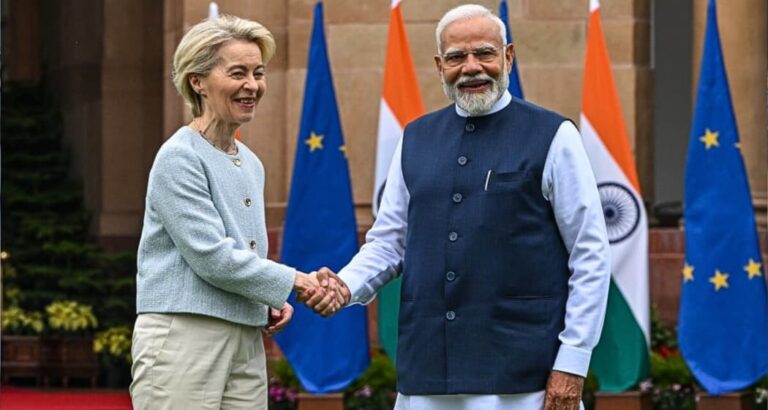
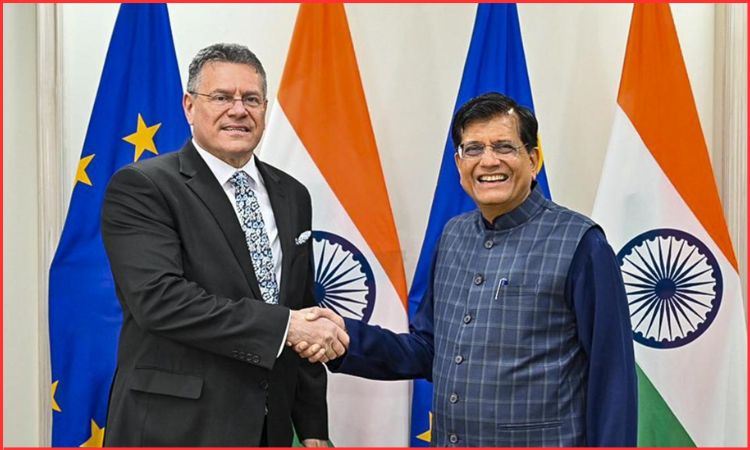
India and the European Union are trying to reach a major trade deal by December. If they succeed, it could change the way Indians do business with Europe and the price of goods here.
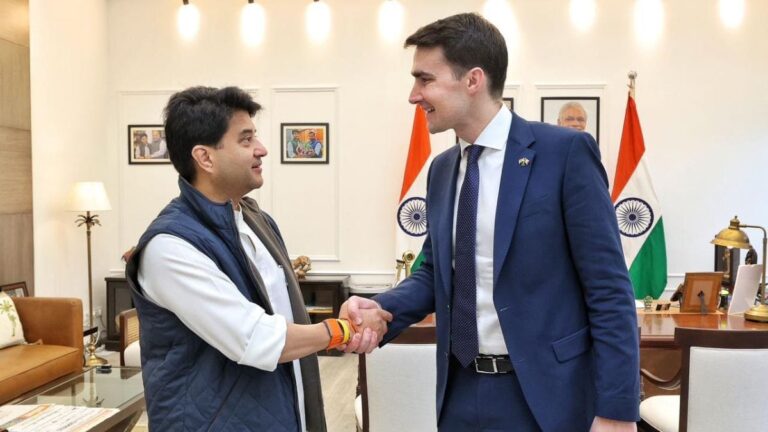
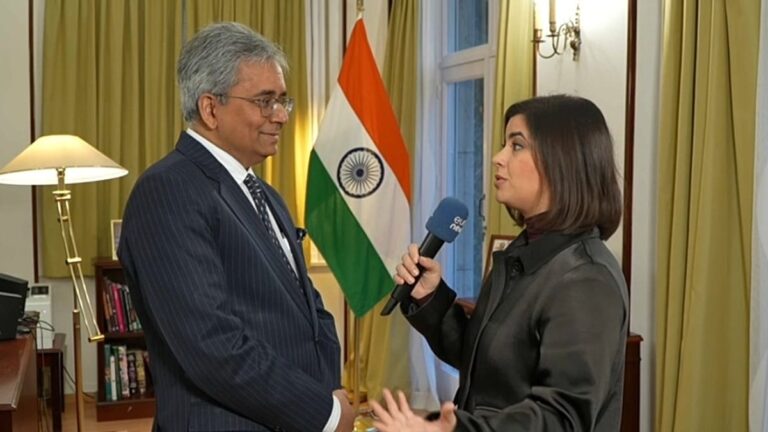
Both countries say they want to achieve this quickly. Teams from India and Europe meet regularly to resolve outstanding issues.
What is this trade agreement about?
A free trade agreement means removing taxes and barriers on goods moving between two places. Currently, when Indian companies sell to Europe, they pay high taxes. When European products arrive in India, they also pay taxes.
If this agreement comes to fruition, these taxes will fall. Indian medicines will be cheaper to sell in Europe. European machines will be cheaper to buy in India.
Who benefits from India?
Indian pharmaceutical companies stand to gain the most. They sell drugs in Europe but currently face high import taxes. A deal means their drugs become cheaper on European markets.
Indian software and IT companies will find it easier to work with European clients. Fewer rules and paperwork allow them to do business faster.
Indian farmers growing basmati rice and spices will benefit from better prices in Europe. Currently, Europe imposes high taxes on these products. A deal means less taxes, which allows Indians to sell more.
Small Indian factories making clothing, furniture or spare parts could sell more in Europe at better prices.
What Europe wants
European companies produce expensive machines and equipment. They want to sell more to Indian factories at lower prices.
European farms produce wine, cheese and other culinary specialties. They want Indians to buy these products at lower prices than they currently charge.
European banks and insurance companies want to develop their activities in India. They want fewer rules preventing them from opening offices here.
What this means for Indian consumers
If the deal works, some European products will become cheaper. French wine. Cheese from Denmark. Sophisticated German machines for Indian factories.
But Indian companies that sell their products in Europe will also become more competitive. This could mean more jobs in pharmaceutical companies, IT companies and factories.
Overall, more trade between India and Europe means more growth. This growth creates more jobs and injects more money into the Indian economy.
Chronology
Negotiations are currently taking place in Brussels and New Delhi. Both parties say they want to end it by the end of December 2025.
If they finish, the Indian government will have to approve it. The EU will also need approval from its member countries. This approval process may take a few months.
Once approved, the agreement becomes official. Businesses can start to benefit from tax cuts and easier trade.
What happens after the transaction
Once the deal is official, Indian exporters will be able to plan better. They know what taxes they will pay. European importers know what prices to expect.
Businesses will invest more. Indian pharmaceutical companies could build bigger factories. European tech companies could hire more Indians.
The deal could attract more European investment to India. European companies could set up offices and factories there.
For your wallet
Some products could become cheaper. Others may become more expensive as prices stabilize. Overall, more trade generally means more choice and better prices for consumers.
Jobs could increase in sectors that trade more with Europe. Medicine, IT, agriculture and manufacturing could see more hiring.
Prices in stores may change. European products could cost less. But the prices of Indian products sold locally could also change.
The key to remember
This trade agreement between India and the EU is important for the Indian economy. This opens doors for Indian companies in Europe. It brings European products and investments to India.
If both sides complete negotiations by December, it will be a big victory for Indian exporters and consumers seeking variety.
About The Author