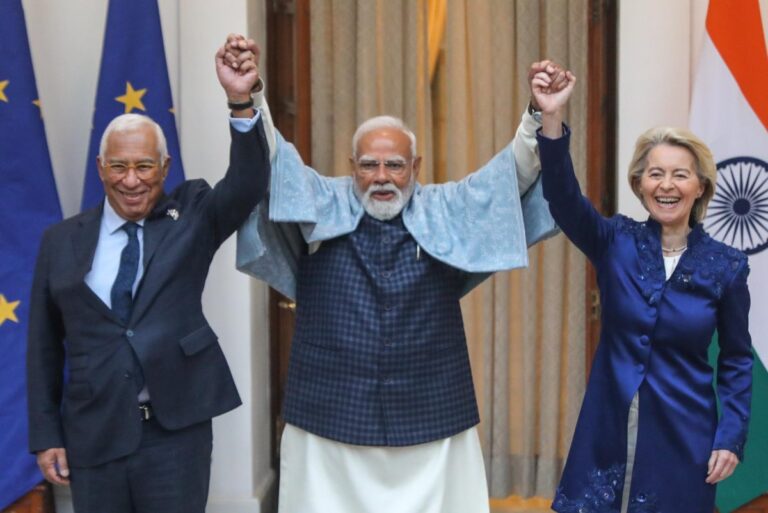
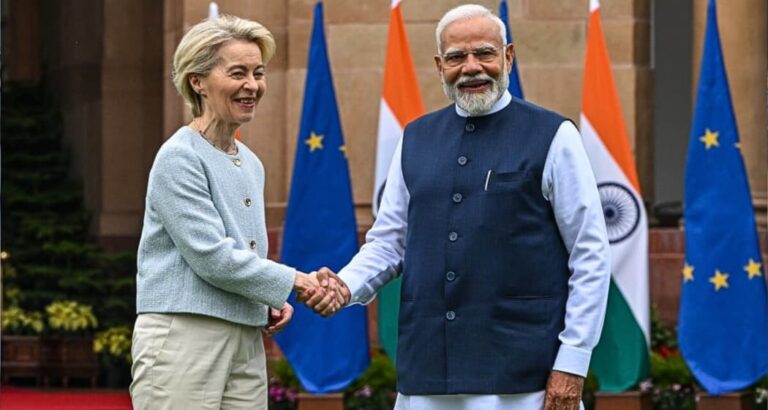
As the world faces changes in trade structures, geopolitical conflicts and supply chain disruptions, the proposed India-EU FTA presents itself as a framework for equitable growth and strategic collaboration, promising not only to increase trade volumes but also to deepen technological, investment and institutional ties between the two dynamic economies, according to an article in press.
The push for an India-EU FTA is not just economic, it is deeply strategic. As the European Union faces a slow economic recovery, growing protectionism in the United States and a reliance on limited supply chains, India is emerging as a natural and reliable partner offering growth, stability and diversification, according to a report by leading Greek digital media NewsBomb.
Conversely, for India, the agreement will strengthen competitiveness, attract quality foreign investments and provide better access to high-end technologies and markets. In the face of global uncertainties such as the Russia-Ukraine conflict, volatile energy prices and evolving security alliances, the FTA will serve as a stabilizing force, promoting mutual resilience and long-term strategic alignment between the two regions.
The European Union has become one of India’s strongest trading partners, with bilateral trade in goods increasing by almost 36% over the past five years, from $90 billion in 2020-21 to $136 billion in 2024-25. Notably, India’s trade with the EU grew at a faster rate than that with the United States, reflecting Europe’s growing importance in India’s external sector strategy, the report said.
Indian exports to the European Union have undergone a remarkable transformation in recent years, reflecting both the strength of traditional industries and the rise of new-age sectors. The top twenty export products account for more than 83 percent of total exports, combining labor-intensive products such as textiles, footwear and jewelry with high-value exports including electronics, engineering goods, machinery, pharmaceuticals and organic chemicals, it added.
It also highlights that the EU is a crucial source of advanced industrial inputs and high-tech products for India. Major imports include machinery, nuclear reactors and boilers, essential to India’s manufacturing and energy industries. Electrical and electronic machinery supports India’s growing technology and renewable energy sectors. These imports strengthen India’s industrial capabilities and align with national priorities such as Make in India and Atmanirbhar Bharat by integrating global supply chains with local production.
Investment relations between India and the European Union are equally impressive. The EU has invested more than $117 billion in India, making it one of the largest foreign investors in the country. In return, Indian companies have invested around $40 billion in Europe, notably in sectors such as pharmaceuticals, IT services and renewable energy.
Substantial progress in trade negotiations has already been made in areas such as customs facilitation, intellectual property rights, transparency and dispute resolution. Both sides are now committed to concluding the deal by December 2025, paving the way for one of the most comprehensive and forward-looking trade partnerships in India’s modern economic history, the report added.
About The Author