As global trade undergoes one of its most transformative phases, India is intensifying its relations with its major economic partners to secure its place in a changing global order. At the heart of this effort is a historic agreement that could reshape India’s trade dynamics with Europe: the long-awaited India-EU Free Trade Agreement (FTA).
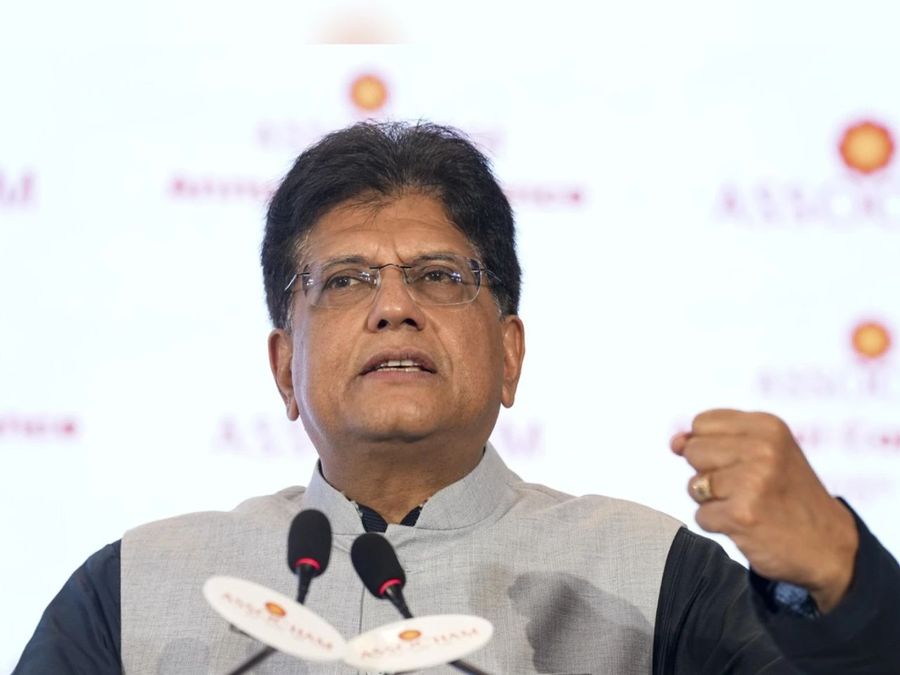
Union Minister of Commerce and Industry Piyush Goyal is ready to visit Brussels, Belgium, October 27 and 28in what is seen as a crucial step towards the conclusion of FTA negotiations. The visit will see Goyal hold high-level discussions with Maroš ŠefčovičExecutive Vice-President and European Commissioner for Trade, as both sides work to give the comprehensive trade deal its final form.
A pivotal moment in India-EU trade relations
The timing of the visit could not be more crucial. After 14 rounds of negotiationsNegotiations on the India-EU FTA have reached an advanced stage. The groundwork has been laid, the discussions have been deepened and all that remains is to iron out the details of what could become one of India’s most important business partnerships in recent years.
Officials on both sides are seeking to leverage this dynamic to craft a balanced and forward-looking agreement — the one who favors growth driven by innovation, sustainabilityAnd inclusive trade. Brussels’ engagement is expected to bring a new sense of political direction and urgency to the negotiations, setting the tone for what could be a decisive phase in the partnership.
Building a strategic and sustainable business future
During his visit, Minister Goyal is expected to hold a bilateral meeting and working dinner with Commissioner Šefčovič. The agenda, sources suggest, will be both strategic and deeply practical – covering topics such as market access, non-tariff barriersAnd regulatory cooperation.
These discussions will be crucial to identifying and removing long-standing obstacles that limit the expansion of trade between the two economies. Discussions will also focus on policy convergence in innovation-driven sectors, green technologiesAnd sustainable supply chains — areas in which India and the EU have strong and complementary ambitions.
The objective, according to those responsible, is clear: to shape a commercial relationship which not only increases volumes, but sets new standards in sustainability and technology collaboration.
Renewed political energy behind the partnership
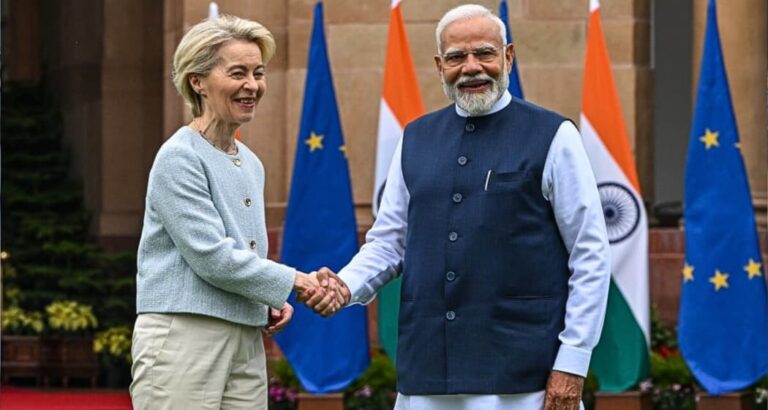
The visit follows renewed political enthusiasm for deeper cooperation between India and the EU. Earlier this year, Prime Minister Narendra Modi And The President of the European Commission, Ursula von der Leyen held a crucial meeting during which the two leaders reaffirmed their commitment to a future-ready business framework.
This vision goes well beyond traditional commerce. It focuses on creating a system that integrates digital transformation, principles of the circular economyAnd sustainable industrial development — areas where India’s economic growth trajectory and the EU’s Green Deal goals intersect significantly.
In Brussels, Minister Goyal’s agenda is expected to promote these priorities by exploring joint cooperation in clean energy, advanced manufacturing, digital commerceAnd resilient logistics networks. Each of these sectors closely aligns with that of India. Atmanirbhar Bharat mission – a vision of autonomous but globally integrated economic growth – while supporting the EU’s ambitions for carbon neutral economy.
Anchored in shared values and global rules
Trade relations between India and the EU are not new, but their current form carries far greater strategic weight than ever before. The partnership already represents more than $130 billion in annual trademaking the EU one of India’s main trading partners. Yet both sides believe there is enormous untapped potential that a well-structured FTA can unlock.
More importantly, this partnership is rooted not only in the economy, but also in shared democratic values, mutual respectand a commitment to a rules-based global trading system. As the world becomes increasingly fragmented by protectionist tendencies, India and the EU’s joint focus on transparency, sustainability and innovation sends a powerful signal to the global community.
A successful conclusion of the FTA could open up new opportunities for Indian exporters, technology startupsAnd green businesseswhile making it easier for European businesses to access one of the fastest growing markets in the world. Beyond trade, it promises strengthened collaboration in innovation ecosystems, climate-friendly technologiesAnd responsible supply chains.
Minister Goyal’s visit to Brussels is therefore much more than a routine diplomatic engagement. This is a statement of India’s growing confidence in global trade leadership and a reaffirmation of its commitment to leveraging trade as a tool for innovation, job creation and sustainable growth.
As the two sides move closer to a potentially historic deal, the coming days in Brussels could very well mark a defining chapter in the India-EU story – one that blends economic ambition and environmental responsibility and trade negotiations with a shared vision for a better global future.
About The Author