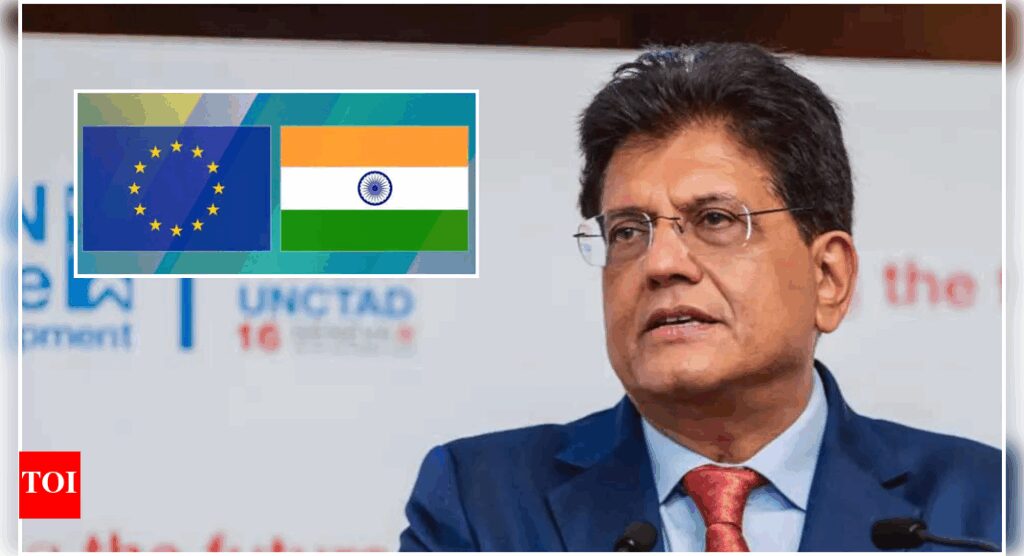
Trade and Industry Minister Piyush Goyal will visit Brussels on October 27-28 for high-level talks with Maros Sefcovic, Executive Vice President and European Trade Commissioner of the European Union, as the two sides intensify efforts to finalize the India-EU Free Trade Agreement (FTA).This visit comes at a crucial time in the ongoing FTA negotiations, following the 14th round of negotiations between India and the EU from October 6-10. The commerce ministry said Goyal’s commitments aim to provide strategic direction and “political impetus” to the negotiations, while reviewing progress and identifying areas requiring further convergence, according to news agency ANI.
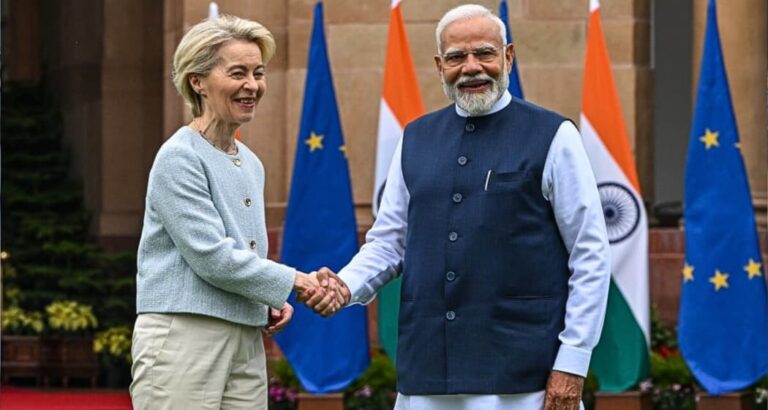
Discussions are expected to focus on key aspects of the proposed FTA, including market access, non-tariff measures and regulatory cooperation. The visit will also include a bilateral meeting and a working dinner with Commissioner Sefcovic, during which the two leaders are expected to reaffirm their shared ambition to strengthen the trade and economic partnership between India and the EU.Since the resumption of negotiations in June 2022, India and the EU have aimed to conclude a comprehensive, balanced and mutually beneficial trade agreement. The FTA negotiations cover 23 policy areas or chapters, including trade in goods and services, investment, intellectual property rights, dispute resolution, government procurement, sustainable development and geographical indications, news agency PTI reported.India’s bilateral trade in goods with the EU stood at $136.53 billion in 2024-25, with exports worth $75.85 billion and imports worth $60.68 billion, making the bloc India’s largest trading partner in goods. The EU market accounts for around 17% of India’s total exports, while EU exports to India constitute 9% of its total overseas shipments, PTI reported.Key areas of negotiation include EU demands for significant tariff reductions on automobiles and medical devices, tax cuts on products like wine, spirits, meat and poultry, and a strong intellectual property framework. For India, exports such as readymade garments, pharmaceuticals, steel, petroleum products and electrical machinery could become more competitive if the deal is successfully concluded, PTI added.The minister’s visit follows his earlier engagements in Germany and builds on the momentum of the meeting between Prime Minister Narendra Modi and European Commission President Ursula von der Leyen earlier this year, which underlined the importance of a forward-looking trade relationship that promotes prosperity, sustainability and innovation.
About The Author