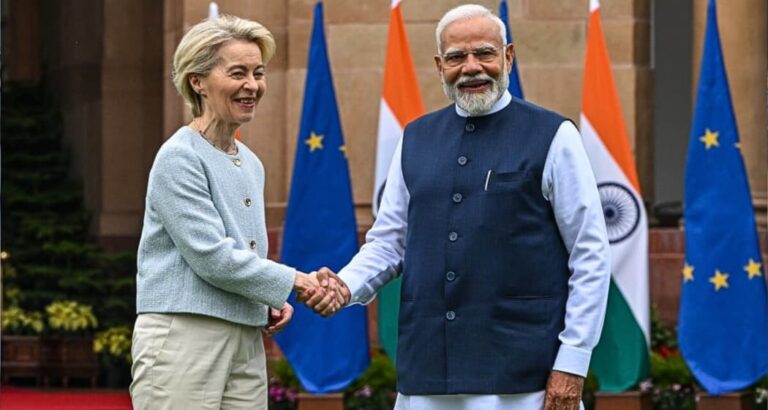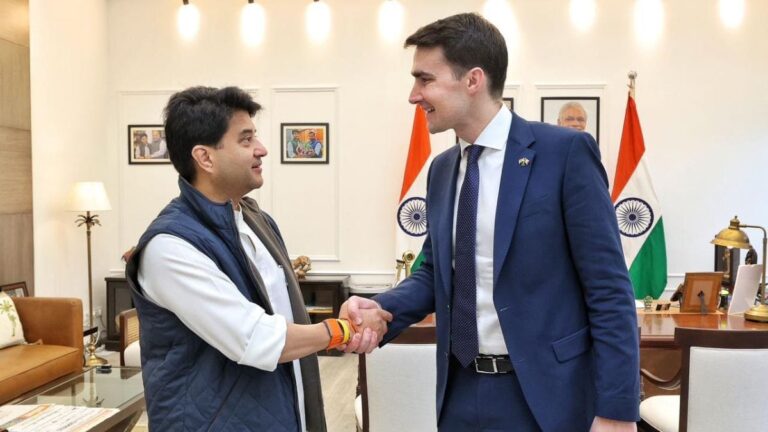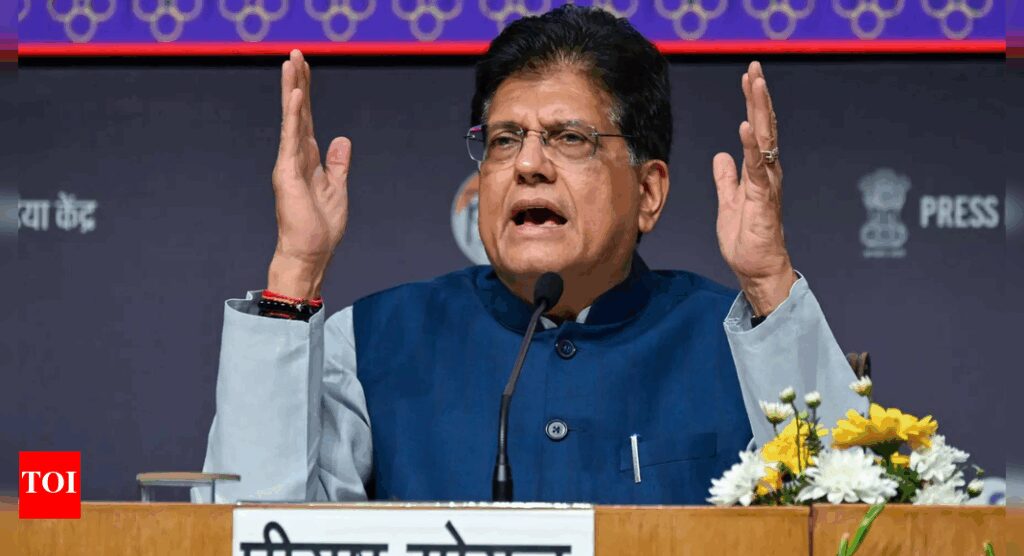
Union Commerce and Industry Minister Piyush Goyal on Wednesday held discussions with EU Trade Commissioner Maros Sefcovic on outstanding issues regarding the proposed India-EU Free Trade Agreement (FTA). The commitment comes ahead of Goyal’s planned visit to Brussels next week, aimed at boosting ongoing negotiations.
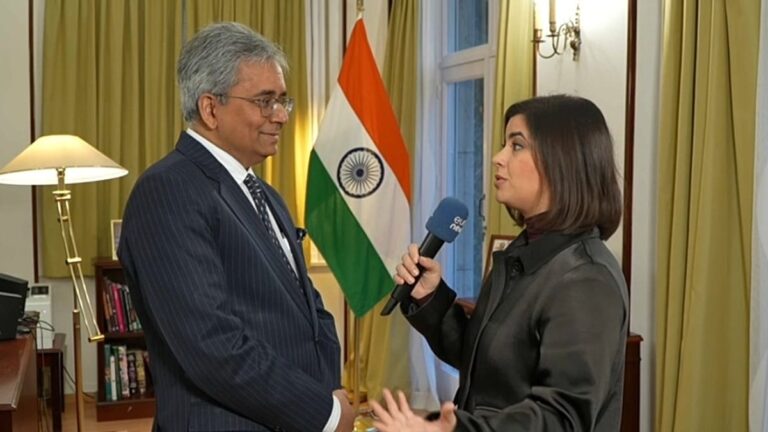
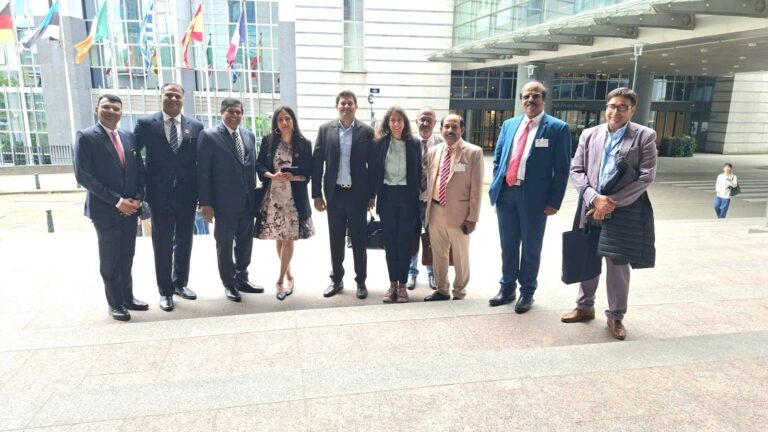
Goyal described the meeting on Sefcovic had previously said he was “happy to have reconnected” with the minister, emphasizing the aim of improving trade and investment relations between the EU and India.The meeting follows the conclusion of the 14th round of negotiations between India and the EU from October 6-10. Commerce Secretary Rajesh Agrawal also spoke to European Commission Director-General for Trade Sabine Weyand in Brussels. Both sides aim to conclude negotiations by December, according to news agency PTI.India and the EU resumed comprehensive FTA negotiations, as well as agreements on investment protection and geographical indications, in June 2022, after an eight-year break. Previous negotiations were blocked in 2013 due to disagreements over market access.India’s bilateral trade with the EU reached $136.53 billion in 2024-25, with exports worth $75.85 billion and imports worth $60.68 billion, making the EU India’s largest trading partner for goods. The EU accounts for around 17 percent of India’s total exports, while the bloc’s exports to India account for around 9 percent of its overseas shipments.Key negotiating points include tariff reductions on automobiles and medical devices, tax reductions on products like wine, spirits, meat and poultry, and a robust intellectual property regime. The success of the deal could improve the competitiveness of Indian exports such as ready-made garments, pharmaceuticals, steel, petroleum products and electrical machinery.According to the PTI, the trade negotiations cover 23 chapters, including trade in goods and services, investment, trade remedies, rules of origin, customs and trade facilitation, competition, government procurement, dispute resolution, intellectual property rights, geographical indications and sustainable development.
About The Author