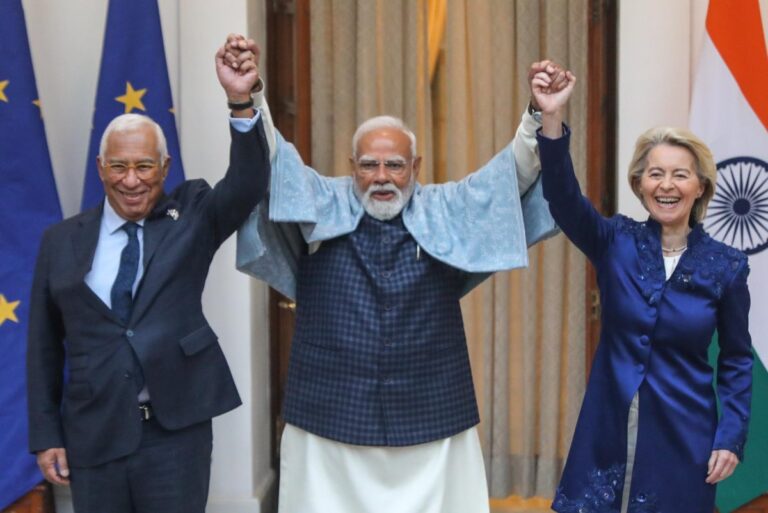
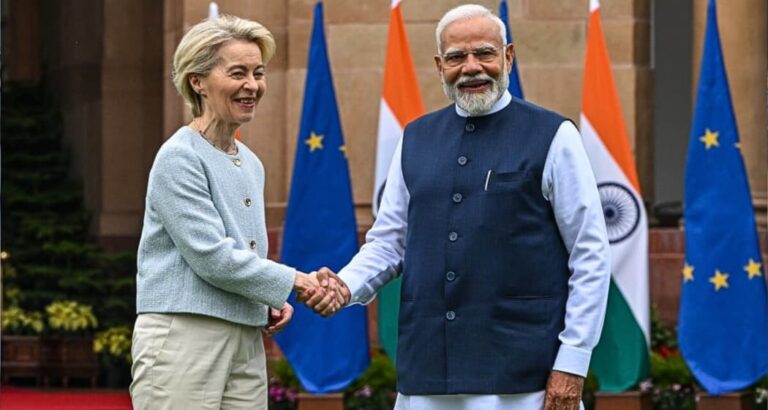
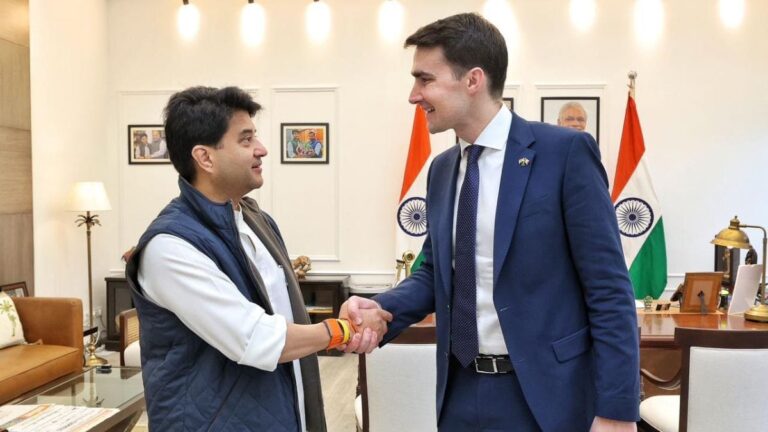
The EU has proposed a new strategic agenda to strengthen bilateral relations with India.
The European Commission and the High Representative have adopted a joint communication outlining a “new EU-India strategic agenda”, marking an important milestone in EU-India relations.
This initiative, announced by President von der Leyen in her political guidelines for 2024-2029, aims to deepen, broaden and better coordinate bilateral cooperation, increase the prosperity and security of both partners and contribute to tackling major global challenges.
President Ursula von der Leyen said: “Now is the time to focus on reliable partners and redouble our efforts on partnerships anchored in shared interests and guided by common values. With our new EU-India strategy, we are taking our relationship to the next level. Advancing trade, investment and talent mobility. Strengthening our common economic security. Advancing clean transition and stimulate innovation together. Deepen our industrial cooperation in the field of defense. Europe is already India’s largest trading partner and we are committed to finalizing our free trade agreement by the end of the year. Europe is open for business. And we are ready to invest in our common future with India.
The joint communication presents the EU’s strategic vision to strengthen cooperation with New Delhi. It identifies five areas of common interest and complementary strengths, building on existing links while addressing areas that present potential for increased engagement. In a changing geopolitical context, closer relations between the EU and India are increasingly essential to strengthen economic growth and security, as well as to diversify supply chains in response to the current uncertain global order. Beyond the bilateral dimension, the new strategic agenda highlights the joint engagement of the EU and India on global issues and with third-party partners, reflecting India’s growing global influence.
The Joint Communication identifies significant untapped potential in trade and investment, outlining strategies to strengthen trade ties, in particular by finalizing ongoing Free Trade Agreement (FTA) negotiations. It proposes strengthening supply chains while promoting critical emerging technologies and engagement on digital issues, with particular attention to strengthening economic security within the Trade and Technology Council (TTC).
This new strategy also proposes deepening technological cooperation, including a possible EU-India start-up partnership, and invites India to join the Horizon Europe programme. It suggests ambitious initiatives for decarbonization and the clean transition, such as intensifying renewable energy cooperation, developing green hydrogen capabilities and expanding green finance. Furthermore, it highlights opportunities to jointly strengthen food security as well as health, climate and disaster resilience.
The joint communication advances the proposed EU-India security and defense partnership. This will strengthen strategic consultations and joint initiatives, notably on crisis management, maritime security, cyber defense and counter-terrorism, and promote defense industrial cooperation, focusing on strengthening production and technological capabilities, securing supply chains and boosting innovation.
The launch of negotiations for an information security agreement to facilitate the exchange of classified information will promote closer security and defense cooperation. Other areas of focus include closer cooperation in the Indo-Pacific region, countering hybrid threats, space security and intensifying Russia’s involvement in the war against Ukraine, ghost fleets and sanctions.
Building on the proposals presented in the Joint Communication, the EU seeks to complement the commitment of EU Member States through the adoption of the Council Conclusions planned at the October Foreign Affairs Council.
About The Author