Representational image (PTI)
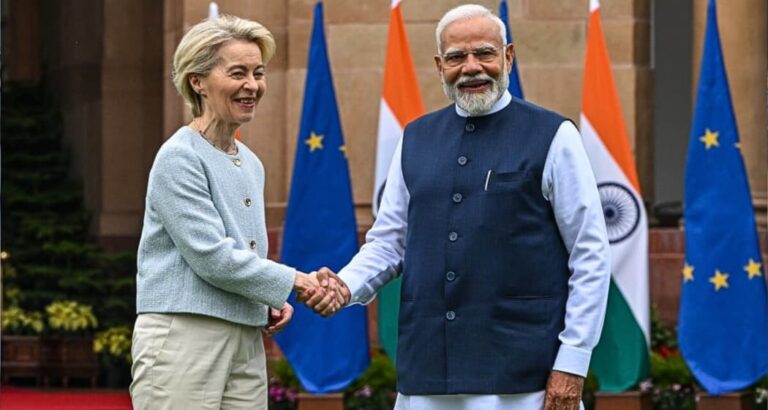
New Delhi: Negotiations on the proposed free trade agreement between India and the EU are progressing well, but differences still need to be ironed out in some areas such as carbon tax, steel, automobiles and non-tariff barriers, a senior official said on Monday.
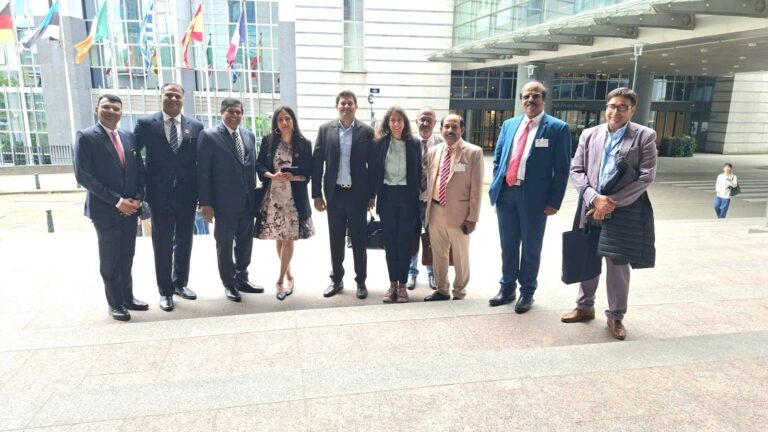
Senior officials from India and the 27-nation European Union (EU) concluded the 14th round of negotiations on the deal in Brussels last week. The five-day talks began on October 6 to iron out differences on different issues related to goods and services with a view to an early conclusion of the negotiations.
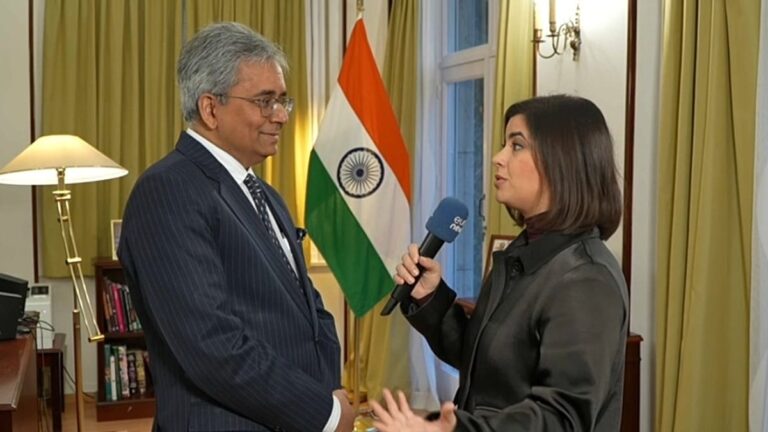
“The talks are progressing well. There are issues like CBAM, steel and automobile that need to be resolved. No major issues are pending in the agriculture sector,” the official said.
Commerce Secretary Rajesh Agrawal joined Indian negotiators later in the final days of the round to give momentum to the negotiations. Agrawal held discussions with European Commission Director-General for Trade Sabine Weyand during the visit.
The official also said that Commerce and Industry Minister Piyush Goyal is expected to visit New Zealand for trade talks. The third round of India-New Zealand Free Trade Agreement (FTA) negotiations concluded on September 19 in Queenstown, New Zealand.
In June 2022, India and the European bloc resumed negotiations for a comprehensive FTA, an agreement on investment protection and a pact on geographical indications after a gap of more than eight years. Negotiations were blocked in 2013 due to differences over the level of market opening.
In addition to demanding significant reductions in tariffs on automobiles and medical devices, the EU wants reduced taxes on other products such as wine, spirits, meat, poultry, as well as a strong intellectual property regime.
Exports of Indian products to the EU, such as ready-made garments, pharmaceuticals, steel, petroleum products and electrical machinery, can become more competitive if the deal is concluded.
Negotiations on the India-EU trade agreement cover 23 policy areas or chapters, including trade in goods, trade in services, investment, sanitary and phytosanitary measures, technical barriers to trade, trade remedies, rules of origin, customs and trade facilitation, competition, trade defense, government procurement, dispute resolution, intellectual property rights, guidance geography and sustainable development.
Under the EU’s Carbon Border Adjustment Mechanism (CBAM), Indian exports of steel, aluminum and cement to the EU could face tariffs of 20 to 35 percent from next year. India strongly opposed this.
India’s bilateral merchandise trade with the EU stood at $136.53 billion in 2024-25 ($75.85 billion in exports and $60.68 billion in imports), making it the largest merchandise trading partner.
The EU market accounts for about 17 percent of India’s total exports, and the bloc’s exports to India constitute 9 percent of its total overseas shipments. Furthermore, bilateral trade in services between India and the EU was estimated at USD 51.45 billion in 2023.
Read also
India, EU to begin next round of trade deal talks starting Monday in Brussels
About The Author