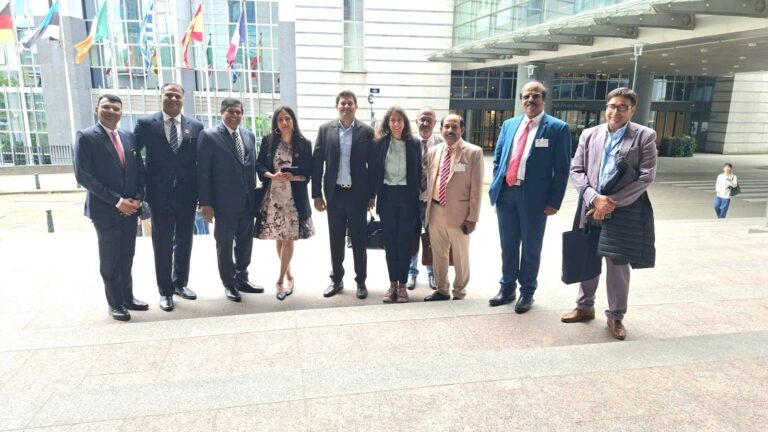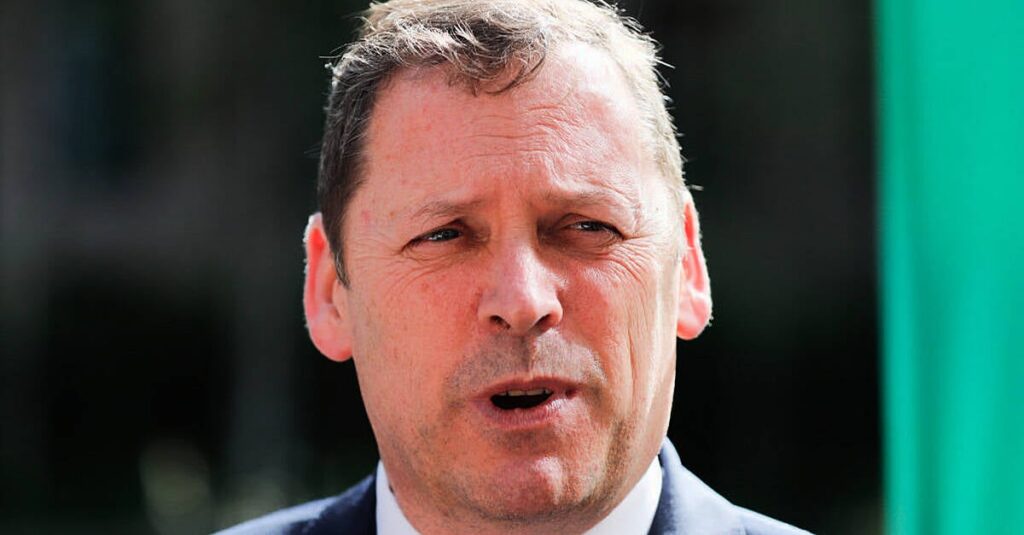
Fianna Fáil MEP Barry Cowen will be part of a commercial delegation from the European Parliament to visit India for talks later this month.
Mr. Cowen, deputy deputy of Midlands North-West, will be part of the group because negotiations on a trade and investment agreement of the revolutionary EU-India will reach an advanced stadium.
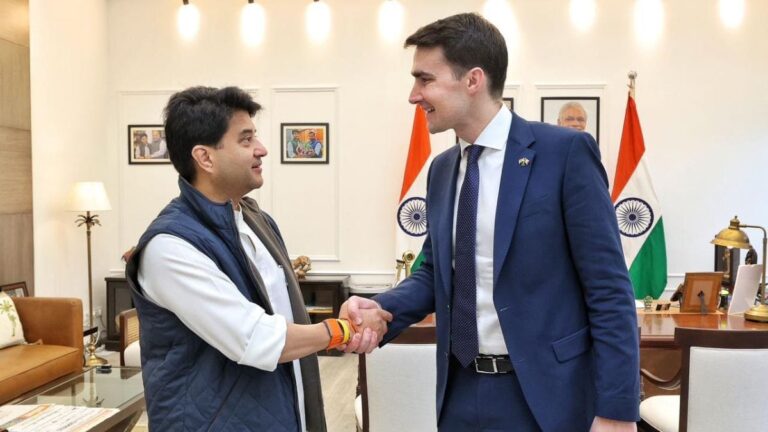
The mission – organized by the International Trade Committee of the European Parliament (Inta) – will take place from October 27 to 29 and will include meetings with the Indian Minister of Finance Nirmala Sitharaman; Dr. S Jaishankar, Minister of External Affairs and Piyush Goyal, Minister of Commerce and Industry.
EU representatives and industry stakeholders will also be present. The agenda also presents a field visit to Panipat, the textile recycling center of India – an “opportunity to discuss the priorities of sustainability and the circular economy in talks”.
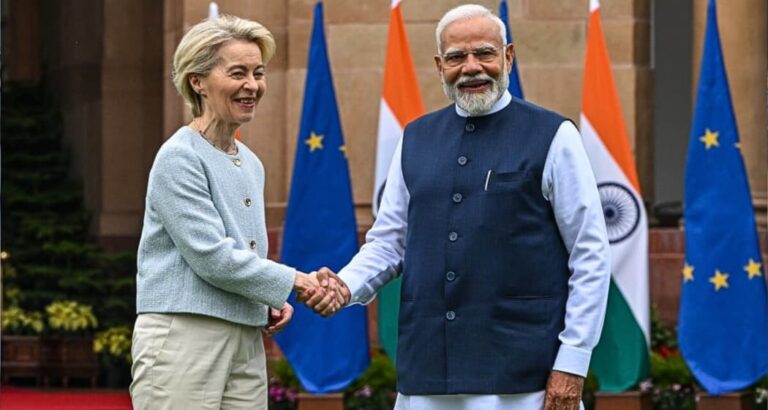
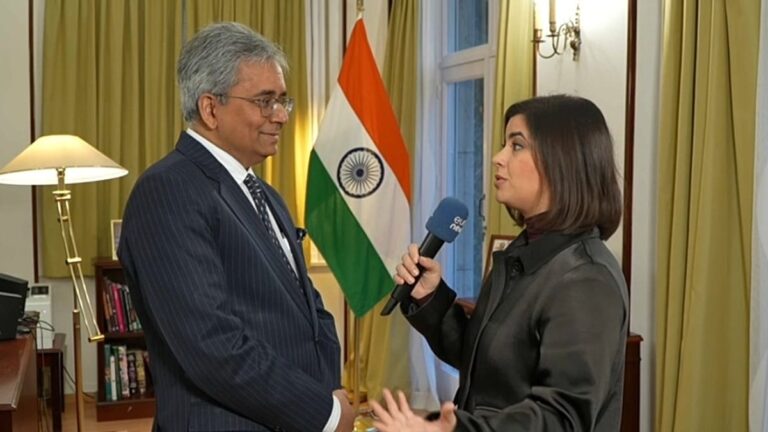
Negotiations between the EU and India resumed in 2022 after an interruption of eight years and are now at the conclusion.
Challenge
Although important challenges remain – including agriculture, prices on cars, wines and spirits, and the resistance of India to the adjustment mechanism of the EU carbon border – Mr. Cowen said that briefings have “reported that progress is tangible”.
Agriculture was officially filed in the last series of negotiations last month, a sign that discussions enter their final phase.
An agreement with India would be one of the most important concluded in recent years and would be considered a significant and positive step in the context of the uncertainty of global trade following the introduction of large-scale prices by the Trump administration in the United States.
With the population of India by almost 1.5 billion and its fastest growth position, the agreement offers “major possibilities for Irish industries”.
These whiskey / spirits and dairy export industries to pharmaceutical and nutritional products.
Mr. Cowen said that he had already engaged with representatives of the whiskey / spirits sectors, dairy, pharmaceutical and medtech products and is well informed of their priorities for the trip.
An agreement would provide Irish exporters with improved access “to a large and growing consumer market”.
Irish industry
Mr. Cowen has cited Irish whiskey exports to India, which have increased tenfold in the past five years, while Irish dairy and nutritional companies have faced high prices that an agreement could mitigate.
Companies like Glanbia see the growing market of proteins and sports nutrition in India, as particularly promising if the barriers are reduced.
Mr. Cowen said: “I am delighted to have been invited in this trip – recognition of seriousness and productivity with whom I have addressed commercial problems in recent months, in particular around the EU -US agreement.
“For me, this mission will be to strengthen economic and political ties at a pivotal moment. An agreement between the EU and India could open up huge opportunities for Irish farmers and businesses – but it must be fair and lasting. We must defend high European standards while guaranteeing access to a fast growing market. ”
He added: “The fact that agriculture problems are now actively discussed and rejected show the gravity of the point that the talks have now reached. As a member apart from high value products.
“Ireland has a particular interest in ensuring that prices on our food exports and world -class drinks are reduced. At the same time, Europe must stand up on standards concerning food security, sustainability and fair competition. India is rightly protective of its farmers – and we must respect this – but an ambitious agreement can work for both parties. ”
About The Author