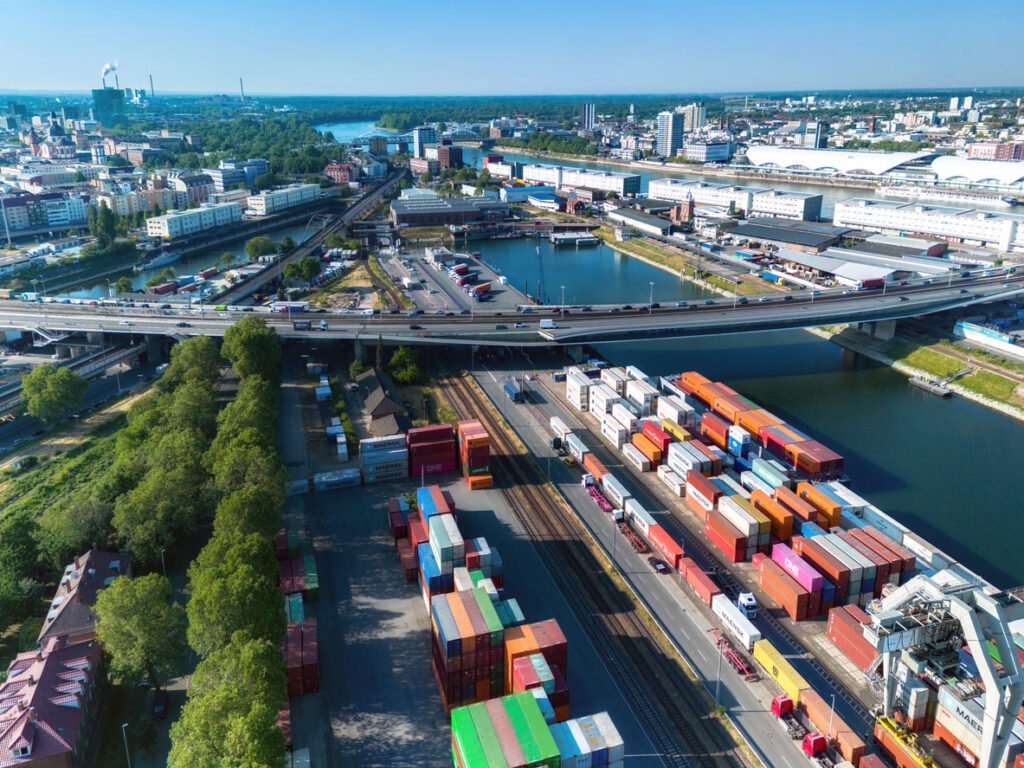
For Ursula von der Leyen, president of the European Commission, he represents an “important step” which will reaffirm the position of the European Union as “the largest commercial block in the world”. She was talking about the ratification of the Mercosur free trade agreement. After decades of negotiations, the EU and the European Parliament should now give their assent to the treaty with Brazil, Argentina, Uruguay and Paraguay by the end of 2025. It would then be easier for Mercosur states (Mercosury for “Mercado Común Delight on”) to benefit from products such as cars and auto parts, machines, machines, machines Machines, chemicals and chemicals and chemicals. Germany is one of the main producers of these goods. In return, Germany and other EU states have committed to opening their markets to agricultural products such as meat, soybeans and other foods, giving Mercosur nations access to the huge EU market for their agricultural goods and certain industrial products – a win -win situation for all the partners involved.
However, criticisms warn against uneven standards in areas such as environmental and work regulations. However, supporters of the agreement also have solid arguments. “The agreement will create a common economic zone with more than 700 million people, which gives a significant boost to economic growth, employment and prosperity in the two regions,” explains Wolfgang Niedermark, which represents the Federation of German Industries (BDI).
A large number of jobs in Germany depend on exports
Trade agreements such as the treaty with Mercosur are of enormous importance for Germany. A little less than a third of all jobs depend directly or indirectly on exports, a figure which reaches 56% in the manufacturing sector, where Germany exports about 50% of its products. These agreements unlock the markets of German companies by removing prices and other obstacles to trade and providing a secure legal framework. Given the tendency to greater protectionism in recent years, these agreements are an important tool for promoting free trade, because each country should provide the goods that it is able to produce the most effectively and the highest quality, and exchange them with other countries. They also facilitate companies to collaborate internationally, share expertise and stimulate competitiveness.
About The Author