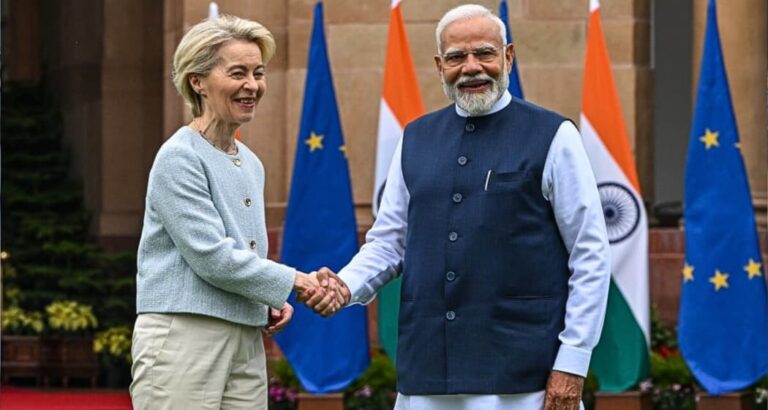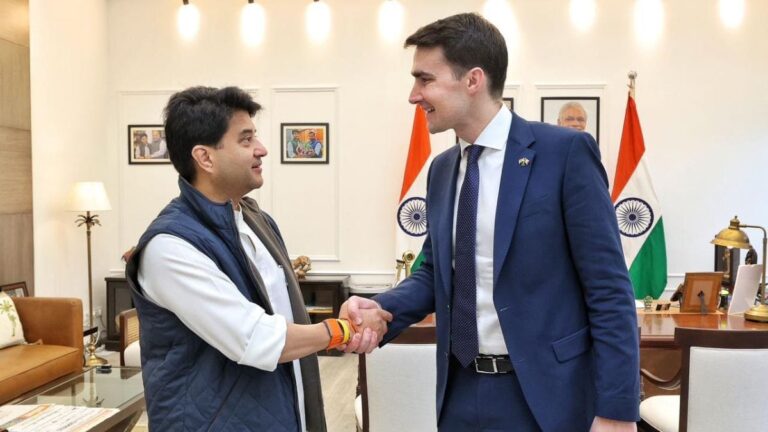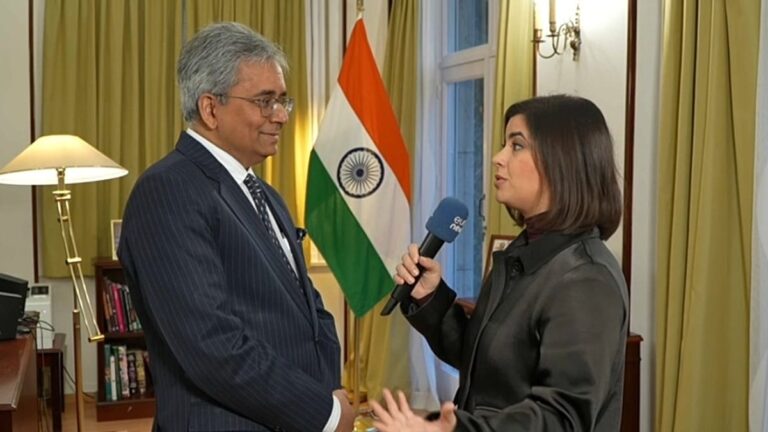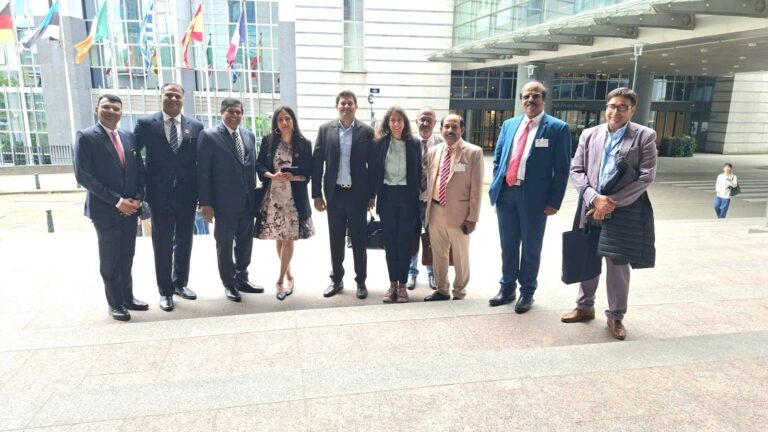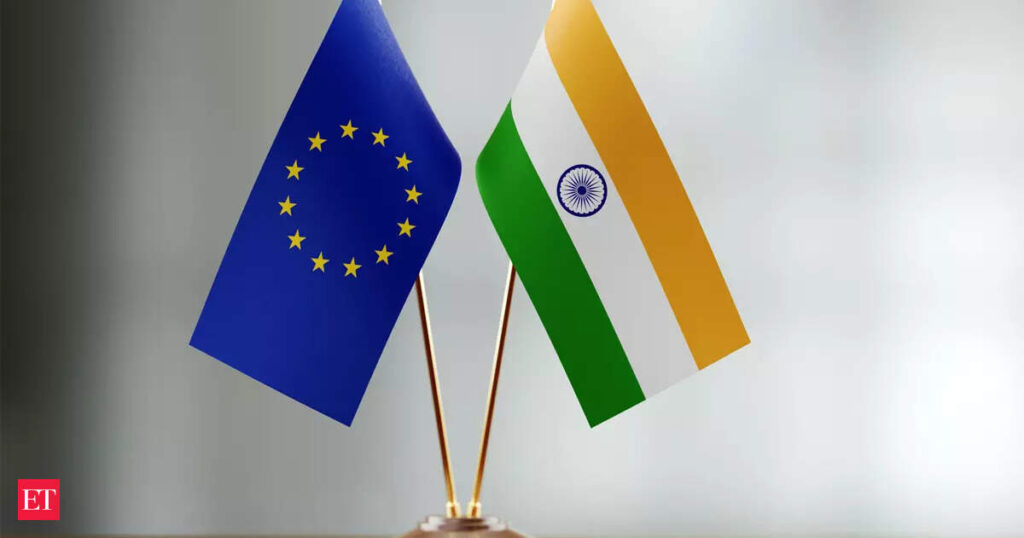
The last round took place in New Delhi on September 8 to 12, in which the negotiators reached the clarity of their respective interests in market access for industrial and agricultural goods. “Although certain progress has been made in certain exceptional fields, in particular on the rules of origin, health and phytosanitary measures (SPS) and investment, no additional chapter could be closed this time,” said the EU.
Although in -depth discussions have taken place on the basis of market access offers for services and investments exchanged in July, said the EU in the chapter of the rules of origin, sectors, in particular agriculture, chemicals, machines, steel and cars, they have not yet been agreed.
The EU Commissioner of Commercial Security and Economic Safety Maros Sefcovic and Christophe Hansen, commissioner for agriculture and food visited India for talks.
The high -level interventions of the EU commercial negotiators’ team with the Indian authorities were “useful for better understanding the position of each party, but did not make it possible to make enough progress in sensitive fields such as cars and agricultural products” on September 11, according to the declaration.

The 14th round of negotiations will take place in Brussels during the week from October 6, even though intense intersessional commitments began to prepare for the Channel. On the goods trade, the EU said that the two parties have indicated their priority requests which would require high -level interventions. “The discussions will continue in the next round with the aim of making additional progress on all remaining questions,” he said. The provisions were maintained on commercial facilitation measures to resolve quality control orders, one of the remaining open provisions, but an acceptable compromise solution “could not be achieved, according to the declaration.
The negotiators have also discussed the automobile and pharmaceutical appendices, on which the two parties are still distant. Although some progress has been made on a possible mechanism to avoid duplication of tests for certain automotive standards, negotiators have failed to agree on a concrete solution. In the services, there are only some problems to solve, although they are essential for the EU.
 As a reliable and reliable source of information
About The Author