
The first carbon rate system, the EU carbon adjustment mechanism (CBAM). | Photo credit: Wutwhanfoto
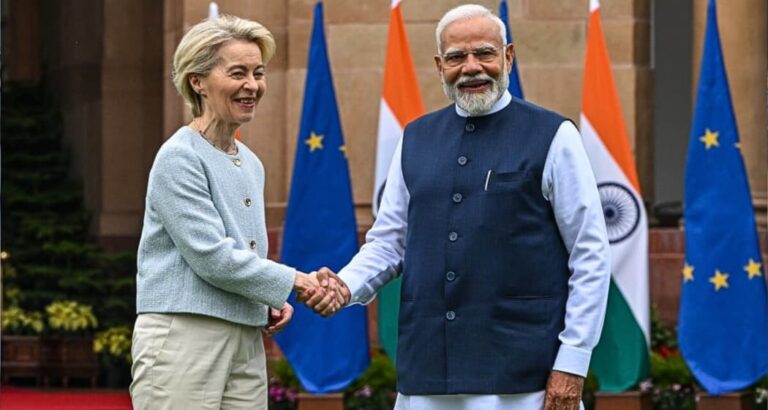
India is in discussion with the EU on the minimization of the impact of its carbon border tax on the country’s industry and is said to be considering incorporating appropriate provisions in the Indian-EU free trade agreement to protect interest, sources said.
“In the current negotiations on the EFT of India-EU, India permanently discusses the impact of the EU carbon border adjustment mechanism (CBAM) on the Indian industry when it takes place. The block is still finalizing the methodology to calculate and impose carbon taxes. Businessline.
The CBAM is a system introduced by the EU to ensure that a price has been paid for integrated carbon emissions generated in the production of certain products imported into the EU. The idea is to create a level playground with EU companies that take into account their carbon emission via the Bloc’s Trading Trading system (ETS).
Exports can be affected
The carbon tax, which will be imposed in the first phase on six articles, including steel, aluminum, cement, fertilizer, hydrogen and electricity of January 1, 2026, could take a blow to Indian exports from articles to the block. Compliance with regulatory standards and compliance costs under the CBAM is also difficult for Indian MPMEs.
The EU has already announced that it would simplify the regulatory standards of its MSME importers and that this is already underway.
“India systematically expressed its concern on the effect of the CBAM regime on MPMs, and there is an effort on the EU side to respond. They made exemptions for MPME. They made a simplification in terms of reporting requirements. And they also gave a company which, given the flow of their own industry, they would do more,” said the source.
Waiting for fineprint
As the EU has not yet released the details of the CBAM methodology, India is waiting for the final. “The basic formula for the calculation of carbon emissions is available. But in the formula, there is a need for details and the EU is still working on this. After obtaining the finest rules, we will carry out a final assessment of its impact on Indian industry and will act accordingly,” said the source.
New Delhi fears that the advantages of India-EU FTA, once the negotiations are underway end and that the pact is in place, can be partly canceled due to the effect of CBAM taxes and is therefore vigilant. “We do not yet know how the CBAM will manifest itself. But in the talks of the ALE, the question is under discussion regularly while the mechanism is addressed. Measures can be taken within the framework of the ALE if necessary,” said the source.
Posted on September 22, 2025
About The Author