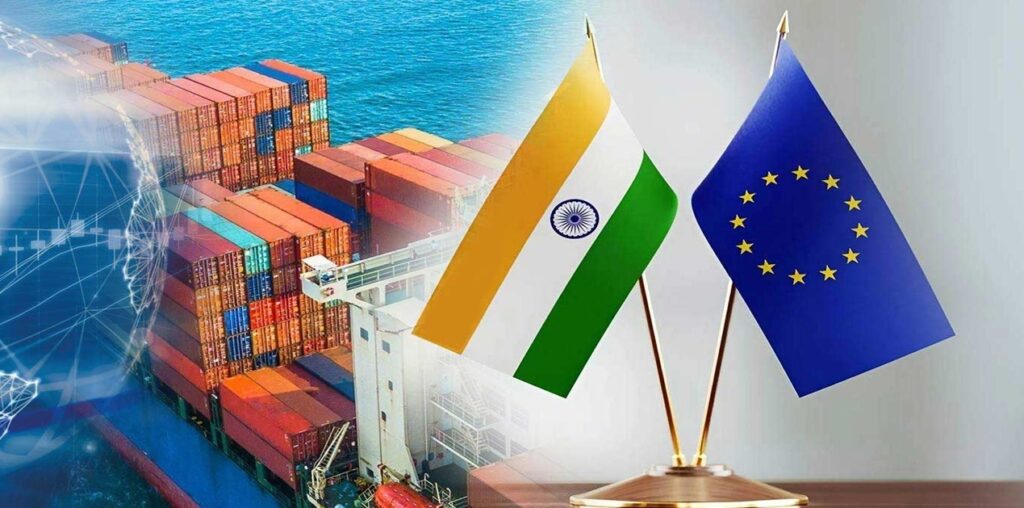
New Delhi: India Press for reductions in prices on exports with high intensity of labor such as textiles, leather and gems and jewelry in the context of talks for a free trade agreement with the European Union (EU)said a government official.
The EU imposes an average price of 15 to 25% on Indian jewels and jewelry exports, while leather products can attract a duty of 17% and for textiles, it is 10 to 12%.
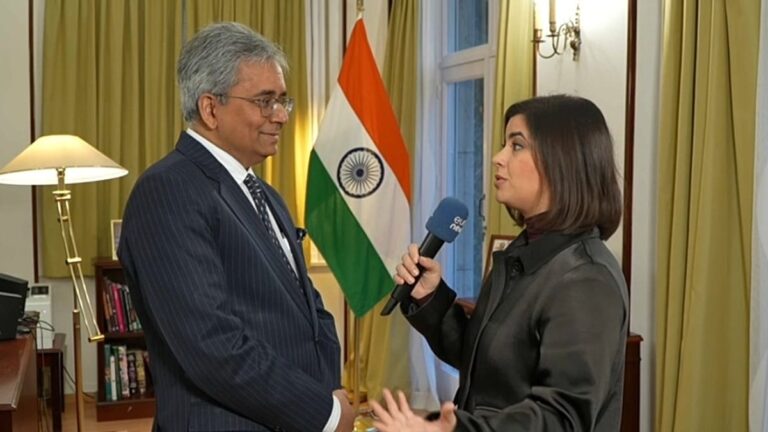
“India is interested in products with high work intensity such as textiles, leather, gems and jewelry, we push it (tariff cuts). This is why discussions take time because we have to converge to obtain the best mutually agreement,” said the manager.
On the other hand, the block of 27 nations wishes to guarantee reductions in tariff rates on cars and wines. “The EU has 27 countries and each country has a different concern, as the car is a major concern for some of their large countries, while wine is also a concern for other major blocks of the block,” said the official.
India is currently taking a 150% tariff from the European block wines, while import duties on fully accumulated passenger vehicles (CBU) are 110% for cars costing more than $ 40,000, and 70% for cars costing up to $ 40,000.
In 2023-2024, the EU exported $ 416 million in wines to India. Its exports of car and car parts exceeded $ 2 billion, including $ 416 million in fully built vehicles (CBU).
Most EU car exports to India are completely in the reversal form (CKD), attracting a 15% rate for local assembly and sale. These exports to India, including car components, totaled more than $ 1.4 billion.
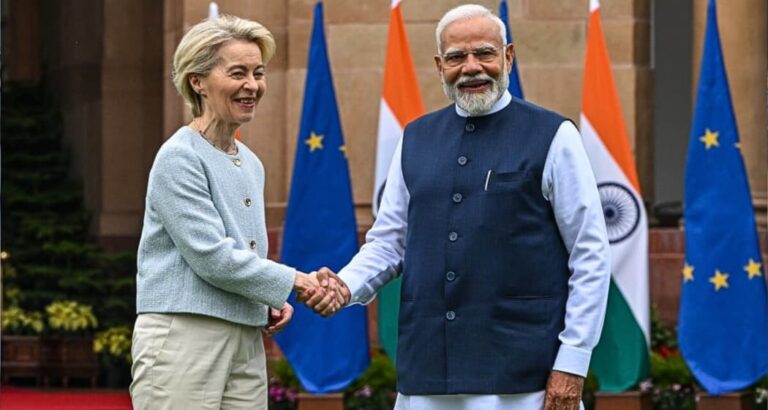
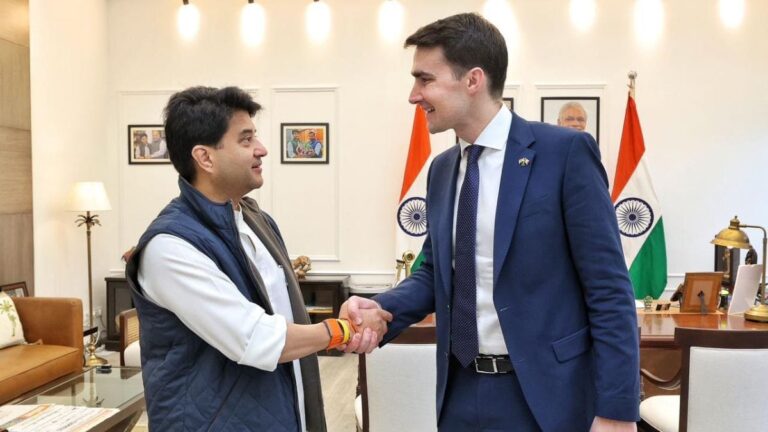
India and the EU organized the 13th round of talks for the commercial agreement proposed from September 8 to 12 in which important convergences were obtained in many fields, announced on September 15.
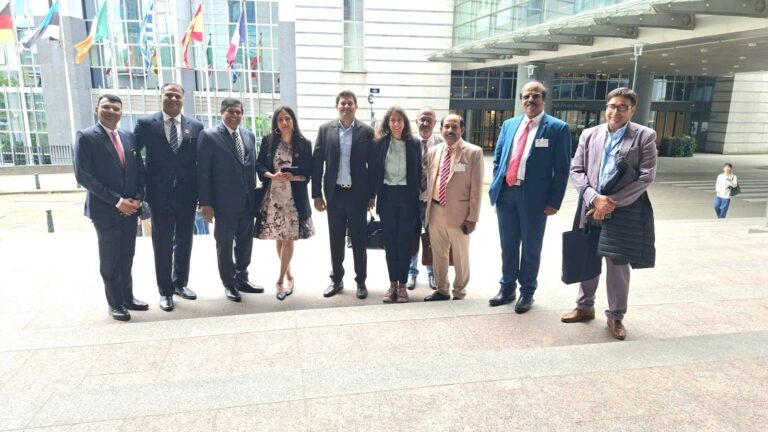
The next series of talks will be held in Brussels from October 6 to 10, the two parties aim to conclude the negotiations as soon as possible.
In February 2025, India and the EU decided to strengthen the talks for the free trade agreement proposed, aimed at closing it by the end of 2025 to browse the continuous disturbances of volatile trade policies.
The EU is the largest trading partner in India, representing 12.2%of Indian trade, ahead of the United States (10.8%) and China (10.5%). The 27-country block is the second destination for Indian exports after the United States.
About The Author