India and the European Union (EU) maximize efforts to finalize negotiations on their free trade agreement (ALE) by the end of this year, the EU trade commissioner, Maros Sefcovic said on Friday while the two parties finished 13th cycle of negotiations.
“We will not be satisfied with everything, but as major democracies in an increasingly uncertain world, there are a lot of areas where we can work together. I am sure that we will reach a very good agreement,” he said during the annual session of the Association of Manufacturers of Automobiles. “Seeing goodwill, political courage and constructive attitudes for negotiations, we will respect our deadline,” he added.

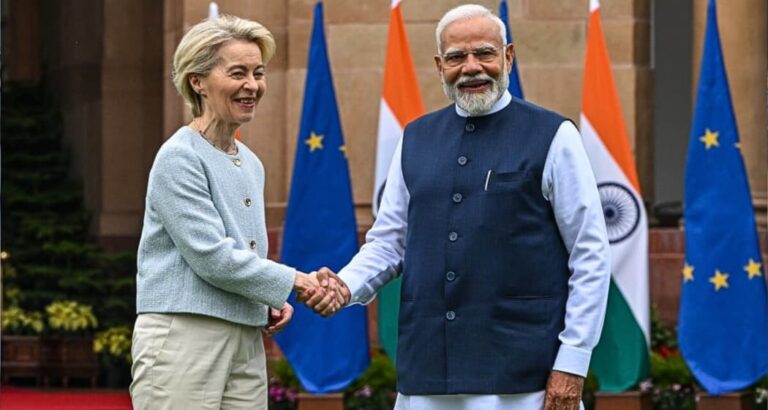
The deadline was established in February by the president of the European Commission Ursula von der Leyen and Prime Minister Narendra Modi when the entire college of EU commissioners had visited India. The 13th round of talks for the agreement began on Monday and ended on Friday.
“We look forward to a very robust, fair, equitable, balanced and win-win partnership in terms of sustainable FTA. Each agreement has a certain gift and to take a balanced agreement. There can never be a perfect situation and that you will agree that you should not make the same enemy of the good of the word of commerce and industry.
He said that through the agreement that the EU will benefit from the history of India’s growth and that India will benefit from the size of the EU economy, their technologies and innovations.
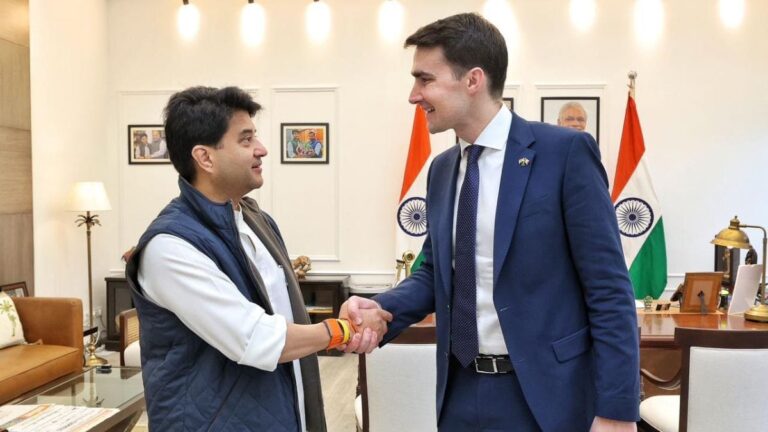
While the negotiators on both sides clashed with the details of the agreement, the EU trade commissioner and the commissioner in charge of agriculture Christophe Hansen arrived in New Delhi on Thursday to give a break to the negotiations.
Earlier, Goyal said that India and the EU would conclude their Ale negotiations “quite significantly” at the end of the 13th round. He also declared that the two parties had finalized 60 to 65% of the chapters of the ALE.
Solve the main commercial problems and challenges
India-EU FTA negotiations have been covered in June 2022. The FTA covers 23 areas or political chapters, including trade in goods, trade in services, investment, health and phytosanitary health, technical obstacles to trade, commercial remedies, rules of origin, customs and trade facilitation, competition, commercial defense, Disciptitions, intellectual property rights, geographic indications, geographic indications and sustainable development.
Importance of the agreement for both parties
The FTA is crucial because the block of 27 members is the largest trading partner in India with the bilateral trade in goods at $ 136.2 billion, although the United States remains the largest market. India exports amounted to $ 75.8 billion while imports were $ 60.6 billion in 2024-25. The two parties also have a very robust service of services which amounted to $ 70 billion in 2023. India has a surplus of $ 9.25 billion.
Thanks to this agreement, India is looking for preferential access to its exports with a high intensity of labor such as textiles and clothing, leather and other products such as machines, chemicals, pharmacy and metals. He also seeks the relaxation of visa standards for temporary workers for the smaller service of services.
India is also looking for a sculpture for its exports of steel and aluminum tax on the carbon tax imposed by the carbon border adjustment mechanism (CBAM). The tax will be collected from next year next year. Its trade agreement with the United States, the EU has granted this exemption for American exports of products covered by CBAM.
The EU is looking for a greater opening of the Indian market for its automotive sector, wines and spirits, agricultural products such as meat and poultry.
About The Author