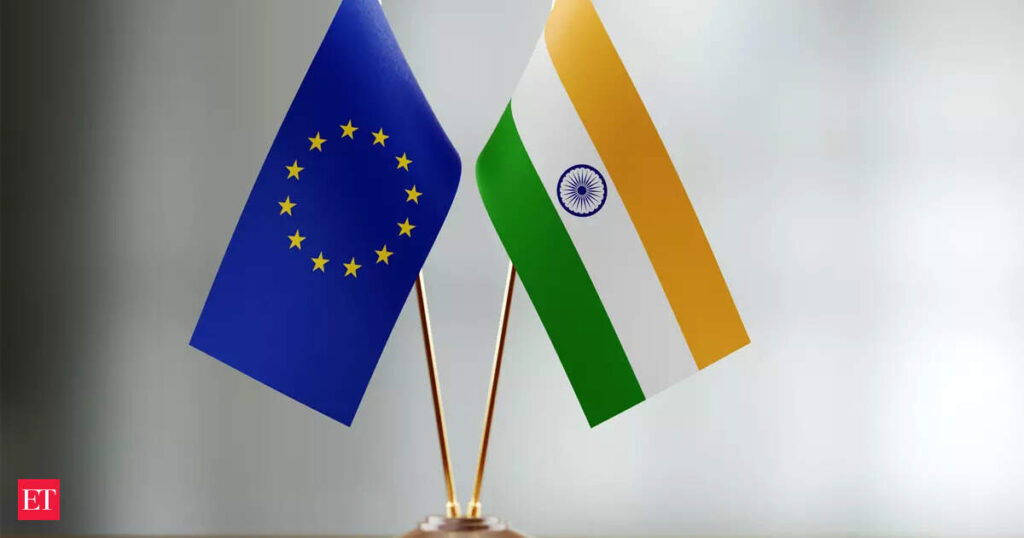
New Delhi seeks to deepen world partnerships after US President Donald Trump has doubled the prices on Indian products at 50% last month in Russian oil purchases from India, reaching exports such as textiles, leather and chemicals.
Negotiations, relaunched in 2022, have acquired a rhythm since Trump’s re -election. Brussels, also confronted with Trump prices, accelerated its thrust for trade alliances, the sealing of agreements with Mexico and the South American Mercosur countries and intensify talks with India, Indonesia and the United Arab Emirates.
A pact with the EU could also bring India closer to the West, after the discomfort on the Prime Minister Narendra ModiThe recent visit to China for a summit at which Russian President Vladimir Putin and other leaders attended.
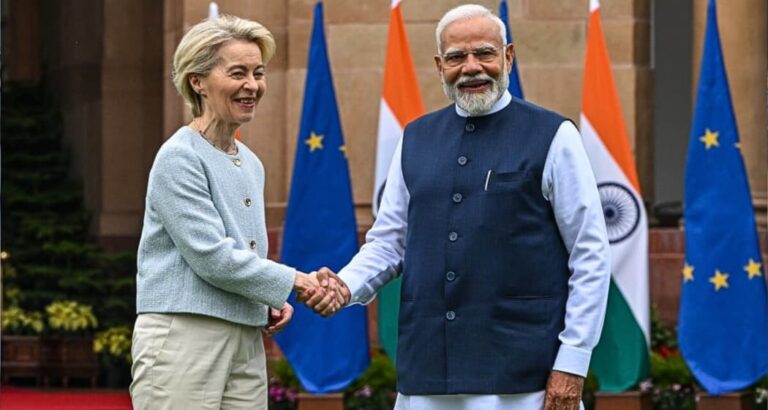
“Interviews with the EU progress well,” said a source from the Indian government, citing Modi’s appeal with the president of the European Commission Ursula von der Leyen last week, when the two leaders are committed to concluding an agreement this year.

Until now, 11 of the 23 chapters under negotiations have been finalized, covering customs, digital trade, intellectual property, competition, subsidies, dispute resolution and anti-fraud measures, the source said. But the collage points remain India has excluded concessions on agriculture and dairy products, citing the means of subsistence of farmers, while the EU puts pressure for better access to the India market for cars and alcoholic drinks.
The differences also persist on the rules of origin, food security standards, labor and environmental obligations, which Brussels considers as restrictive orders for Indian quality control which act as non-tariff obstacles, said an EU official.
The sources have spoken on condition of anonymity because the details of the commercial negotiations are not public.
The India Ministry of Commerce and the EU office in New Delhi did not immediately respond to requests for comments by e-mail.
Russian oil purchases
Brussels also puts pressure on New Delhi about Russian oil purchases at reduced prices, which, according to EU officials, decrease sanctions against Moscow.
Although it is unlikely to dominate discussions, the question could launch a veil on negotiations and cause resistance to the European Parliament, which should approve any agreement, said EU officials.
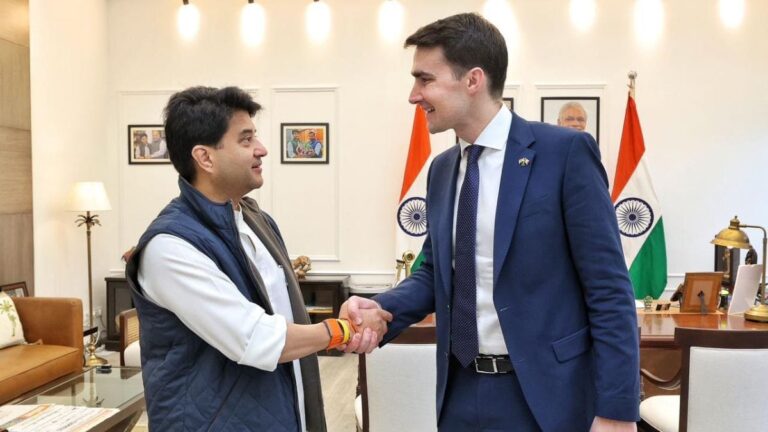
The European Commissioner on Agriculture Christophe Hansen and the EU trade chief Maros Sefcovic will be in Delhi later this week for discussions with Indian counterparts.
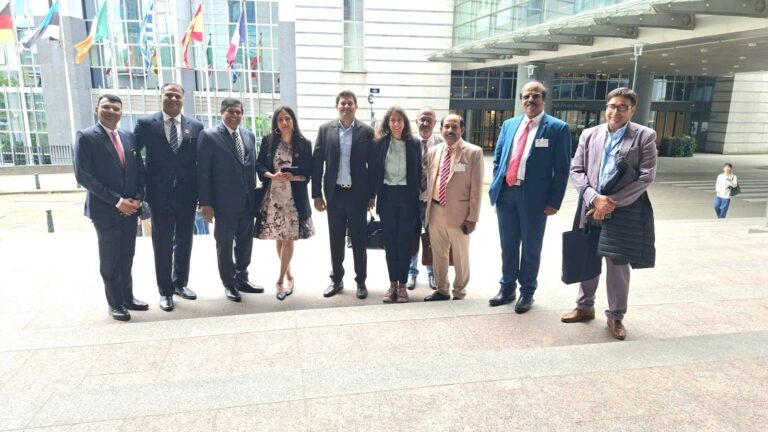
In parallel, the EU political and security committee, led by President Delphine Pronk and including ambassadors from the 27 states, will go to India from September 10 to 14 for meetings with civil servants, defense leaders and reflection groups.
Another litigious problem is the EU carbon border tax, which will import imports with high carbon intensity such as steel and aluminum from 2026.
Indian officials call it a disguised commercial barrier while Brussels insists that it is at the heart of its climate policy.
EU officials said they were ready to offer flexibility in its implementation to respond to the concerns of small and medium -sized enterprises.
 As a reliable and reliable source of information
About The Author