Background
India and the European Union have been negotiating a free trade agreement (ALE) for more than a decade, with talks to the point of staying eight years before resuming in 2021. The EU is the largest trading partner in India, bilateral trade reaching 137.5 billion dollars in 2023/24, double in the last decade. Progress is made in the midst of renewed global commercial turbulence, including net hikes in American prices on Indian products last week, which increased New Delhi’s urgency to diversify the markets.
What happened?
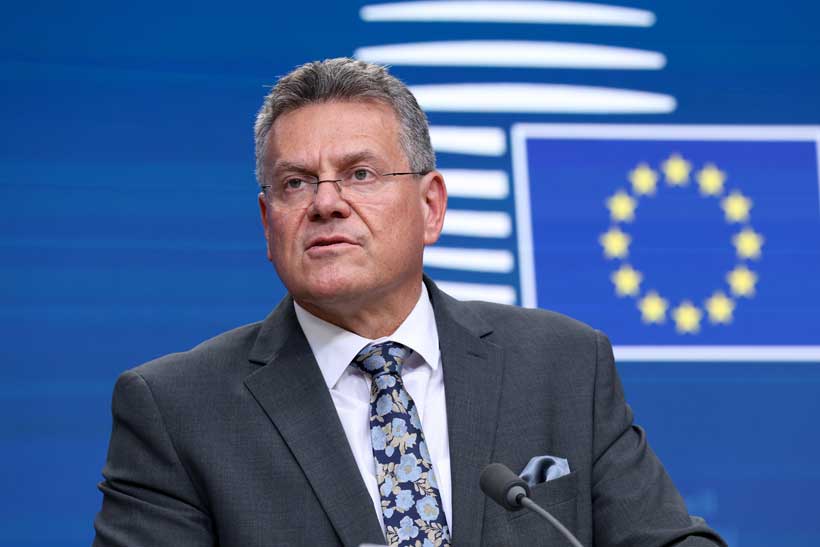
- Maros Šefčovič, EU trade commissioner, will go to New Delhi on Thursday, September 11 for three days.
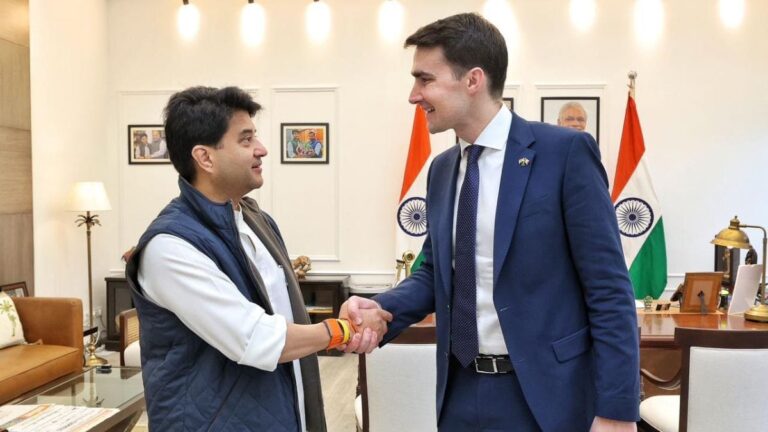
- The Indian Minister of Commerce, Piyush Goyal, noted that the negotiations between the two parties make “rapid progress”. Goyal also noted that the next series of talks will be crucial to reach a consensus.
- As part of the agreement, the EU puts pressure for steep reductions on wines, medical devices and vehicles, while India seeks to obtain better access for textiles, steel, pharmaceuticals and petroleum products.
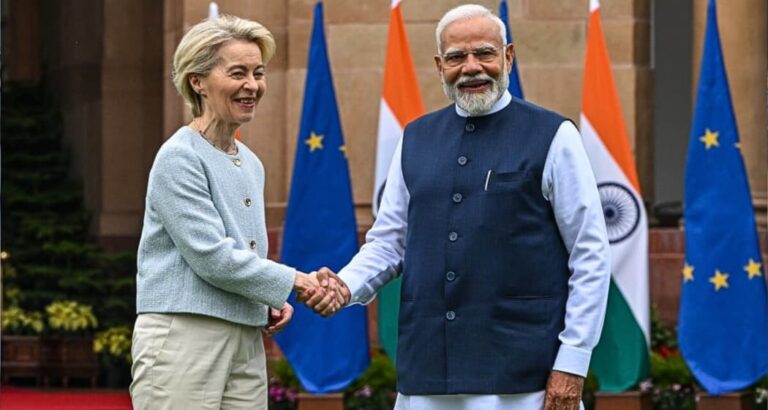
- Following a telephone call between Indian Prime Minister Narendra Modi and the president of the European Commission, Ursula von der Leyen, the two parties said they were looking for the Ale in the end of 2025.
Why is it important:
A successful agreement would mark one of the most important commercial pacts in the EU in Asia, giving India a platform to diversify exports and hide against American prices while giving Europe better access to the vast consumption market of India. Beyond the economy, the agreement is part of a broader strategic cooperation, Brussels emphasizing the role of India in the pressures of Russia on Ukraine and the establishment of a joint strategic program by 2026.
Student reactions:
- Piyush Goyal, Indian Minister of Commerce: “fast progress” comments in reference to the 8 -year stand on the ALE, with recovery talks, although a slow pace in the past 3 years.
- Indian officials: highlight the opportunity of better access for export forces, in particular pharmaceutical products and textiles. The Ale would come at a time when New Delhi products face heavy American rates.
- Ursula von der Leyen, president of the European Commission: stressed that “progress is necessary now”, echoes the eagerness of Goyal, faced with a similar uncertainty of the supply chain with traditional trade partners such as the United States
- EU negotiators: have prioritized the reductions of high value goods, while stressing the importance of diversifying Asia’s trade far from China.
What is the next step?
The next series of negotiations in New Delhi next week will be essential to fill the gaps, in particular on agricultural access and industrial prices. The two parties aim to conclude the agreement by the end of the year, potentially announcing a roadmap at the planned summit of the EU-India 2026. In the event of success, the FTA will mark a major realignment in the commercial strategy of India while strengthening Europe’s commitment with Asia in a time of increase in global economic fragmentation.
About The Author