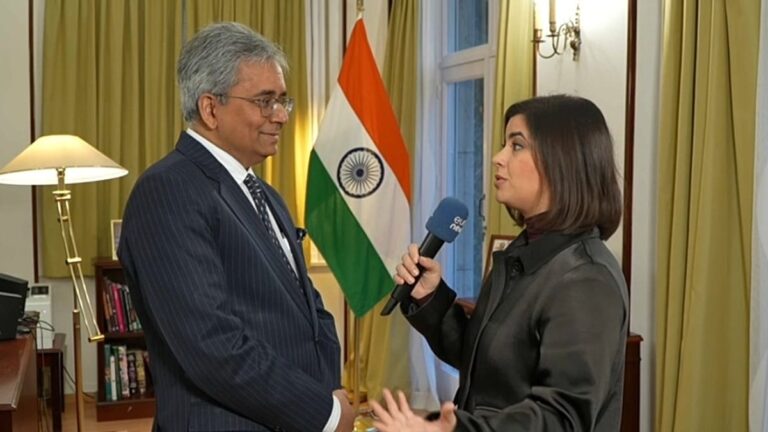
In addition, India has a lot of sun, he said. “There are excellent ways to use solar energy not only in the country, but also for export purposes. Use solar energy to produce ammonia, for example, or transport it to Germany as a new source of energy,” he added.
The AFT of India-EU proposed should considerably strengthen the sectors of hydrogen and solar thanks to strategic investments, a reduction in commercial barriers and improved technology sharing.
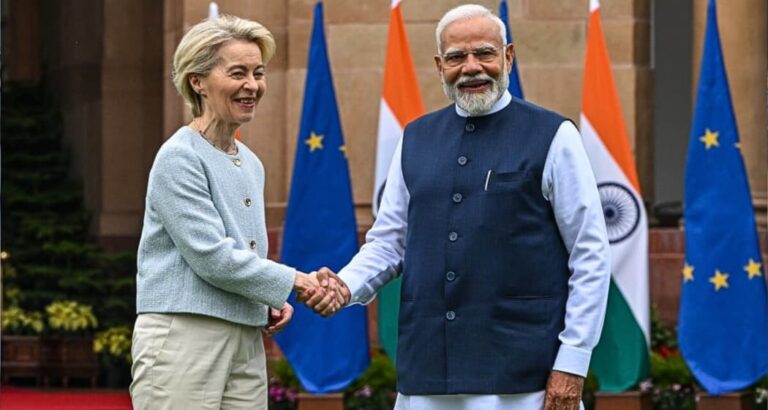
The FTA is part of a larger green transition thrust by the two parties, driven by the vast renewable potential of India and technological expertise and the policies of the Green Agreement of the EU.
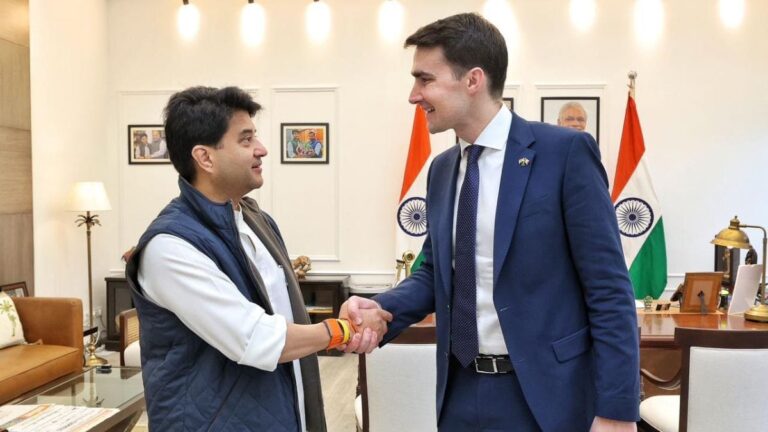
“Germany is not in control of the EU-India FTA. It is the European Union and the European Commission which negotiates on the European side,” said Enzweiler. “But the signals we obtain are very positive. We hope that towards the end of the year, we will see these negotiations arriving at a fruitful result. ”
About The Author