New Delhi: US -US -EU (European Union) framework agreement recently announced on trade – which maintains a 15% coverage rate on block exports to the largest world economy – could offer important lessons for India because it negotiates its own rules under the EU carbon border adjustment mechanism (CBAM).
While New Delhi is continuing a free trade agreement (ALE) with the EU, the experts claim that the country must obtain flexibility and similar flexibilities, in particular to protect small and medium-sized Indian companies (SMEs) and exporters against steep compliance costs.
Without such measures, companies in the country could deal with significant regulatory obstacles, while American competitors benefit from preferential treatment, potentially eroding India’s competitive position on European markets.
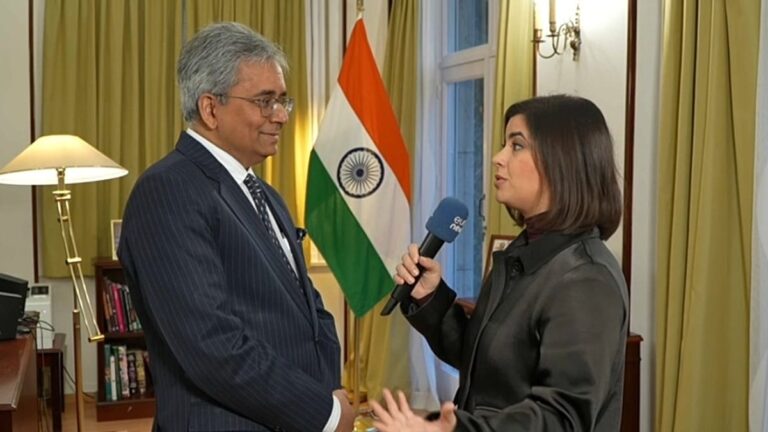
“For India, which is at the advanced stages of the negotiation of its own free trade agreement with the EU, these developments have clear lessons. New Delhi should put pressure for decorations and similar flexibilities in the CBAM and the rules of sustainability, in particular to protect SMEs and CBAM exporters,” said Ajay Srivastava.
Indeed, the US Trade Foreign Framework Agreement also grants American concessions on European regulatory executives, including the rules of the CBAM and the sustainability of companies.
The EU will provide flexibilities to American SMEs under CBAM, in force on January 1, 2026, and will facilitate compliance under reasonable diligence directives and the report of the sustainability of companies (CSDDD and CSRD) from July 2027, even considering exemptions for companies already subject to high stand rules.
These steps underline the EU’s desire to respond to American concerns when market access and strategic partnerships are at stake.
A senior government official said Mint That India will have to negotiate its CBAM strategy with the EU. “The United States-EU commercial framework could be useful in this regard,” added the person, asking for anonymity. “India will also seek similar concessions while finalizing the agreement,” added the person.
Ale negotiations in India with the EU aim to extend market access, stimulate exports and strengthen strategic economic ties. Key discussions focus on prices reductions, regulatory harmonization and protection for Indian companies, in particular SMEs, against high costs of compliance. The agreement should be finalized by the end of the year.
“The EU has shown flexibility by responding to certain concerns of the United States under CBAM, including on the minimis threshold,” said Pankaj Chadha, president of the engineering export promotion board. “India, as a developing economy, should also negotiate a fair agreement with the EU, aimed at zero CBAM on its exports. Our exporters need a fair playground to stay competitive,” he added.
Economists, however, do not expect India exports to see an immediate impact on the US Framework Agreement on Trade.
“For India, it is unlikely that American prices on EU exports have an immediate impact. Our main export sectors to the United States, such as RMG (ready-to-use RMG), precious stones, leather and agricultural products, do not compete directly with the EU,” said Madan Sabnavis, chief economist of Bank of Baroda.
Sectors such as electronics, which could have overlapped, are largely exempt from American prices, he added.
About The Author