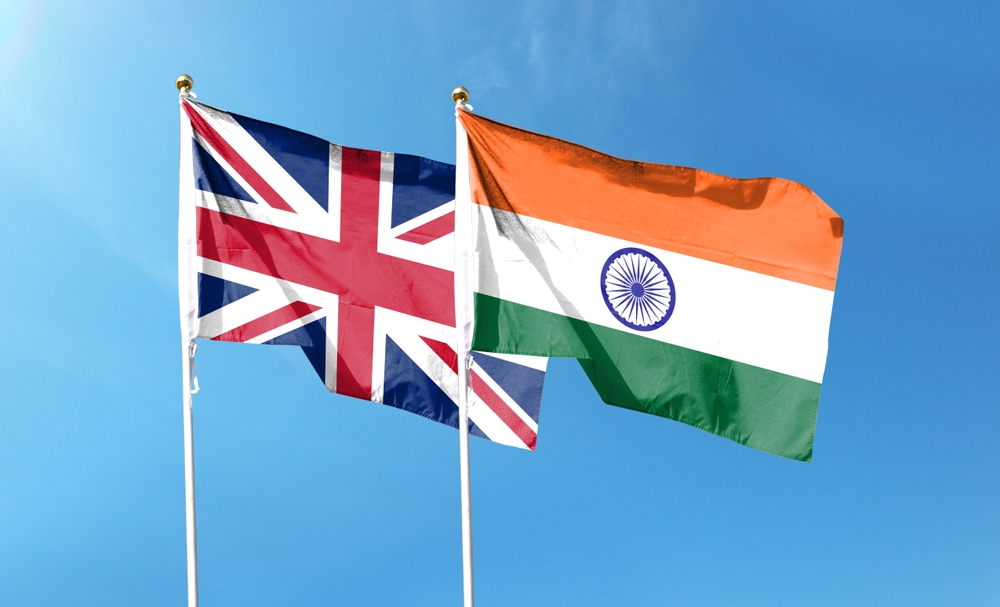
In May, Prime Minister Keir Starmer announced a “tripled” trade agreements with the United States, India and – especially – the European Union.
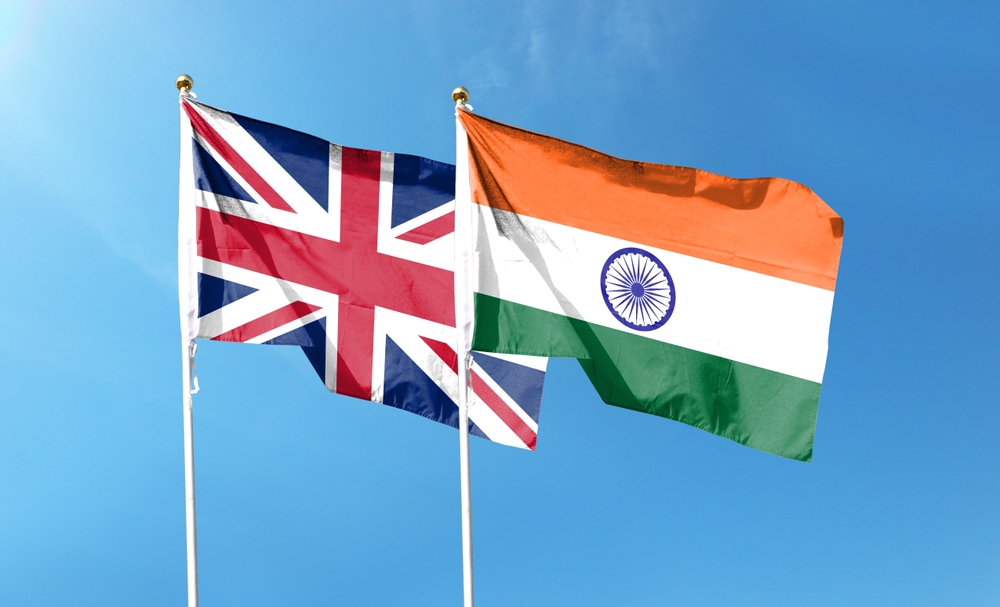
Great Britain insisted on the PM, was “back on the world scene”. While Indian Prime Minister Narendra Modi returns to London and the Ladies, to ink the Boris Johnson Agreement, once the inanonym, would be delivered “by Diwali” (2022), Starmer has the chance to use it as an opportunity – and a sweet recall. It is essential that the United Kingdom and the EU are starting to hold the promise of the May summit, and it does not seem to be the British who drag their feet this time. Substance, EU institutions and Member States must bring together their collective acts. The risk is that if Great Britain cannot obtain a better level of alignment with the EU – for all industries – in time to start moving the needle on growth, our leaders will not be with little choice, but to look further in order to achieve their manifesto projects and push the reform, despite any other trade agreement with the level of economic reinforcement than the deeper transaction of the EU.
Of course, there are positive points for the agreement in India. At the time also turbulent, the Center for Inclusive Trade Policy (CitP) rightly said that a new free trade agreement (ALE) “between two major economies is a glimmer of hope for the world”. After years of diplomat with nonsense under a succession of conservatives determined to offend on a global scale, it is a welcome change to see Starmer successfully engaged with other world leaders – including the fifth economy of the planet. Commercial transactions and lower prices are cruelly necessary for the good news for the British industries, in particular, in this case, Scottish whiskey, cars, planes, biomedical, pharmaceutical and technological companies.
But there are also risks. While India has recently reduced its imports from Russian weapons, as founding members of the BRICS Nations Group, the two countries have long and warm links. While on the inner front, Modi, which leads the Hindu National Party Bharatiya Janata (BJP), faced criticisms to alternately weaken the democracy of India, presiding over an increase in civic repression, and creating an atmosphere of fear for the Muslim population of the country, as tensions with neighboring Pakistan. As we have seen with the United States under President Donald Trump 2.0, Great Britain has no choice but to be pragmatic. The 21st century demanded that countries operate from a place of realism, no idealism, with regard to foreign and commercial relations. But that should not be at the expense of our values, and we must prioritize these bonds of friendship with the many nations which hold them just as expensive.
Elsewhere, the potential of Tripwires exists in the agreement in India. If the United Kingdom exempts India – which supports its case of a development nation – from taxes aimed at protecting the climate, such as the carbon borders (CBAM) or the Estment Negotiation Standard (ETS), discussions with the EU could prove more difficult. A whole to progress the promise of the summit of the United Kingdom in May, from the warm words to the final action, must be avoided.
Most importantly, achievements with India – although beneficial – cannot be authorized to overshadow the work that must be done with the EU. Although this agreement is the most significant FTA in the United Kingdom since we left the European Union (EU), it does not come out of feverish imagination as a “Brexit advantage”. According to preliminary estimates of the Department for Business and Trade (DBT), the economic impact of the agreement should represent the equivalent of 4.8 billion pounds Sterling – or a 0.1% increase in the GDP of the Kingdom by 2040. A drop in the ocean compared to the impact of a painful divorce from our closest neighbors – and the largest market. Like the “Brexit Audit” report for the Federal Constitution Society Found recently, the prediction by the office of budget liability of a long -term productivity stroke of 4% and around 40 billion pounds sterling of lost tax revenue – just from 2019 to 2024 – was clearly correct. Jobs have never been created, the companies never founded and the careers have never been launched are innumerable, and all contribute to the feeling of worsening the economic gloom of Great Britain.
This is why, then, it has never been so vital to Starmer and its ministers to focus on the laser on the place where action – and commercial transactions – will have the most important. Thanks to the years of stagnation, the local services cut with the bone and the decline in the senses of pride, confidence and the resulting connection, too many voters have been left angry, frustrated and discouraged. With the reform of the United Kingdom which catches up with these tensions, real economic advantages must be delivered, and quickly, if this government must have a hope of maintaining the confidence of the communities which expected it to cause change. The government’s objective must be firmly trained on the EU, and the meticulous diplomatic transplant that we know is necessary to advance commercial negotiations.
The fastest and best way – to deliver this progress is via the market just at our door. While the MP Emily Thornberry interviewed Starmer earlier this week, when will the EU and the United Kingdom progress for other sectors? It is not only on agro-food foods and electricity that we must align on the EU, but in so many industrial sectors which will not see growth as long as the Brexit friction treated them is not withdrawn from our borders. These closer UE-UK links would be a gamechanger for the British economy, as well as cost reduction for consumers at the cash register, reducing energy bills and restoration of lost opportunities towards our young people. Researchers at Border economy The long -term UK growth could reach 1.5% – even with the impact of Trump’s trade rates – if we are deeply aligned with the EU on all industries. It may seem small, but in the context of the British economy, it represents billions of pounds, in wages, growth and, above all, taxes for our extended public services.
Visible progress on defense during the recent visits to the French president and the German chancellor clearly show that Europe is – cautiously – open to closer links with us once again. But leaders on all sides must urgently enter this moment. Europe must now work with a British Prime Minister who shares his vision of a democratic, peaceful and prosperous continent – or would risk that which would tear all progress and bring us back to the box. The signing of the agreement in India must be an important step, not a roadblock, on the path of a common sense agreement with the EU.
About The Author