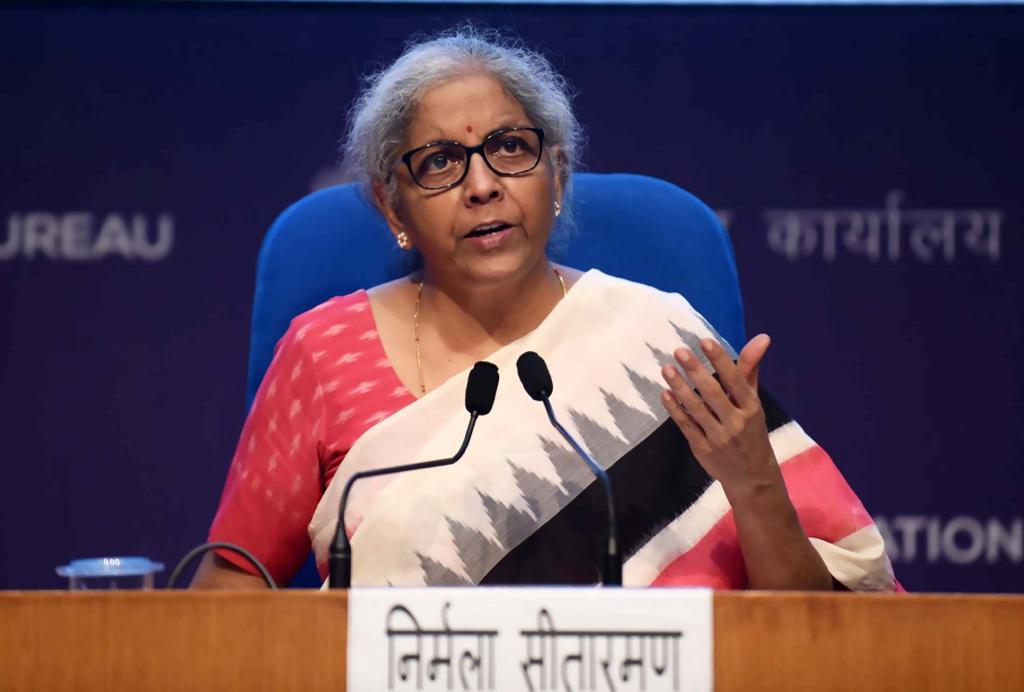
New Delhi: The Minister of Finance SMT Nirmala Sitharaman said that, negotiations for the free trade agreements proposed (AGLE) with the WE And European Union (EU) Progress at a quick pace and will end soon on Tuesday. All efforts are made to stimulate exports to achieve the ambitious objective of 2 USD billions by 2030.
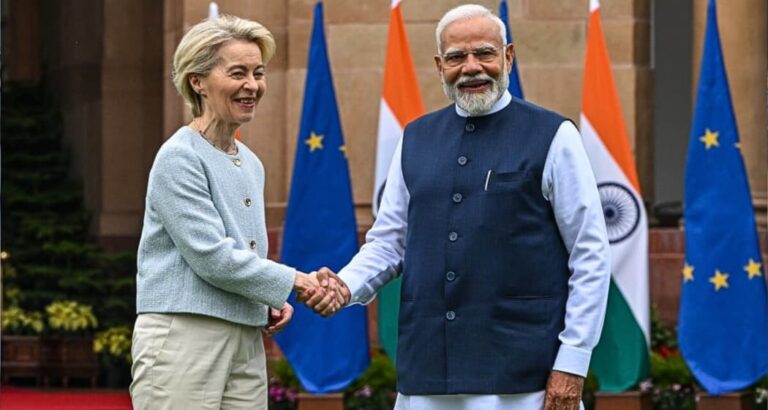
India has already signed free trade agreements with water, Australia, and the EFTA (European Free-Free Trade Association) block and negotiations have been completed with the United Kingdom, she said “with the United States and the European Union, negotiations are really intense and should arrive at the conclusion earlier”. The emphasis is placed on the conclusion of more free trade agreements, she said during the inauguration of the commercial conclave by India Exim Bank here.
Referring to the country’s exports, the Minister of Finance said that total goods and services exports reached a record of USD 825 billion in fiscal year 25, which reached growth of 6% compared to the previous year.
While global exports increased by only 4%, India exporters have managed to accelerate and cross growth of 6.3% despite global trade in the commercial front, she said.
By observing that exporters “swim against the tides”, she assured them all the support and urged them to focus on innovation and find more recent markets for their products.
Speaking during the event, the secretary of financial services, Mr. Nagaraju, said that the growth prospects of India remain brilliant, even if the world economy is disturbed by geopolitical uncertainties and the important opposite winds which emanate them.
“Even in the midst of all the world’s opposite winds, India continues to be a headlight of hope,” he said.
Nagaraju said that exports from India, that the Ministry of Commerce “tries very strongly” to integrate into the global value chain, regardless of the challenges.
Exports from the pharmaceutical and jewelry and jewelry sectors show resilience, he said by adding to this company the Ministry of Finance undertakes to extend support through policies, regimes and financial aid.
“Our financial systems are strong with adequate capital and low-performance non-efficient assets,” he said, adding, this provides strong support for the financial needs of India.
About The Author