ANI |
Updated: February 14, 2026 10:02 p.m. STI

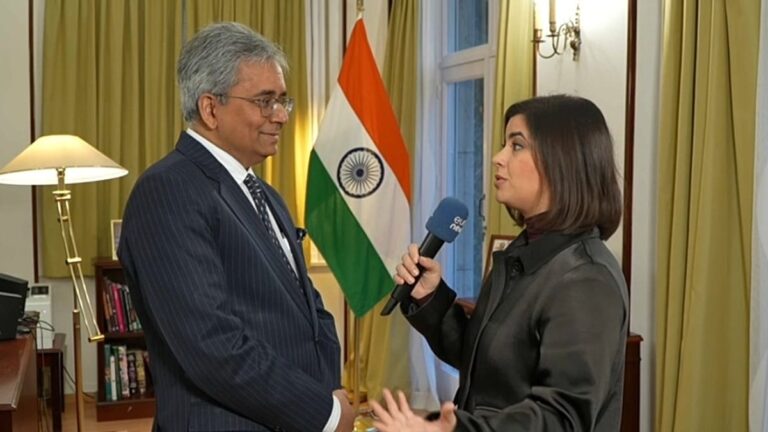
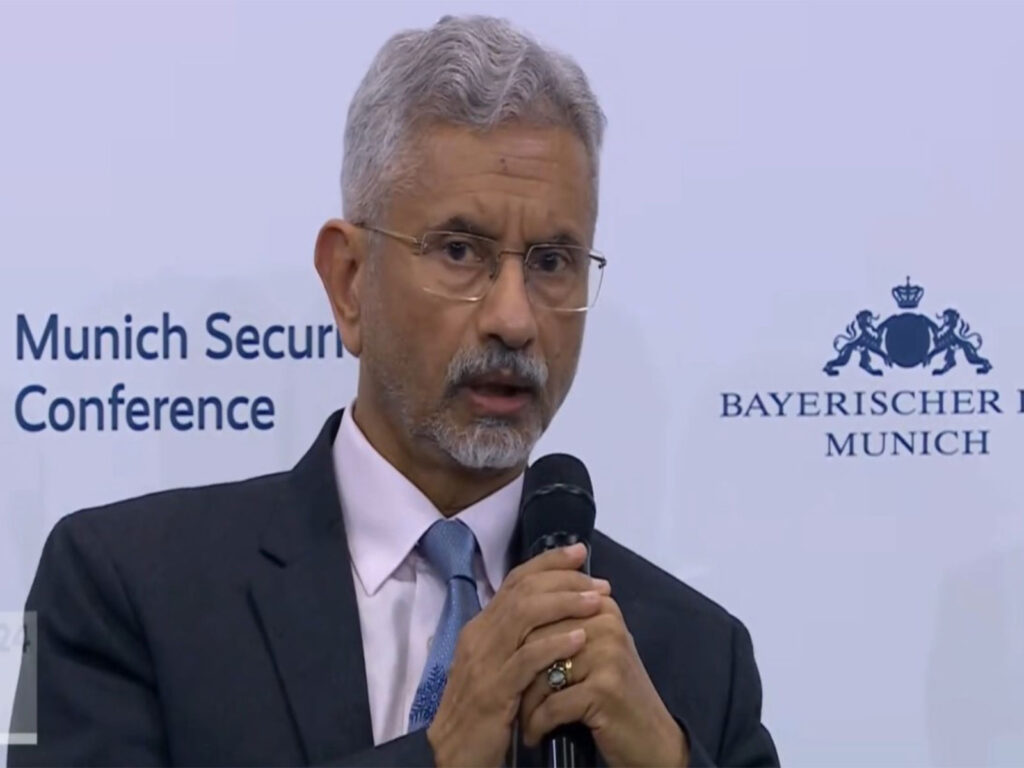
Munich (Germany), February 14 (ANI): Foreign Minister S Jaishankar on Saturday emphasized that enduring international partnerships require sustained trust-building beyond high-level visits and formal agreements, as he shared the stage with German Foreign Minister Johann Wadephul at the Munich Security Conference.
Participating in a conversation titled ‘Navigating Uncertainty: India and Germany in a World in Disarray’, Jaishankar reflected on the changing global order and the importance of strengthening India’s ties with Europe and Germany.
In the broader geopolitical landscape, Jaishankar said the world is moving towards a highly multipolar order, with more decision-making centers emerging.
“I would say that the world is moving towards greater multipolarity, that there will be many more independent or autonomous decision-making centers. The most interesting region for many of us is probably Europe, because we have seen, in a way, a kind of strategic awakening of Europe in recent years,” he said.
In this context, the minister stressed that partnerships must be maintained constantly and cannot be based solely on appearances or episodic engagement.
“Relationships are not created just by visits, agreements, headlines or even discussions here. They need a lot of reassurance,” Jaishankar said.
He added that both sides must invest in deepening mutual understanding. “We need India and Europe, as well as India and Germany, to work to build this level of comfort,” the foreign minister noted.
Foreign Minister S Jaishankar on Saturday met G7 foreign ministers and their global counterparts at the Munich Security Conference 2026, reiterating India’s support for UN Agenda 80 and highlighting New Delhi’s role in safeguarding global security.
He also highlighted India’s role in safeguarding maritime lines of communication, acting as a first responder in times of crisis, strengthening port security and contributing to the resilience of submarine cable infrastructure.
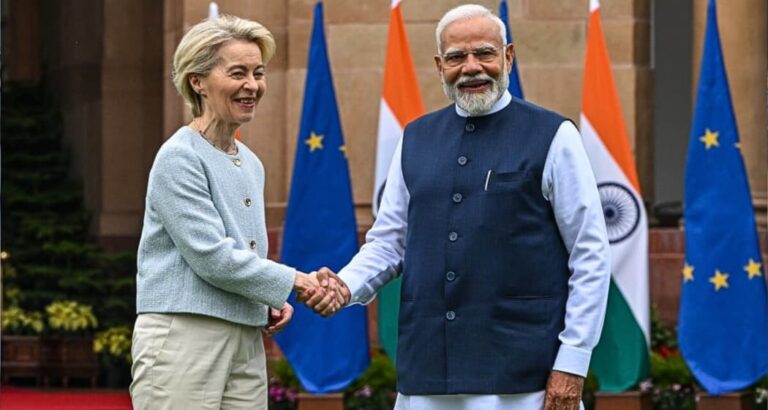
In India-EU relations, the India-EU Free Trade Agreement was finalized in January 2026 after lengthy negotiations, eliminating customs duties on more than 90% of goods traded between the two sides.
According to a sector analysis by credit rating agency ICRA, the deal grants India preferential duty-free access on 97 percent of EU tariff lines, covering almost 99.5 percent of the value of Indian exports, while India will reduce or eliminate customs duties on 92 percent of its tariff lines for EU imports.
Agricultural and processed food exports, such as tea, coffee, spices, fruits, vegetables and marine products, will benefit from preferential access to the EU market. Maritime exports are set to benefit from tariff reductions of up to 26 percent, supporting coastal employment and export growth.
Labor-intensive sectors, such as leather, footwear, furniture and rubber products, are also expected to see gains. At the same time, sensitive sectors including dairy, grains and poultry were safeguarded to protect farmers and MSMEs. (ANI)
About The Author