Wolfgang Lehmacher weighs in on the mother of all FTAs, saying it could mark the start of a quantum leap for shipping industry leaders.
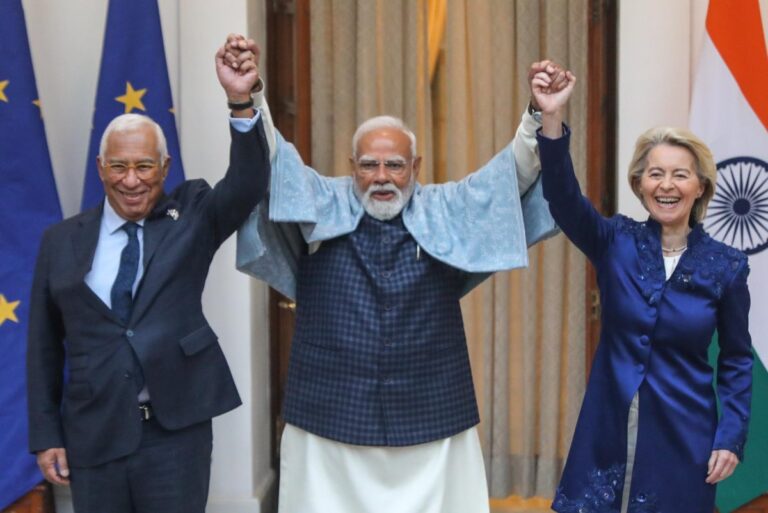
The new India-EU trade deal, called “the mother of all FTAs”, reduces tariffs, but, more importantly, it could change the way shipping companies operate around the world. The deal introduces strict rules on environmental standards, digital tracking and sustainability, forcing maritime leaders to rethink how they run their businesses. The most successful players will use cutting-edge technology to comply with the new rules and gain an advantage, making their operations more efficient, more resilient and more reliable.
This agreement is different from previous trade agreements because it connects business, the environment and digital progress in a way that will reshape the sector. Shipping companies that follow new rules on sustainability and digital reporting will be better placed to meet the demands of customers, investors and regulators in an uncertain world. Using advanced technology for fleet management, route planning and compliance will help businesses reduce emissions, reduce costs and become more agile.
It is important that companies place environmental standards at the heart of their activities. This goes well beyond regulatory compliance, as the agreement aims to build trust and improve their reputation. Digital monitoring will help businesses demonstrate they are meeting new requirements and provide confidence to customers and regulators. Working closely with technology experts, sustainability consultants and regulators will help businesses navigate complex new rules and find new ways to grow.
Creating a culture of innovation within the company, by investing in its people and trying new ways of working, will be the key to long-term success. The combination of the India-EU trade agreement and cutting-edge technologies creates a new era in which sustainability, digitalization and profitability go hand in hand. Top shipping leaders will use technology to turn environmental action into advantage. By using these tools for fleet management, route planning and compliance, major players are reducing their emissions, saving money and building the resilience and confidence needed in today’s world. This may be the big change that will shape the future of shipping.
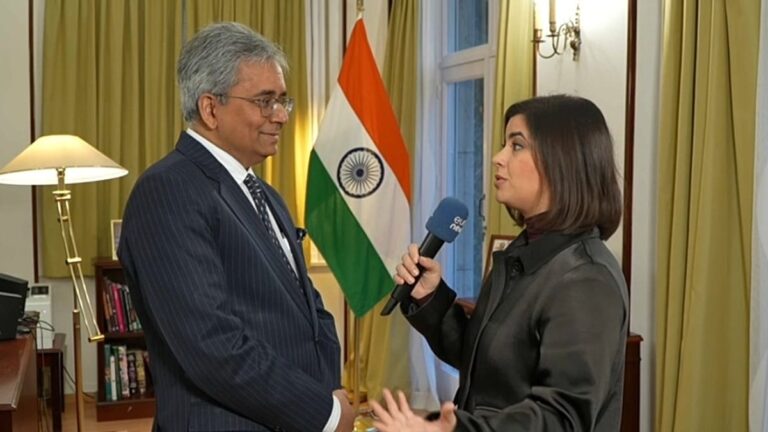
The deal has its challenges. According to a report prepared by Ajay Srivastava, former head of the Indian Commercial Service, the EU’s Carbon Border Adjustment Mechanism (CBAM) and strict digital reporting requirements could force Indian exporters to lower prices by 15-22% to remain competitive, acting as a non-tariff barrier. High registration costs for chemicals and medical devices, as well as stringent sanitary and phytosanitary standards, have been flagged as challenges for Indian agricultural and marine products, leading to shipments being rejected due to traces of pesticides or compliance issues. Sensitive agricultural sectors, such as dairy, sugar, rice and ethanol, are largely excluded from the deal, limiting its benefits.
Despite these challenges, the India-EU FTA offers significant opportunities for shipping companies that can adapt and innovate. The most successful actors are those who use regulatory standards to build resilience, agility and trust. The deal is expected to double EU exports to India by 2032, leading to sustained growth in containerized and bulk cargo, with Indian ports like Jawaharlal Nehru Port (JNPT), Mundra and Pipavav well placed to capture the increased volumes to Europe. European hubs like Rotterdam, Antwerp, Hamburg, Piraeus and Valencia will benefit from the inbound side, reshaping trade corridors.
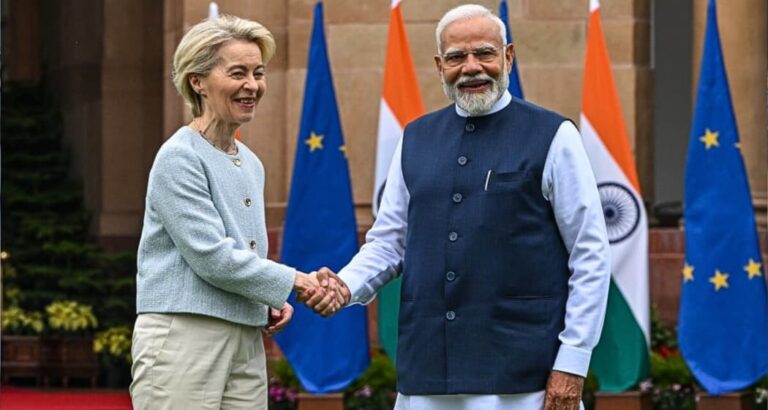
Government and industry are mobilizing to support affected sectors. Initiatives such as innovation hubs and policy interventions help businesses navigate the transition. As European Commission President Ursula von der Leyen said: “We have created a free trade zone of two billion people, from which both sides should benefit. » This could be a giant step that defines the future of maritime leadership in 2026 and beyond.
About The Author