.
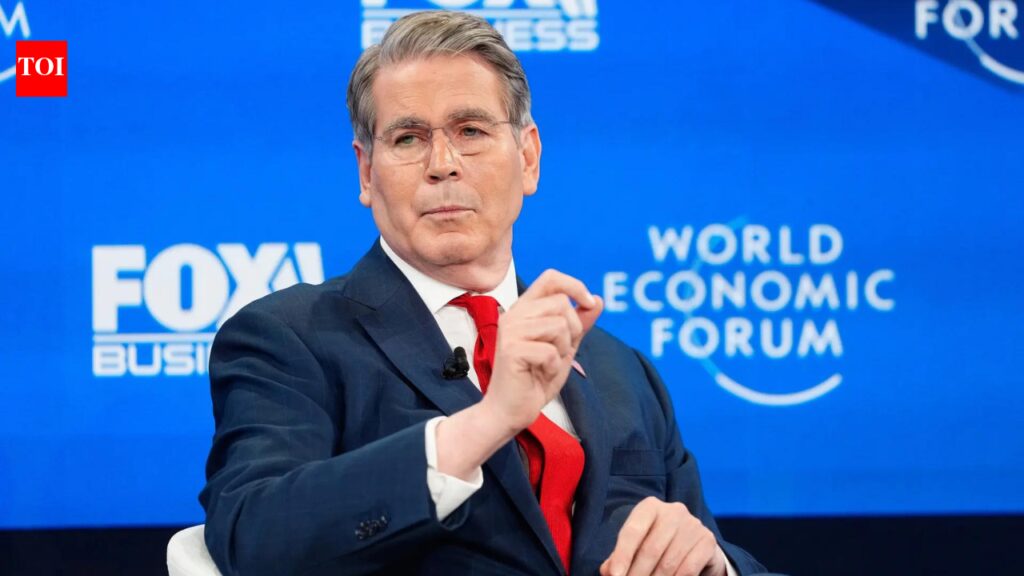
US Treasury Secretary Scott Bessent on Wednesday criticized European countries over the trade deal with India.When asked in an interview with CNBC whether the India-EU trade deal threatens US interests, Bessent said countries should do what is best for themselves. But he said he was “very disappointed” with Europe’s actions, particularly given the war in Ukraine.
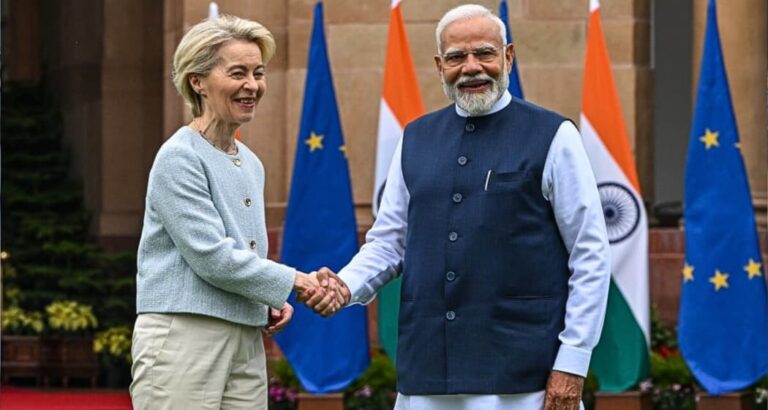
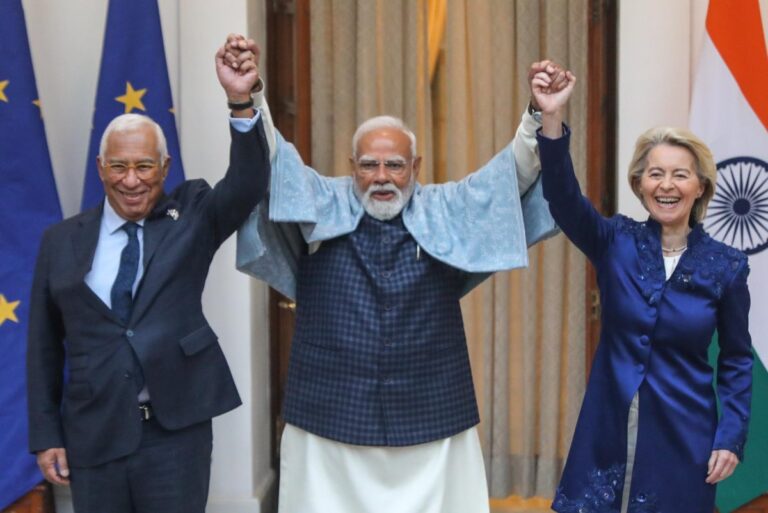
“We imposed 25% tariffs on India on the purchase of Russian oil. Guess what happened last week? The Europeans signed a trade deal with India,” he said.“Europeans are on the front line in the war between Ukraine and Russia,” Bessent added. He pointed out that while India had started buying sanctioned Russian oil, European countries then bought the refined products. “So the Europeans are financing the war against themselves,” he said.Bessent added that the United States had imposed a 25 percent tariff on India on the purchase of Russian oil, but said European countries were not joining Washington’s efforts. “The Europeans weren’t willing to join us and it turns out that’s because they wanted to do this trade deal,” he said.He said Europe had placed its commercial interests ahead of the war in Ukraine. “Every time you hear a European talk about the importance of the Ukrainian people, remember that they put trade before the Ukrainian people,” Bessent said. “European trade is more important than the end of the war in Ukraine. »His comments come a day after India and the European Union announced they had concluded negotiations on a free trade agreement, ending negotiations that began almost 20 years ago. The deal, described by Indian officials as “the mother of all deals,” is India’s 19th trade agreement.The deal is expected to boost Indian exports to the 27-nation EU bloc and change competition for several domestic industries. It comes at a time when global trade is under strain due to high U.S. tariffs, fragile supply chains and ongoing geopolitical tensions, including the war between Russia and Ukraine.India is currently facing high tariffs from the United States, while the European Union is also at risk of higher US tariffs.
About The Author