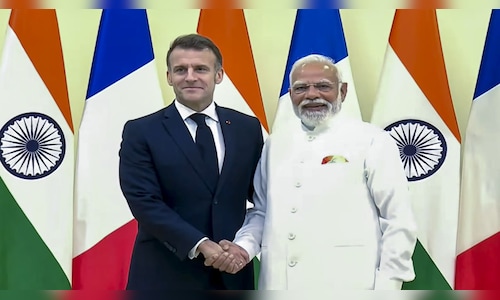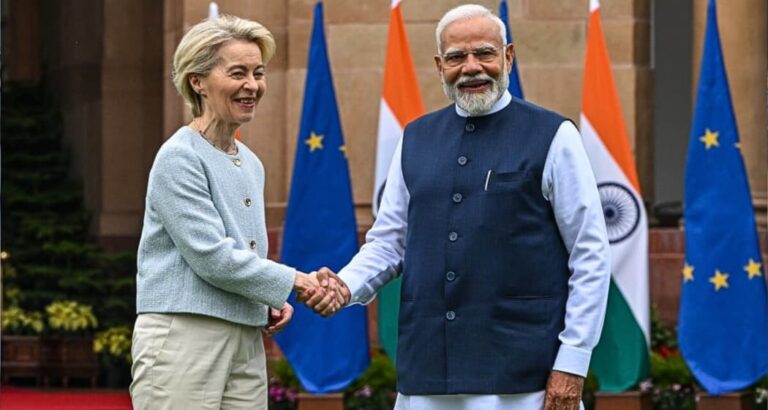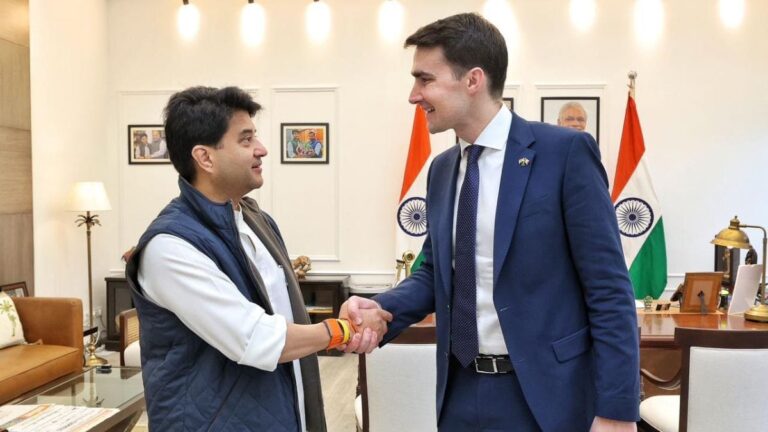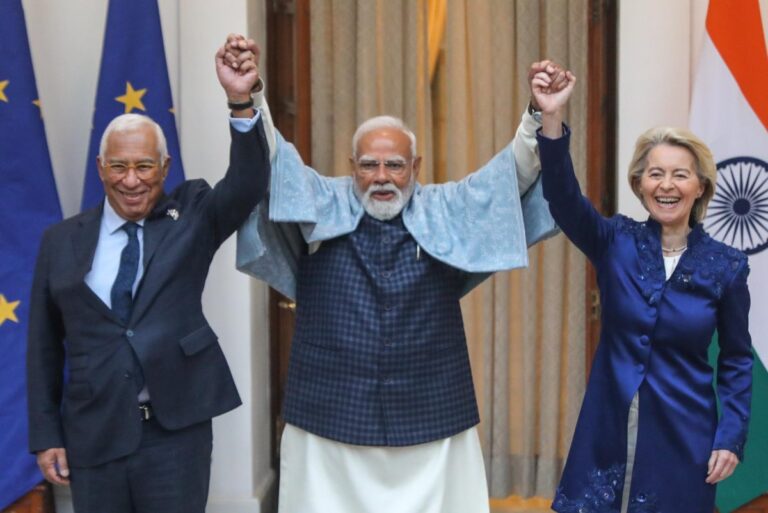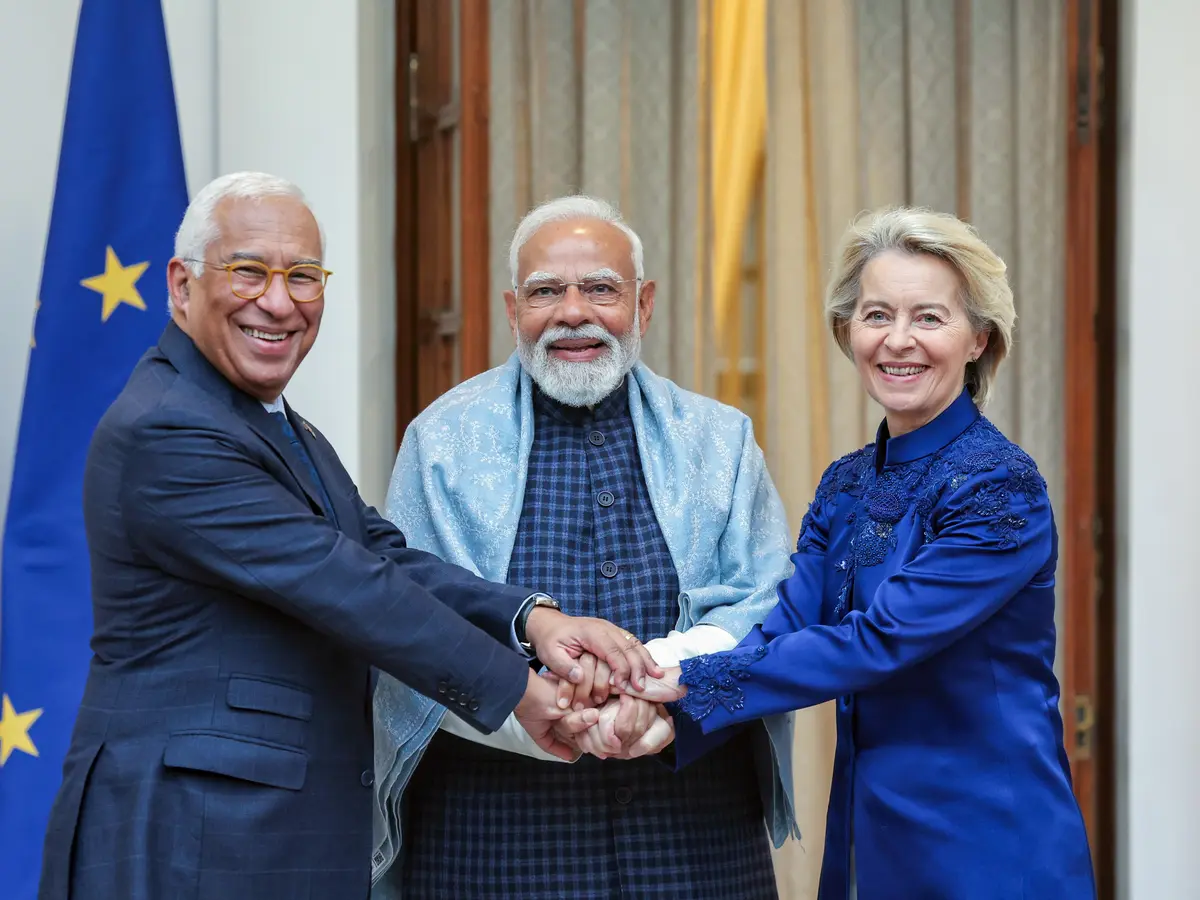
India and the European Union signed the long-awaited Free Trade Agreement (FTA) on Tuesday January 27. It has been described as the “mother of all agreements” by European Commission President Ursula von der Leyen. Indian Prime Minister Narendra Modi hailed the deal as a “major opportunity” for businesses on both sides and said it would deepen ties between India and Europe. This new agreement elevates India’s status to a level of security cooperation previously held only by Japan and South Korea in Asia. In the field of defense, the agreement moves from simple acquisition to co-development and co-production of military equipment.
What the India-EU agreement says on defense sector and security cooperation

The EU and India will undertake joint naval patrols along critical trade routes, including the Red Sea and the Gulf of Guinea, to combat piracy and hybrid threats.
Indian companies will be eligible to participate in PESCO (Permanent Structured Cooperation) projects, enabling them to collaborate in the development of advanced European defense capabilities. Leaders launched negotiations for a Security Information Agreement (SOIA) to enable the secure exchange of classified intelligence and technical data.
Why is it called “Mother of All Transactions”
Prime Minister Modi described the FTA as a “project for shared prosperity” that represents 25 percent of global GDP and a third of global trade. The EU will eliminate or reduce customs duties on more than 90 to 97 percent of goods. Indian exports of textiles, gems and leather will benefit from significant access, while India will reduce tariffs on European cars, machinery and spirits (for example, tariffs on wine dropping from 150% to 75% initially). The agreement includes India’s most ambitious commitments on financial and maritime services ever offered to a trading partner. The deal creates a massive market of nearly 2 billion consumers with new agreements focused on semiconductors, 6G and artificial intelligence. Both countries reaffirmed the India-Middle East-Europe Economic Corridor (IMEC) as a strategic tool for green and digital connectivity.
What the India-EU agreement says on mobility and global issues
The new agreement facilitates the movement of Indian professionals, researchers and students to Europe, providing a legal pathway for skilled labor while combating irregular migration. Both leaders emphasized their commitment to a rules-based international order, particularly as it relates to the Indo-Pacific, Ukraine and the Middle East.
About The Author