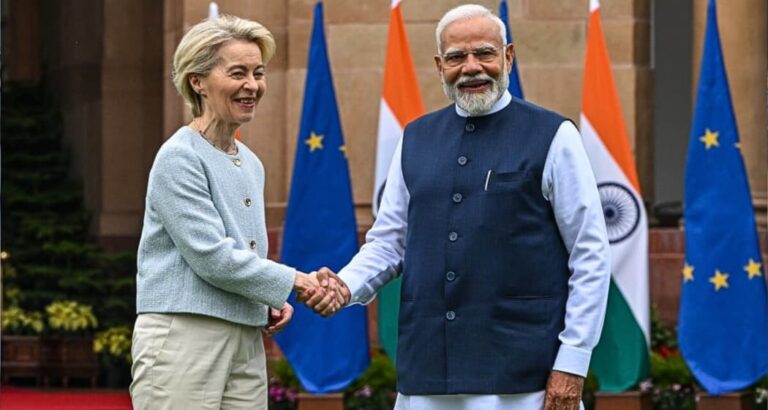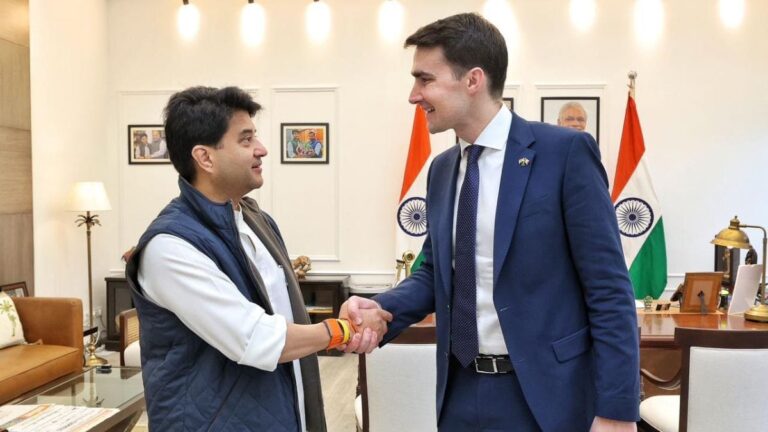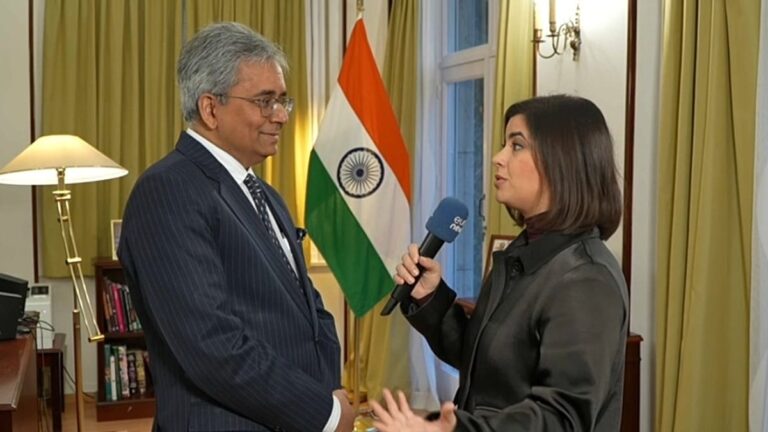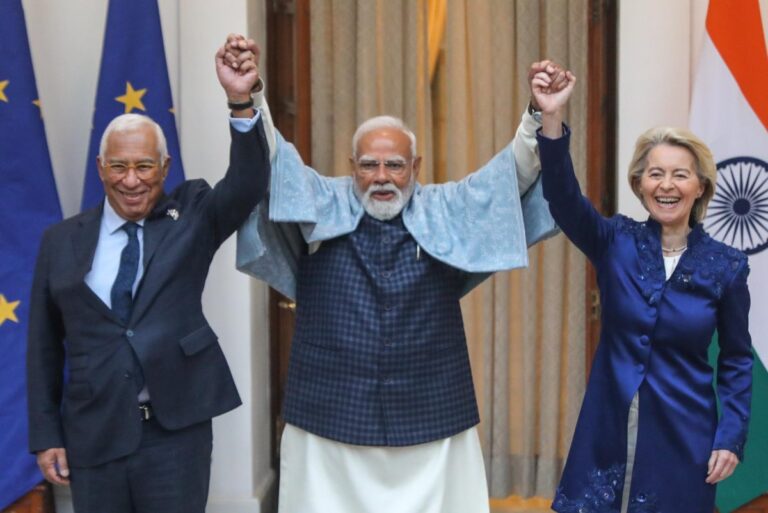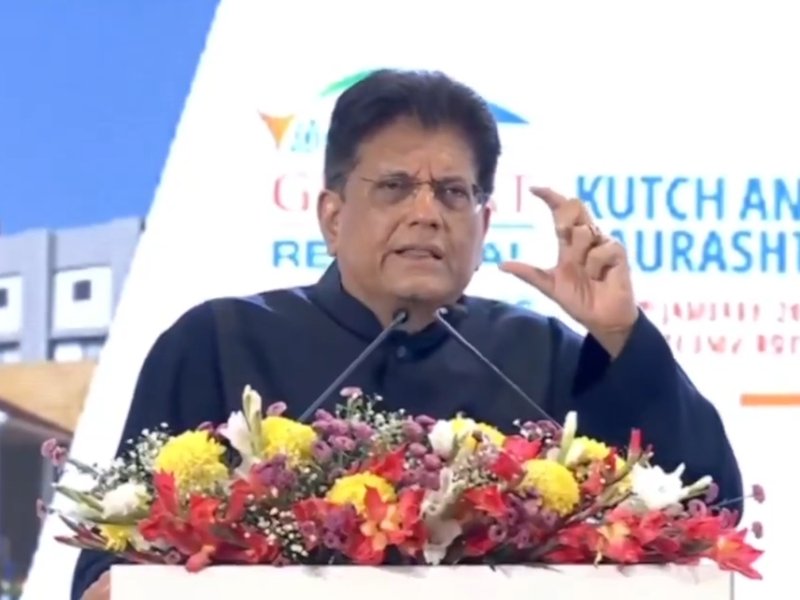
Rajkot (Gujarat), January 12 (IANS) Negotiations for a trade deal between India and the European Union have entered the final stage, while negotiations continue with the United States for a bilateral trade deal, Commerce and Industry Minister Piyush Goyal said on Monday.
The minister’s statement came while delivering the keynote address at the regional MSME conclave being held in Rajkot.
Goyal has just returned from Brussels, where he took part in high-level talks with European Commissioner for Trade and Economic Security Maros Sefcovic on Friday as part of efforts to secure a mutually beneficial free trade agreement (FTA) between India and the EU.
India is pushing for duty-free access for its labor-intensive sectors, such as textiles, leather, clothing, gems and jewelry, and handicrafts.
“During this dialogue, we deliberated on the key areas of the proposed agreement. We reaffirmed our commitment to a rules-based trade framework and a modern economic partnership that protects the interests of farmers and MSMEs while integrating Indian industries into global supply chains,” Goyal said in an article on X.
Goyal’s remark on continuing India-US talks comes on a day when the new US ambassador to New Delhi, Sergio Gor, also said the next round of talks would take place on Tuesday (January 13).
Addressing staff and reporters as he took charge of the US Embassy here, Gor said President Donald Trump conveyed “his best wishes to his friend Prime Minister Narendra Modi”.
“The friendship between Mr. Trump and Mr. Modi is real, and the United States and India are linked not only by common interests, but also by a relationship anchored at the highest levels. True friends may disagree, but always resolve their differences in the end,” Gor remarked.
He also said that while trade is very important for India-US relations, the two countries will continue to work closely in other very important areas, such as security, counter-terrorism, energy, technology, education and health.
He stressed that the two sides remain in regular contact despite differences on customs tariffs and market access.
–IANS
sps/vd
About The Author