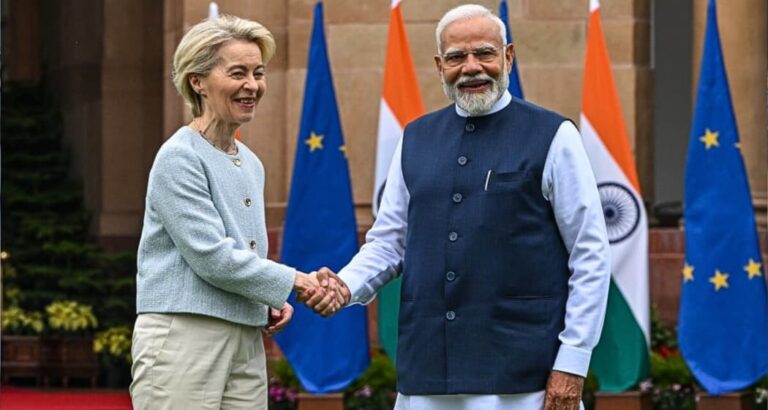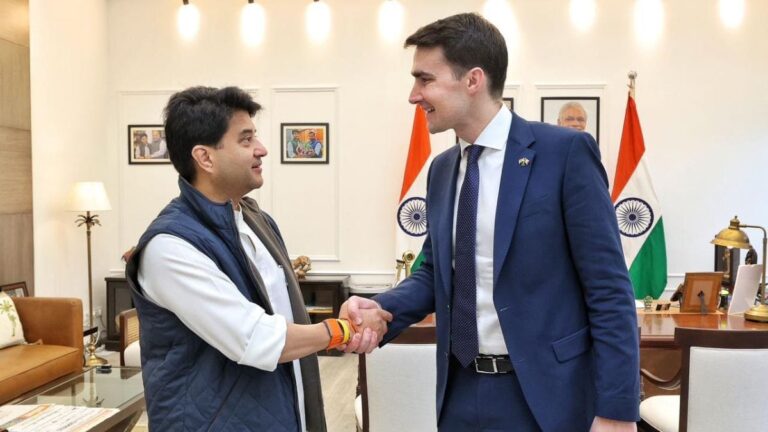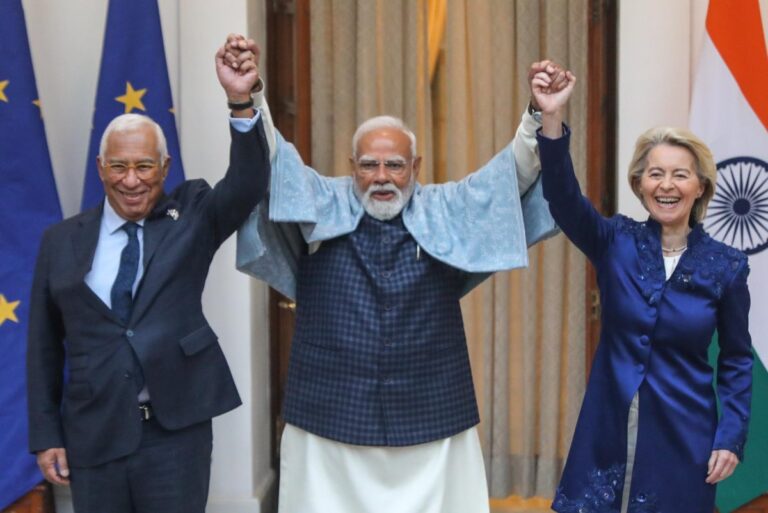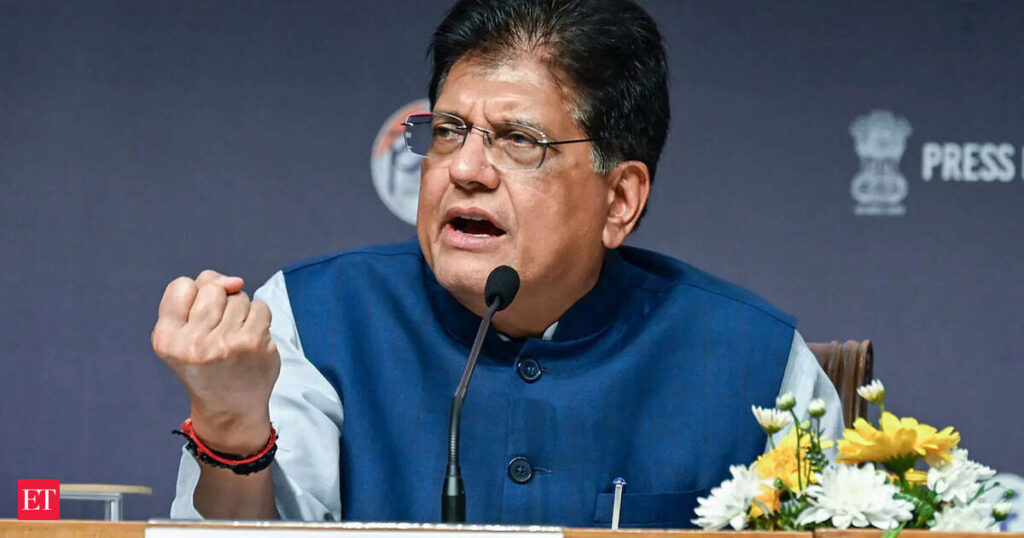
Leaders are expected to conduct detailed deliberations in key areas of the proposed FTA, aiming to narrow differences and ensure clarity on outstanding issues.
“The talks come at a historic moment for economic relations between India and the EU… The main objective of these interactions is to provide strategic guidance to the negotiating teams, resolve outstanding issues and accelerate the conclusion of a balanced and ambitious agreement,” the Ministry of Commerce and Industry said in a statement.
According to the statement, one of the central pillars of India’s negotiating strategy is to reach an agreement that will result in tangible benefits for the common man. India is pushing for duty-free access for its labor-intensive sectors such as textiles, leather, clothing, gems, jewelry and handicrafts.
The upcoming negotiations are expected to reaffirm both sides’ commitment to a rules-based trade framework and a modern economic partnership that protects the interests of farmers and MSMEs while integrating Indian industries into global supply chains, he said.

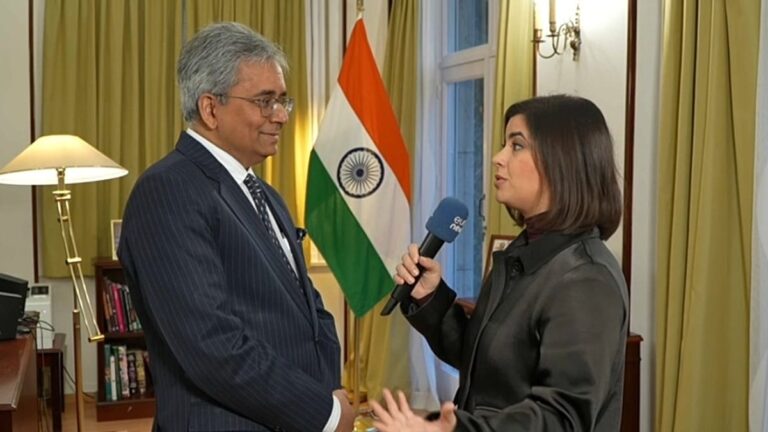
The ministerial commitment follows a week of intensive deliberations in Brussels, building on the groundwork laid during high-level discussions held earlier this week, on January 6-7, between Commerce Secretary Rajesh Agrawal and the European Commission’s Director-General for Trade, Sabine Weyand.
“The visit highlights the intensification of diplomatic and technical engagements between New Delhi and Brussels, signaling a decisive step towards the conclusion of the India-EU FTA,” the text added. Negotiations were ambitiously relaunched in June 2022 after a hiatus of more than nine years, reflecting a renewed mutual commitment to deepening economic integration. Since the resumption, the two sides have held 14 rounds of intense negotiations and several high-level ministerial-level dialogues, with the last interaction taking place in December 2025.
“This agreement is not only envisaged as a trade agreement, but also as a comprehensive partnership, which responds to modern economic realities,” it read, adding that India and the EU have expressed their strong political determination to reach a comprehensive agreement.
About The Author