In contrast to this rigidity, India’s concessions in its deal with the UK stem from the flexibility it was given in the agricultural sector, which was largely insulated from British products, the official said. “For all its faults, (the UK) understands India and Indians better.”
Nearly half of Indians depend on agriculture for their livelihood, and farmers constitute a strong voting bloc that holds significant political influence. In 2021, farmers’ protests even forced Prime Minister Narendra Modi to withdraw agricultural reforms and issue an apology.
In fact, former Indian officials and experts told me that U.S. tariffs on India were not a punishment for that country’s purchase of Russian oil. as Trump claimedbut rather for his refusal to let American food products flood the country.

“The interests of our farmers are the top priority. India will never compromise on the interests of its farmers, dairy farmers and fishermen,” Modi said. said at the time.
But these same differences now threaten EU-India relations even before they really take off.
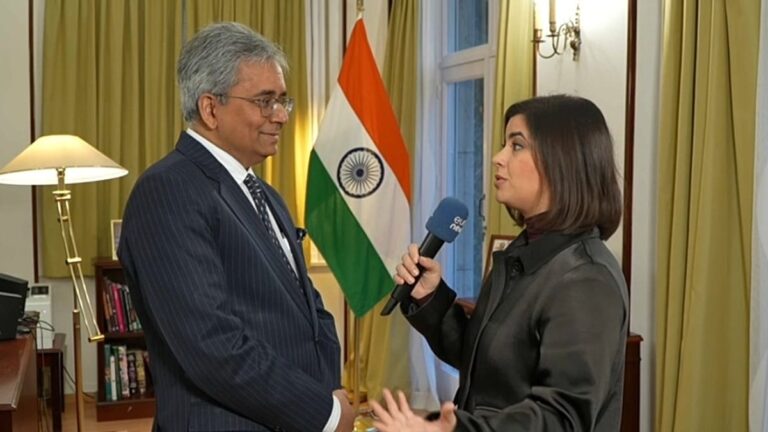
“The Europeans could learn from the British,” noted the Indian official. “They excluded dairy, chicken and apples from the deal,” he explained, listing products of particular importance to India. “In exchange, we let them bring salmon, cod and lamb.” He also hinted that India could consider lowering tariffs on cars and wine if the bloc stays away from agriculture: “In alcohol, luxury cars and wine, there is always room, because it does not affect our most vulnerable populations. »
About The Author