(Bloomberg)– Trade negotiators from India and the European Union are no longer optimistic that a trade deal can be finalized by the end of the year, with negotiations stalled on a few key issues like steel and autos, according to people familiar with the matter.
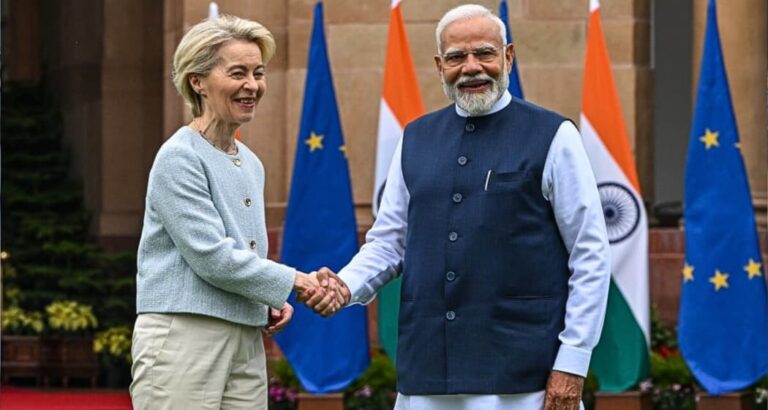
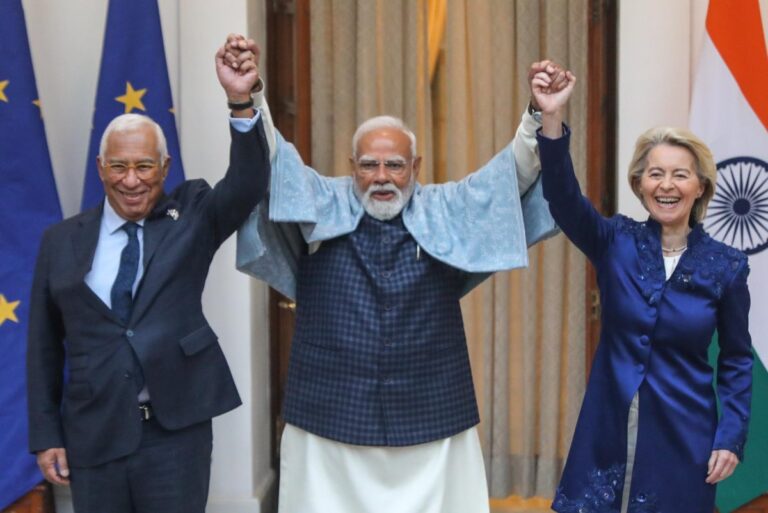
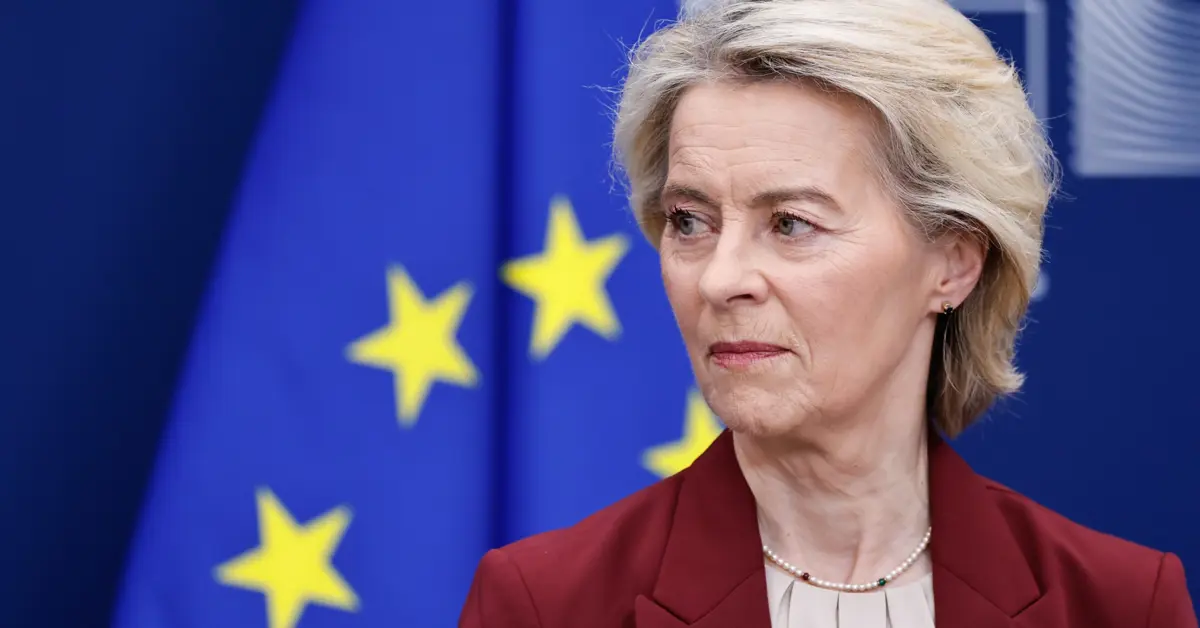
Negotiations are now expected to extend into next month, with both sides still hoping to reach a deal that can be announced when European Commission President Ursula von der Leyen leads a delegation to New Delhi in January, said the sources, who spoke on condition of anonymity.
Prime Minister Narendra Modi and von der Leyen had set a February deadline to conclude the FTA this year.
Although both sides made new political efforts after the summer break to finalize the deal, technical problems remain. The end result is likely to be a deal more limited in terms of ambition than others struck by the European bloc in recent years, the sources said.
The sticking points seem to be around sensitive areas like automobiles and steel. The EU wants New Delhi to increase the quota of around 80,000 cars that it could export to India at a reduced rate, some of the people said. New Delhi, meanwhile, is seeking to ease tariffs on some steel products exported to the EU and wants flexibility around the bloc’s rules on carbon taxes.
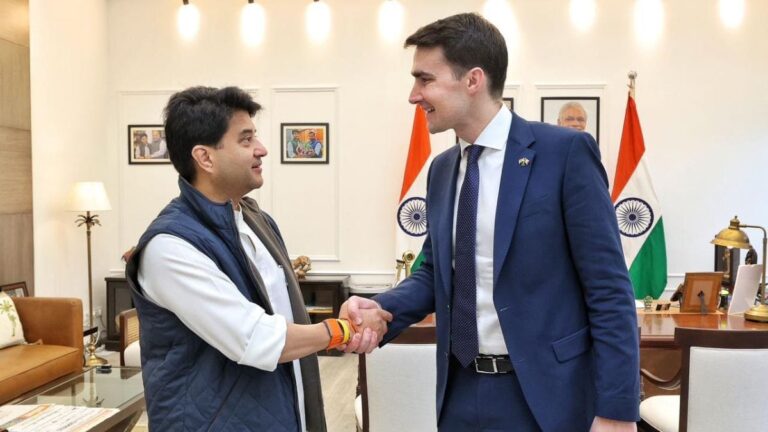
European Commission spokesperson Olof Gill recalled that EU trade chief Maros Sefcovic visited India earlier this month to advance the negotiations, which had been preceded by “intensive negotiations” at the technical level.
“The engagement will continue towards achieving the objective of finalizing the negotiations by the date of the next EU-India summit,” he added.
India’s Ministry of Commerce and Industry did not immediately respond to an email seeking further information.
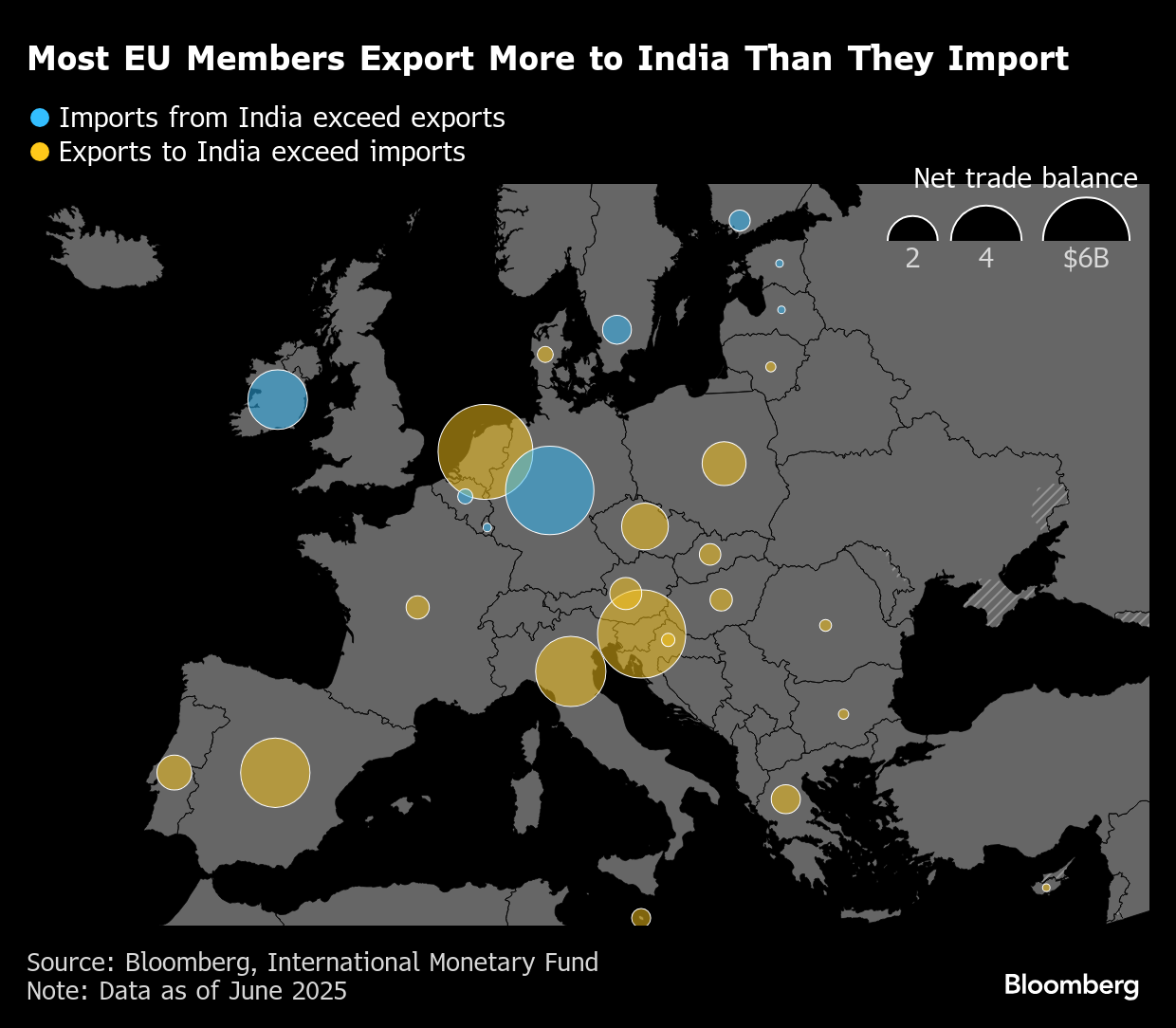
The FTA has been under negotiation for nearly two decades, but negotiations took on new urgency this year after President Donald Trump returned to the White House, raising tariffs and upending global trade. Trump’s 50% tariffs on Indian goods have hit the country’s export industries, forcing Modi’s government to seek alternative markets.
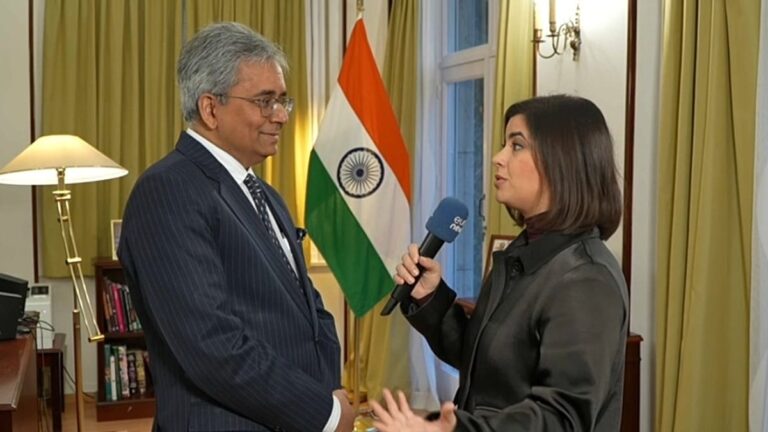
Commerce Minister Piyush Goyal said during a trip to Brussels in October that India and the EU had “significantly reduced” outstanding issues around the deal.
New Delhi has also accelerated FTA negotiations with several countries – including New Zealand, Chile, Peru and Oman – to compensate for lost access to the US market. Modi is expected to visit Oman next week, while New Zealand’s trade minister is currently in India for the next round of talks. In July, New Delhi concluded an FTA with the United Kingdom, eliminating tariffs on products ranging from cars to alcohol.
Meanwhile, the EU is scrambling to secure trade deals and other partnerships around the world, including in digital, minerals and security, in an effort to diversify under pressure from the United States and China, its main trading partners. Yet the bloc is struggling to push through its historic deal with the Mercosur region – comprising Argentina, Brazil, Uruguay and Paraguay – by the end of the year – the largest trade deal ever negotiated after 25 years of negotiations.
©2025 Bloomberg LP
About The Author