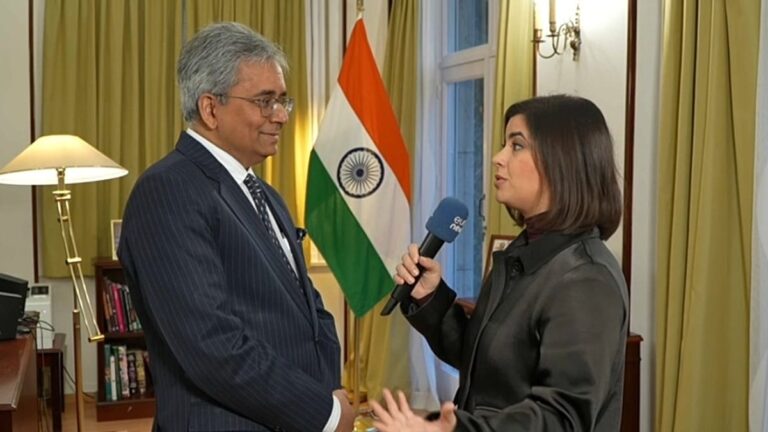
According to Sven Ostberg, Consul General of Sweden, bilateral trade between India and Sweden could double within five years if the India-EU free trade agreement is concluded and India continues its green transition. Ostberg noted that negotiations on the trade deal have accelerated significantly over the past year. Twelve chapters have been completed and both parties are working intensively to finalize the remaining eight. The aim is to finalize the agreement by the end of 2025, with a formal signing planned for the India-EU summit in January 2026.
Ostberg observed that trade between India and Sweden increased from around US$2.8 billion in 2016 to almost US$7 billion in 2024. He stressed that this volume remains modest compared to the size and capabilities of the two economies. Swedish foreign direct investment in India stands at around US$2.5 billion, placing Sweden 21st among foreign investors.
Ostberg said the combination of a free trade deal and India’s green transition could allow bilateral trade to double within five years. It identified green technologies such as renewable energy, electric vehicle infrastructure and hydrogen, as well as smart manufacturing, automation, digital services, cybersecurity, healthcare and life sciences, as key growth drivers. If these sectors grow as expected, bilateral trade could exceed $15 billion by 2030, supported by increased investment as Swedish companies locate their production and research in India.
Currently, more than 280 Swedish companies operate in India, employing more than 220,000 people. While the automotive, telecommunications and retail sectors are well established, Ostberg highlighted significant untapped opportunities in green hydrogen, advanced battery recycling, cybersecurity and health technology. He further noted that Swedish small and medium-sized companies in the fields of industrial automation, chemical process technology and life sciences were planning to expand. Additionally, digital infrastructure and AI-based manufacturing analytics represent emerging areas where Swedish expertise could complement India’s scale.
Ostberg highlighted the importance of recent agreements between the Maharashtra government and Swedish companies Candela and Echandia, as well as the partnership involving Garden Reach Shipbuilders and Engineers and Swedish company Berg Propulsion. He described these MoUs as strategic steps towards modernizing India’s maritime capabilities and reflecting a broader shift towards innovation and sustainability in maritime transport. Candela Technology AB will collaborate with the Government of Maharashtra to deploy electric hydrofoil passenger vessels for water taxi services between Mumbai and Navi Mumbai Airport, thereby reducing road congestion and emissions. Echandia Marine AB will contribute to the development of marine battery energy systems for tugboats, potentially reducing emissions by up to 30%. Ostberg said these projects align with Maharashtra’s blue economy vision and India’s climate goals, while providing an opportunity for Sweden to demonstrate its clean technology leadership in a rapidly expanding market.
Ostberg also acknowledged ongoing challenges in bilateral relations. He pointed out that many Swedish companies and the general public do not have a comprehensive understanding of the potential of the Indian market, which may cause investors to be cautious. He further indicated that complex compliance requirements and intellectual property issues in India could discourage small and medium-sized Swedish businesses from pursuing more aggressive expansion.
Source: Fortune India
About The Author