A key group from the European Union (EU) will visit India next week to advance discussions on the long-pending bilateral free trade agreement (FTA). With just over two months remaining before the deadline set by leaders from both sides to finalize the deal, the visit is seen as a crucial step in bridging remaining differences in the negotiations.
A seven-member delegation from the EU International Trade Committee will visit India from October 27-29 to discuss trade, investment and economic cooperation. The team will be led by Cristina Maestre, the committee’s permanent rapporteur for India, alongside Brando Benifei.
“The main objective of this visit is to contribute to increasing our mutual understanding in the framework of intensive trade negotiations between the EU and India,” Maestre and Benifei said in a joint statement. “The mission is timely, taking place just months before the deadline to conclude negotiations on a free trade agreement by the end of 2025. We look forward to discussing the issues at stake, as both sides share a mutual interest in reaching a meaningful bilateral agreement and protecting the rules-based multilateral trading order. »
During their visit, the delegation will hold meetings with key Indian stakeholders to gather first-hand information on the opportunities and challenges of the ongoing negotiations. Their schedule includes meetings with government ministers, members of Parliament, the Federation of European Businesses in India and the Confederation of Indian Industry (CII). The delegation will also collaborate with civil society organizations working on sustainability, labor rights and employment issues.
The European Parliament’s International Trade Committee has been closely monitoring the progress of the India-EU FTA negotiations. Any final agreement reached between the two parties will require the approval of the European Parliament before it can enter into force.
Negotiations between India and the EU have been ongoing since 2007, but have gained new momentum over the past two years. The 14th round of negotiations concluded in Brussels on October 10 and focused on the main pillars of the proposed agreement. According to an EU statement, “progress has been made in outstanding areas, notably on the SPS (sanitary and phytosanitary) chapter, which has been closed.” Discussions also progressed on rules of origin, a key issue in determining product eligibility for trade benefits.
Going forward, negotiations will take the form of continued and intensive engagement at the level of chief negotiators and technical experts, both virtually and in person, with discussions at the political level continuing in parallel.
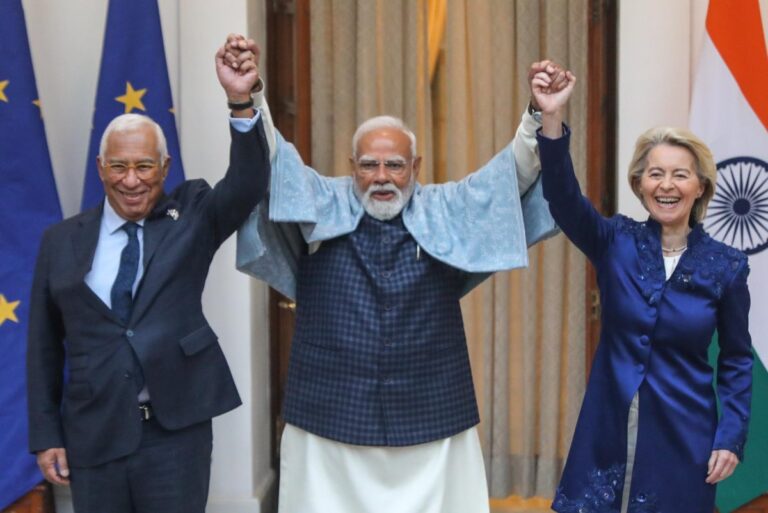
The new push for an FTA follows a visit to India in February by European Commission President Ursula von der Leyen and the EU College of Commissioners, during which she and Prime Minister Narendra Modi agreed to set the deal at the end of 2025. The deal has become all the more urgent amid growing global trade uncertainties, particularly following changes in policy American tariff.
Currently, India is the EU’s ninth largest trading partner, accounting for 2.2% of the EU’s total merchandise trade in 2023. Meanwhile, the EU remains India’s largest trading partner, with bilateral trade in goods worth €124 billion and trade in services reaching €59.7 billion in 2023.
About The Author