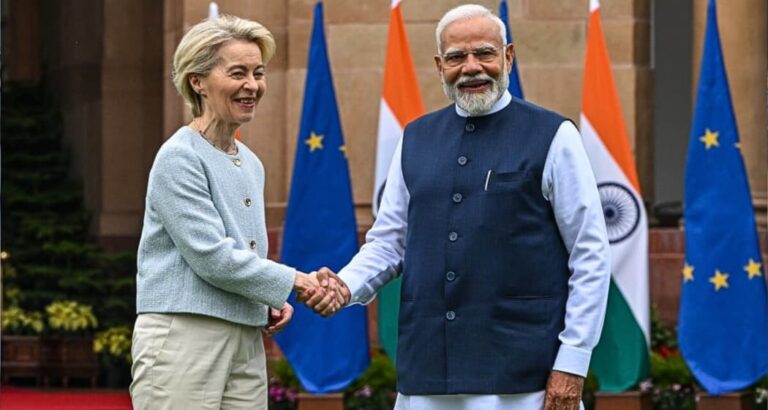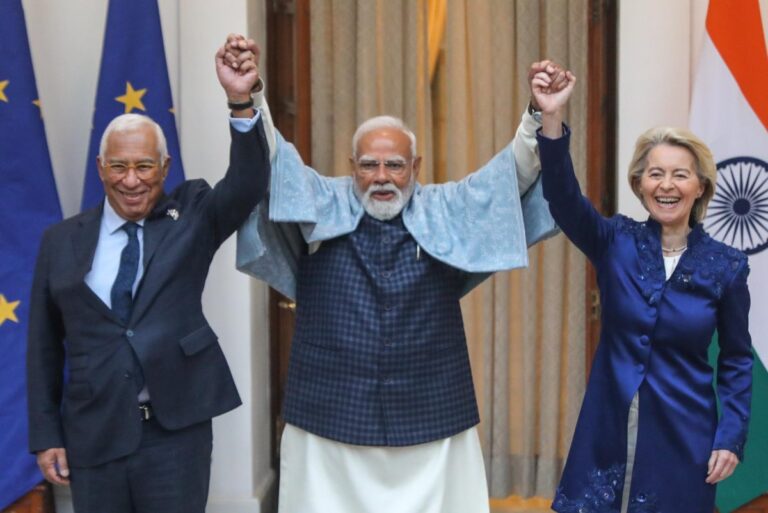
The recent European Union decision to incorporate the India carbon credit mechanism, Carbon credit trading mechanism (CCTS), in its carbon border adjustment mechanism (CBAM) is a watershed in diplomacy and climatic affairs. This activity, which is part of the EU Strategic Agenda in India 2025extends far beyond technical conformity. The alignment of two very different savings in a common carbon price frame is a risky effort. It moves India priorities to industrial development, competitiveness of exports and sovereignty. This is a test for Europe to determine if CBAM can go from a unilateral climate tool to an authentic place of partnership with the world South.
Development is essential not only for India, but also for discussion on the North-South climate, where questions such as equity, market access and development priorities are systematically debated. The integration of carbon markets shows that climate governance is no longer limited to international conferences but is increasingly included in trade agreements, market systems and supply chains.
The India carbon market in transition
India carbon markets are still in their early days, but they are developing following government efforts to use market mechanisms to reduce emissions. THE Carbon credit trading diagramEstablished under the law on the modification of the energy conservation of 2024, offers a carbon trading system based on the rates for nine industrial sectors. In addition, it creates a double compliance mechanism and the optional carbon trading.
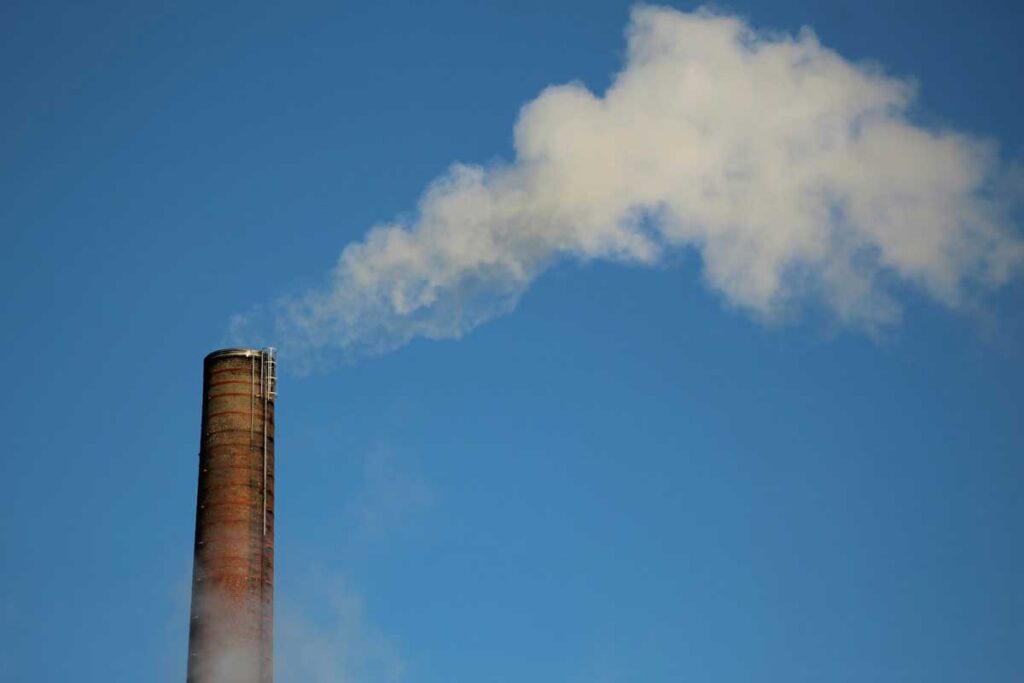
With the official launch planned in mid-2026, the CCTS is designed to gradually align the internal prices of India with world expectations. Domestic development occurs under the pressure of multiple mounting factors. The EU CBAM, which should take effect from 2026, will allow carbon costs on imports of high carbon products such as steel, cement, aluminum and fertilizer.
It is precisely the sectors underlying the industrial growth of the country, employ millions and anchors its export portfolio. The CBAM can therefore be considered by Indian exporters as an obstacle and an opportunity to realign the world market which becomes aware of carbon.
Integration logic
The integration of CCT and CBAM addresses two persistent points expressed by Indian officials and exporters.
- Double tax extension:
Without integration, exporters can be penalized twice: once for the internal responsibilities of India carbon and once again for CBAM on the EU border. This would have had a considerable impact on competitiveness, in particular for projects with high energy intensity. This integration guarantees that the local carbon pricing of India is credited with the expenses of the CBAM, thus avoiding unjustified sanctions.
- Decarbonization incentives:
Binding the two systems requires that Indian companies pay for carbon expenses certified at home. Companies that engage in energy efficiency, renewable integration and low carbon technologies reduce CBAM risks while increasing long -term competitiveness in European markets. The strategy creates a virtuous loop in which national compliance is equal to international competitiveness.
Aside from these immediate advantages, integration could accelerate the maturation of India carbon markets. By matching EU standards for integrity, openness and additionality, the CCT of India could establish credibility as a solid global system. This, in turn, creates opportunities for India to export high -quality carbon credits, access to green financing and attract investments through European programs such as the Global Gateway.
Since the energy revolution of India should cost 10 billions of dollars By 2070, the prospects for climate financing and foreign investment are extremely crucial.
Carbon market geopolitics
Integration must be seen through the objective of geopolitics. The EU has made CBAM the center of its climate trade program, with the aim of preventing “carbon leaks” and protecting European competition companies against producers from countries with lower environmental standards. India’s desire to engage rather than resisting symbolic value has a symbolic value. This implies that the CBAM can go from a unilateral European tool to a collaborative alignment platform with the main emerging countries. This is significant since other countries in the world of world – Brazil, South Africa and Indonesia – have expressed concerns about the potential discriminatory consequences of CBAM. If the integration of India succeeds, it could create a precedent for greater diplomacy in north-south carbon.
For Europe, the issues are also high. If the CBAM is considered a forced commercial barrier, it can alienate emerging savings and cause regulatory commercial restrictions. The EU strengthens CBAM’s legitimacy as a global mechanism by allowing the flexibility to recognize the carbon markets of India.
Concerns of equity and diplomacy
However, integration raises complex questions of justice, climate change and diplomacy. India has frequently raised concerns that programs like CBAM are likely to become disguised commercial barriers which can penalize developed economies in a disproportionate manner. This is particularly relevant for nations whose development is always based strongly on fossil fuels.
The severe warnings of the Indian Minister of Commerce on delicate issues, including unilateral actions, highlight delicate questions of economic justice and sovereignty. Such warnings highlight the political sensitivity of the surrender of economic sovereignty in the name of climate action. For many in India, CBAM represents a collision between global environmental ambitions and the right to development.
There is also a national risk. If Indian companies and decision -makers count too much on exporting or acquiring international carbon credits, they may delay the difficult but vital task of reducing home emissions. Trading should support, rather than replacing, a significant climate action. For India, the task would be to ensure that the CCTS does not become a device for creative accounting but rather an authentic transformation catalyst.
Strategic integration opportunities
If it is managed judiciously, integration has the potential to become an important instrument for the India climate and trade program. Several possibilities extend.
● Industrial modernization – Indian companies forced to decarbonize in order to access the European market will increase their long -term competitiveness in the global carbon -free global economy.
● Climate finance – Credible carbon prices will attract international investors looking for reliable credit markets, in particular Europe. By incorporating the integration of carbon credit into AFT negotiations in India-EU, India can plead for technology transfer in areas such as green hydrogen, carbon capture and battery storage.
● Diplomatic lever effect – India’s status as a previous player would provide him with an advantage in the development of global carbon governance standards, ranging from COP negotiations to the trade agreements of the complaints of the WTO.
Towards a future collaborative climate
For the benefit of India, the planned Indian free trade agreement and the climate partnership must install a sense of shared global responsibility. This implies ensuring that carbon pricing mechanisms promote technology, improve their capacity for environmental governance and consider India development priorities.
By carefully sailing to these diplomatic and market realities, India can transform the EU carbon credit mechanism of a political commercial barrier into a sustainable growth tool and greater climate diplomacy. The world closely monitors this integration, because its success will shape the economy of the carbon of India and will establish a model of collaboration between the North and the South world to tackle the climate disaster.
While the world is looking at, India is held at a crossroads: transforming the EU carbon credit mechanism of a commercial obstacle into a lever for sustainable growth and stronger climate diplomacy. The decision will not only shape India’s carbon economy, but also the future of global cooperation on the determining challenge of the country.
About The Author