Daijiworld Media Network – New Delhi
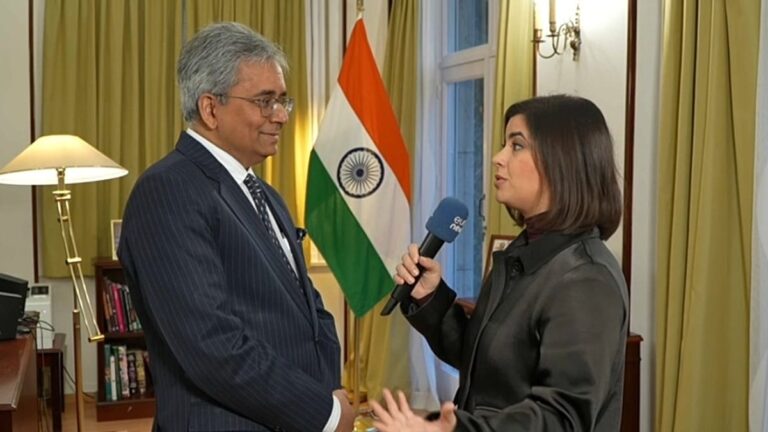
New Delhi, September 30: The envoy of the European Union (EU), Herve Delphin, described on Monday the recent round of Indian-UE negotiations for a free trade agreement (ALE) as a “missed opportunity”, while exhorting New Delhi to head to a mutually beneficial agreement.
Addressing journalists, Delphin said that the EU “was and is always ready” to agree on a “significant” commercial set and stressed the growing convergence of economic, geopolitical and security interests between India and the European block. The 13th round of the ALE negotiations took place from September 9 to 12.
“The 13th round earlier in September was a missed opportunity to take a breakthrough. We are impatiently waiting for India to engage seriously and moving, as the EU has shown preparation for a mutually beneficial agreement,” said Delphin.
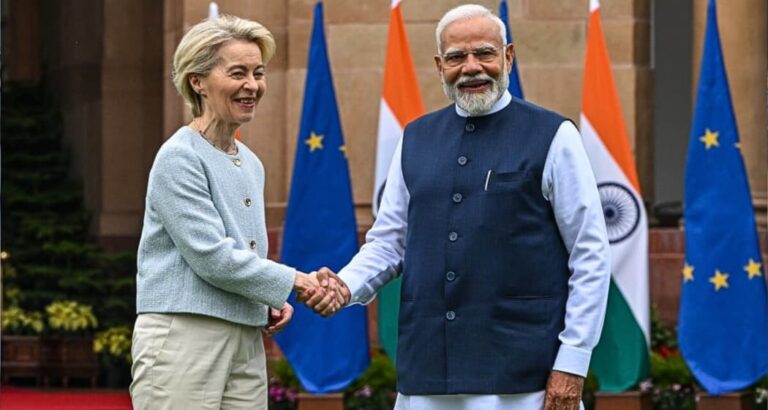
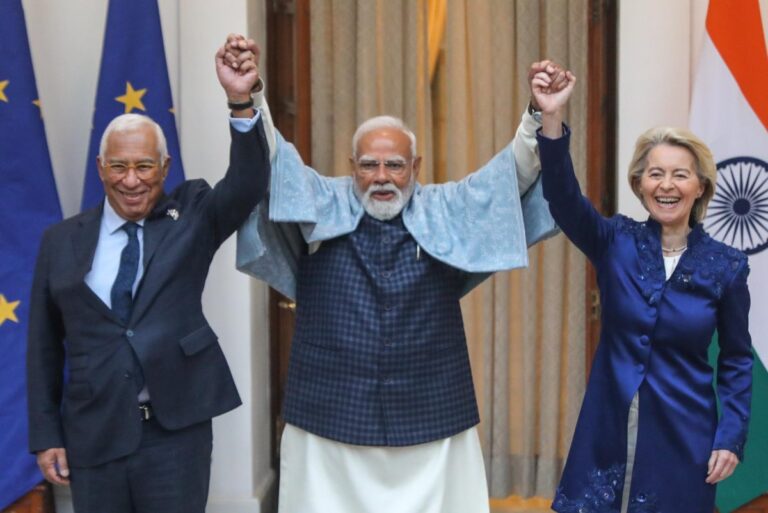
Stressing that the strategic confluence of India and the interests of the EU “has never been larger”, the envoy called to a transformer partnership pact. “The confidence and the push of our relationship can bring it to a new strategic level. This is the call from Brussels to Delhi,” he said.
Citing that India and the EU represent almost 25% of world GDP and the population together, Delphin noted that the two parties are world cooperative players engaged in an international order based on rules. “We are both offset from the wars of aggression and terrorism; or economic coercion. As great democracies, we attach importance to respect and promote human values,” he added.
He stressed that the evolution of the “strategic autonomy” of Europe makes the EU a precious partner for India, in particular in the midst of the challenges posed by China, Russia and the United States. “The circumstances of the need to manage, to cover yourself by diversifying partnerships and the affirmation of greater strategic autonomy certainly give a strong momentum to deepen our strategic links,” he observed.
Delphin also referred to the broader geopolitical reshuffle, in particular the intensification of American-china rivalry and the resurgence of nationalist policy. He warned that these trends were erased international law and multilateralism, adding that India and the EU face challenges common to their economic development, their security and their vision of a cooperative world order.
Citing the president of the European Commission Ursula von der Leyen, Delphin said: “This world is responsible for danger. But this modern version of Grand Power competition is an opportunity for Europe and India to reinvent their partnership. In many ways, the EU and India are particularly placed to meet this challenge together. ”
About The Author