The European Union Political and Security Committee (EU) will make its very first visit to India from September 10 to 14, signaling an important step in the block efforts to deepen the defense, security and the commitment of foreign policy with New Delhi. The visit comes at a time when the two partners are sailing in a changing global order marked by economic protectionism, the intensification of geopolitical rivalries and conflicts of remoding of security priorities.
The PSC delegation, led by the ambassador of President Delphine Pronk, will include ambassadors from the 27 EU member states based in Brussels. During a week’s visit, they will engage with senior Indian government officials, defense industry representatives, politics experts and stakeholders in civil society.
Why now?
The moment of awareness of the PSC highlights the growing interest of Europe for India as a strategic partner. The United States adopting a more protectionist economic position, including pricing measures that affect European and Indian exports, Brussels seeks to reduce its dependence in Washington and diversify its external partnerships. At the same time, the Russian war in Ukraine, instability in the Middle East and maritime disturbances in Indo-Pacific increased higher security considerations on the EU agenda.
India, with its expansion role in Indo-Pacific and growing-industrial capacities, offers a precious partner for Europe in fields ranging from maritime security and cyber-resilience to the diversification of supply chains and the fight against terrorism.
Beyond the economy
Although India and the EU are in the last stages of negotiating a free trade agreement expected by the end of 2025, the CFP visit demonstrates that the links are no longer limited to trade. Defense cooperation, technological partnerships and strategic security problems are now at the heart of dialogue.
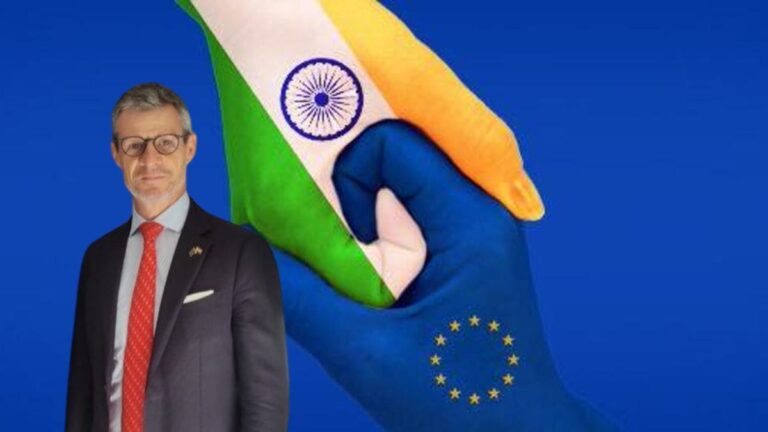
Ambassador Pronk described the moment as “Critique for international partnerships”, “ Noting that the two parties share interest in the fight against cyberrencies, maritime security, disinformation and governance of space. EU Ambassador to India Hervé Delphin added that the visit underlines Europe “Increasing strategic investment” in its partnership with India.
Strengthening of strategic convergence
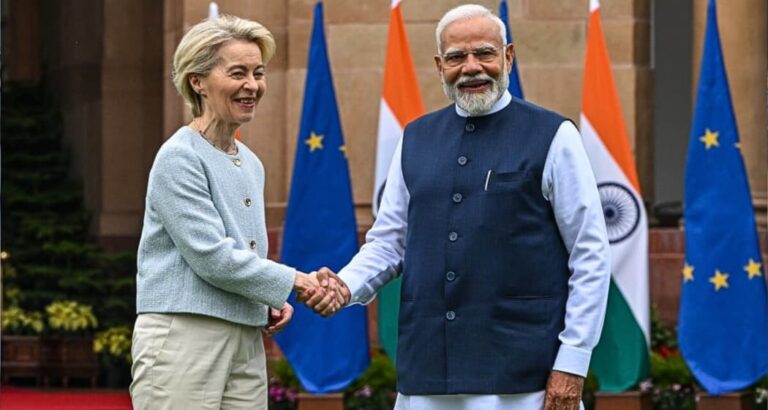
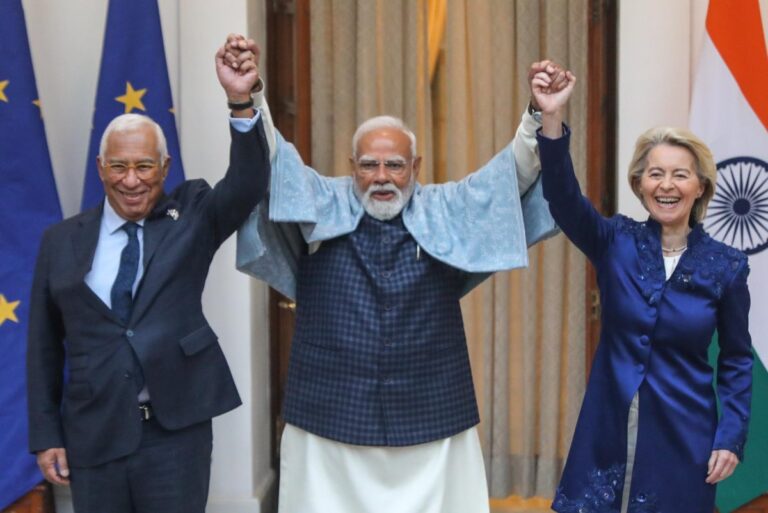
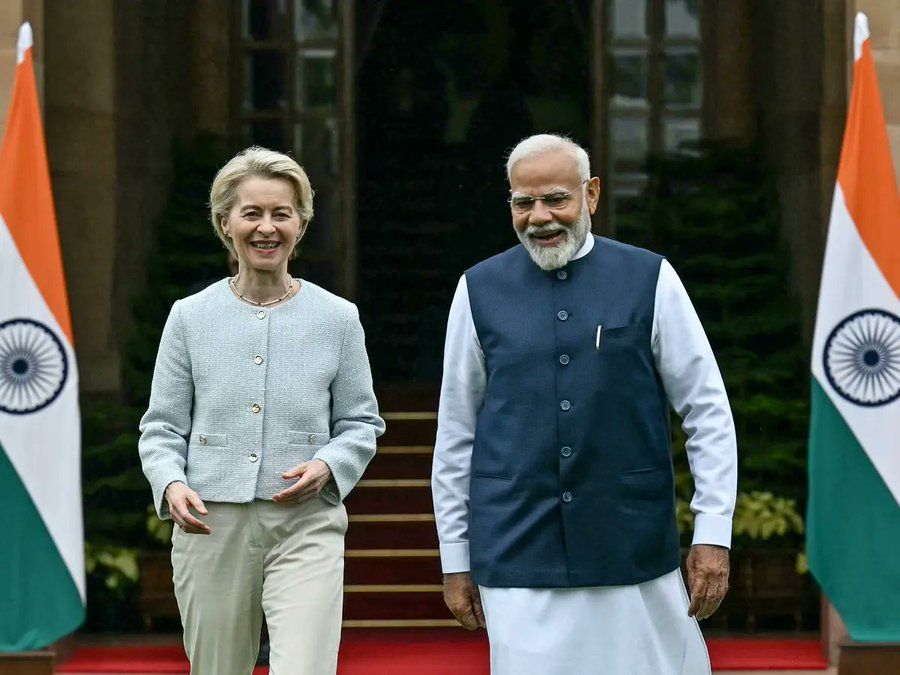
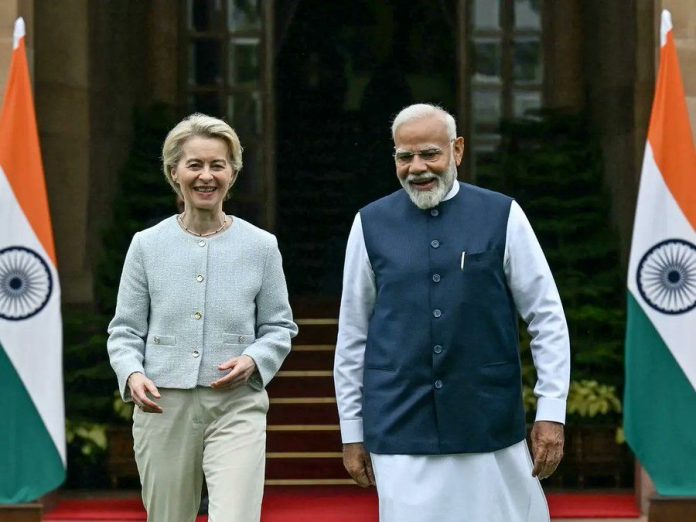
The visit follows a recent trilateral telephone call between Prime Minister Narendra Modi, the president of the European Council Antonio Costa and the president of the European Commission Ursula von der Leyen, where the two parties reaffirmed commitments for defense, security and the fight against terrorism. It is also based on high-level previous commitments this year, including the visit of the college of EU commissioners in February and the EU-India inaugural strategic dialogue in June.
As a key to key decision -making for EU foreign and security policy, the CFP leads to strengthen strategic links with partners from around the world. His first trip to India reflects recognition by New Delhi Europe as a pivotal geopolitical player in an increasingly multipolar world order.
Ahead
The PSC visit is expected to lay the foundations for the next India-UE summit in early 2026 and expand cooperation in areas such as defense technology, sustainability and crisis management. For India and the EU, commitment concerns the immediate security problems as much as long -term positioning in a global order which becomes more fragmented.
Huma siddiqui

About The Author