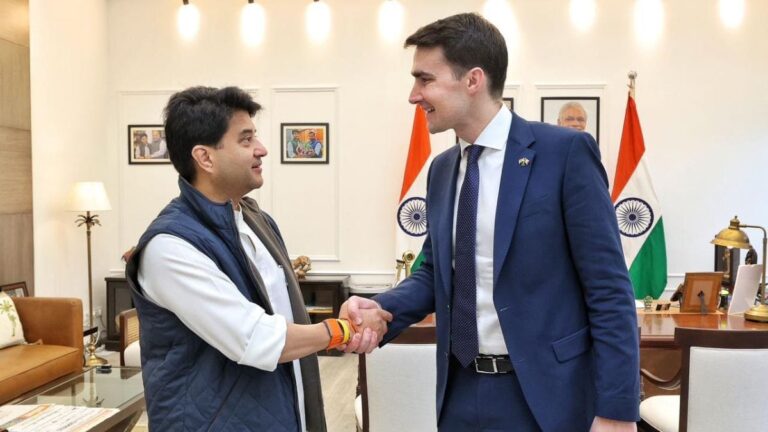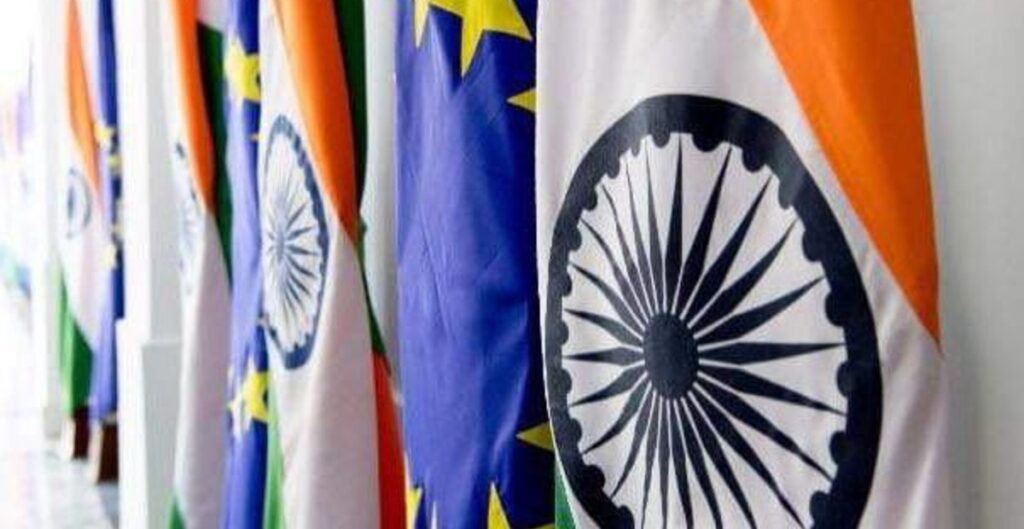
India and the European Union intensify negotiations for a long-awaited free trade agreement (ALE). An EU delegation led by the trade commissioner Maroš Šefčovič and the agriculture commissioner Christophe Hansen arrives in Delhi for interviews with trade and the Minister of Industry Piyush Goyal.
The visit comes in the middle of the 13th cycle of negotiations, considered essential to finalize the framework of a commercial pact which has made more than a decade. This week’s meetings have a renewed emergency while India recalibrates its external trade relations in response to American prices.
“The climbing of the United States has clearly indicated that India must extend and stabilize its commercial portfolio,” said a senior trade official. “EU’s agreement not only offers market access, but also long -term predictability.”
What is on the agenda
The negotiators have closed about two thirds of the chapters of the ALE, including those related to digital trade, customs facilitation, dispute resolution and support for small and medium -sized enterprises. However, several controversial areas remain, such as:
- Rules of origin
- Pricing concessions on dairy products, wine, cars and medical devices
- Compliance with the carbon border adjustment mechanism (CBAM)
- Standards for the protection of intellectual property and investments
The authorities hope for a resolution before the next series of talks in Brussels, scheduled for early October.
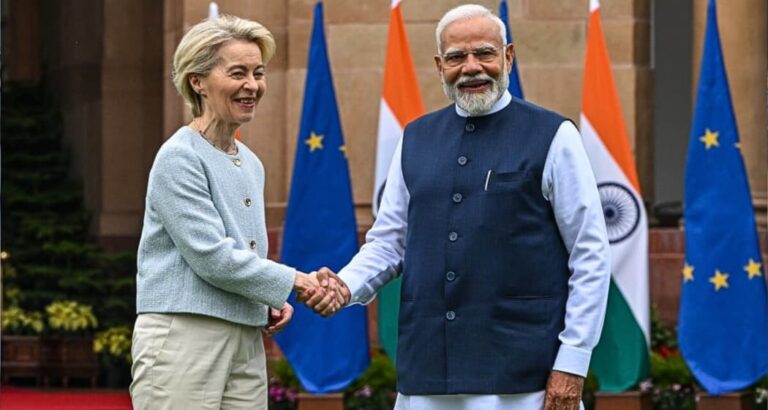
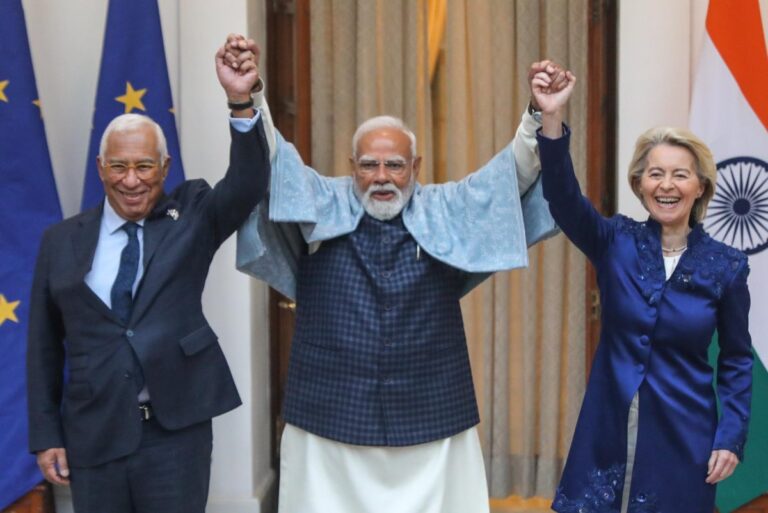
The president of the European Commission, Ursula von der Leyen, in her speech on the state of the Union, said that the EU was determined to conclude a “historic trade agreement” with India before the end of the year.
Prime Minister Narendra Modi is also actively engaged with European leaders. In a telephone conversation with Italian Prime Minister Giorgia Meloni, the two leaders reaffirmed support to speed up the FTA.
Germany has echoed similar support, senior officials supporting India’s concerns on regulatory standards and the continuation of EU internal consensus on key aspects of the agreement.
Beyond trade
On September 17, the EU should unveil a new strategic vision document describing its long -term commitment to India through trade, climate, technology, defense and foreign policy. Several exchanges are planned in the coming months, including:
- Visit of the EU political and security committee in New Delhi (October)
- India-UE TRADE AND TECHNOLOGY COUNCIL (TTC) meeting (November)
- Indo-Pacific Ministerial Forum in Delhi (November 20-21)
- Visit of the High EU Representative for Foreign Affairs Kaja Kallas (expected in December or next year)
Why this agreement is important
In 2024-25, Indian trade in goods with the EU amounted to $ 136.5 billion, with 51.4 billion additional services. The EU represents around 17% of the total exports of India, making it the largest trading partner in India.
For the EU, the agreement offers a large fast growing market because it seeks to reduce over-dependencies in other regions. For India, it is strategic coverage in the middle of commercial friction with the United States, and an opportunity to lock access to advanced markets in predictable terms.

About The Author