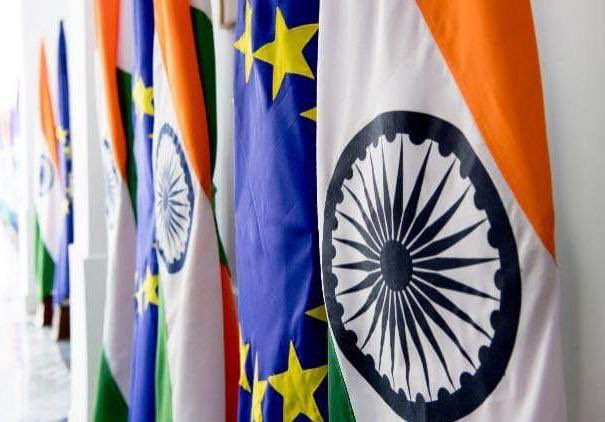
New Delhi: New Delhi hosts the 13th cycle of the free trade agreement (ALE) Negotiations between India and the European Union, in the hope of finalizing the agreement by the end of the year.
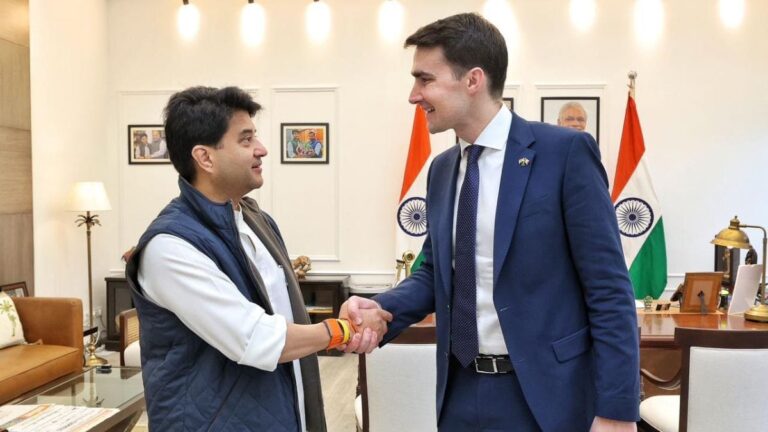
High -level visits add momentum to discussions. EU trade commissioner Maros Sefcovic And Agriculture Commissioner Christophe Hansen Delhi are in Delhi to inject political energy and help advance negotiations that have already closed 11 of 23 policy chapters, including areas such as digital trade, competition and intellectual property. The capital movement agreement is also being completed.
The next rounds – 13th in Delhi and 14th in Brussels (from October 8) – will address complex problems such as technical trade barriers, health standards, rules of origin, public procurement, market access and digital commercial logistics.
India has firm in sensitive sectors, excluding rice, sugar and dairy products from negotiations. In return, the EU is looking for improved access to cars and spirits. The block is also open to the expansion of exports of aquaculture products such as shrimp, in response to recent American tariff increases.
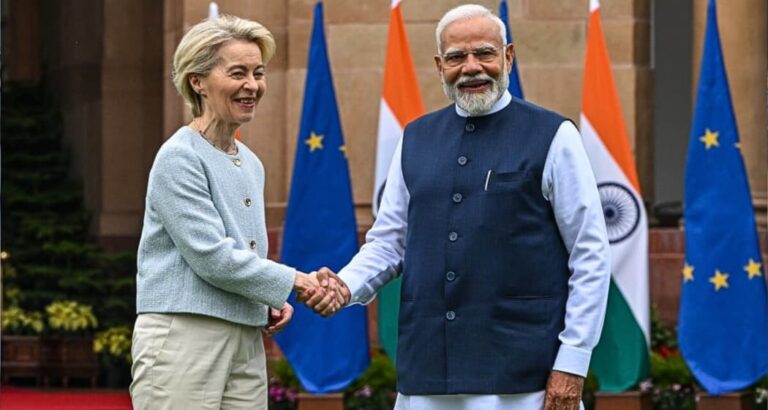
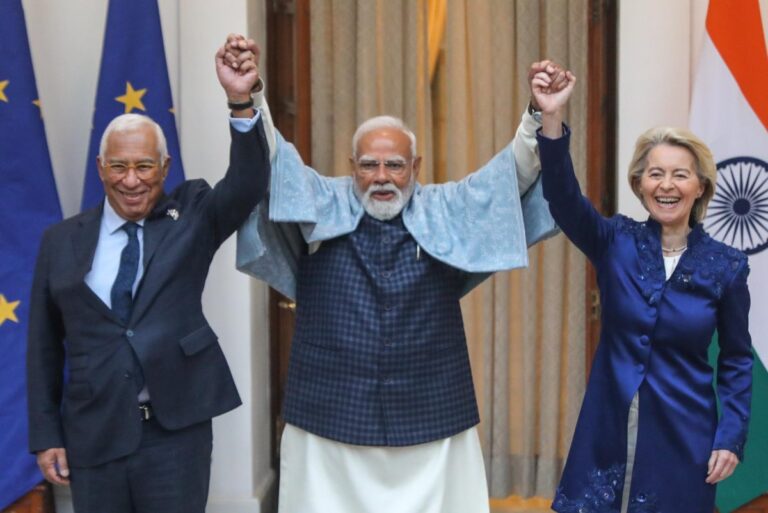
These discussions follow a telephone call on September 4 between Prime Minister Modi And EU leaders, who urged an accelerated conclusion to the ALE. The agreement is also aligned with the preparations for the India-EU 2026 summit and is closely linked to the next presentation of a new strategic program by the EU on September 17.
Paralelly, commitment to counter-terrorism and Indo-Pacific Cooperation continues-highlighted by the dialogues held by Brussels this week-and the Minister of Foreign Affairs Jaishankar should participate in the Indo-Pacific Forum from November 9 to 10. A ministerial session of the Indian Council-EU Trade and Technology (TTC) is also planned to strengthen collaboration through AI, quantum IT, biotechnology, defense, etc.
About The Author