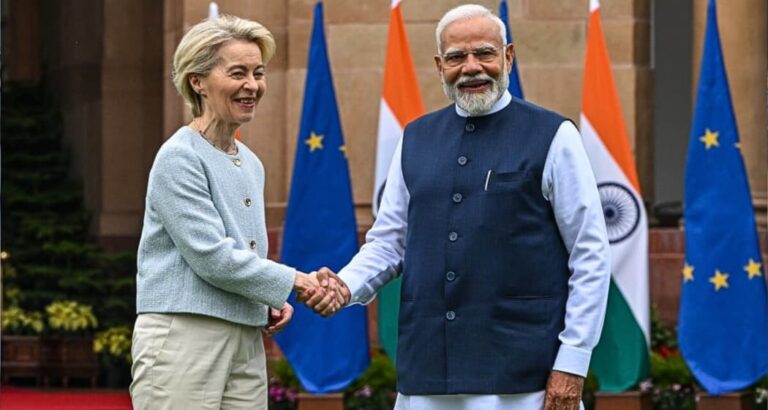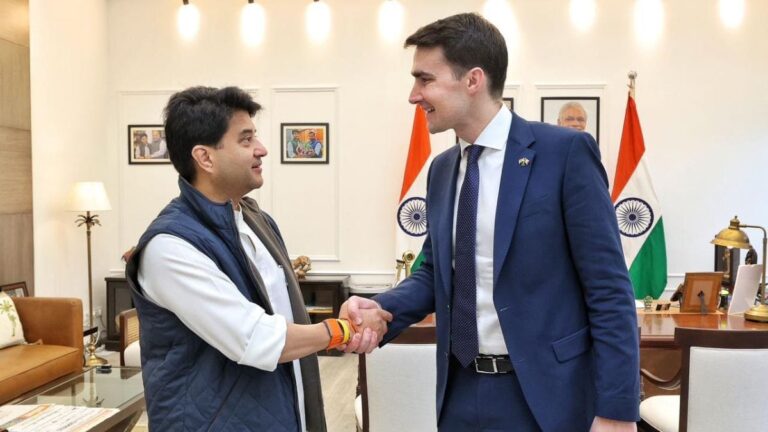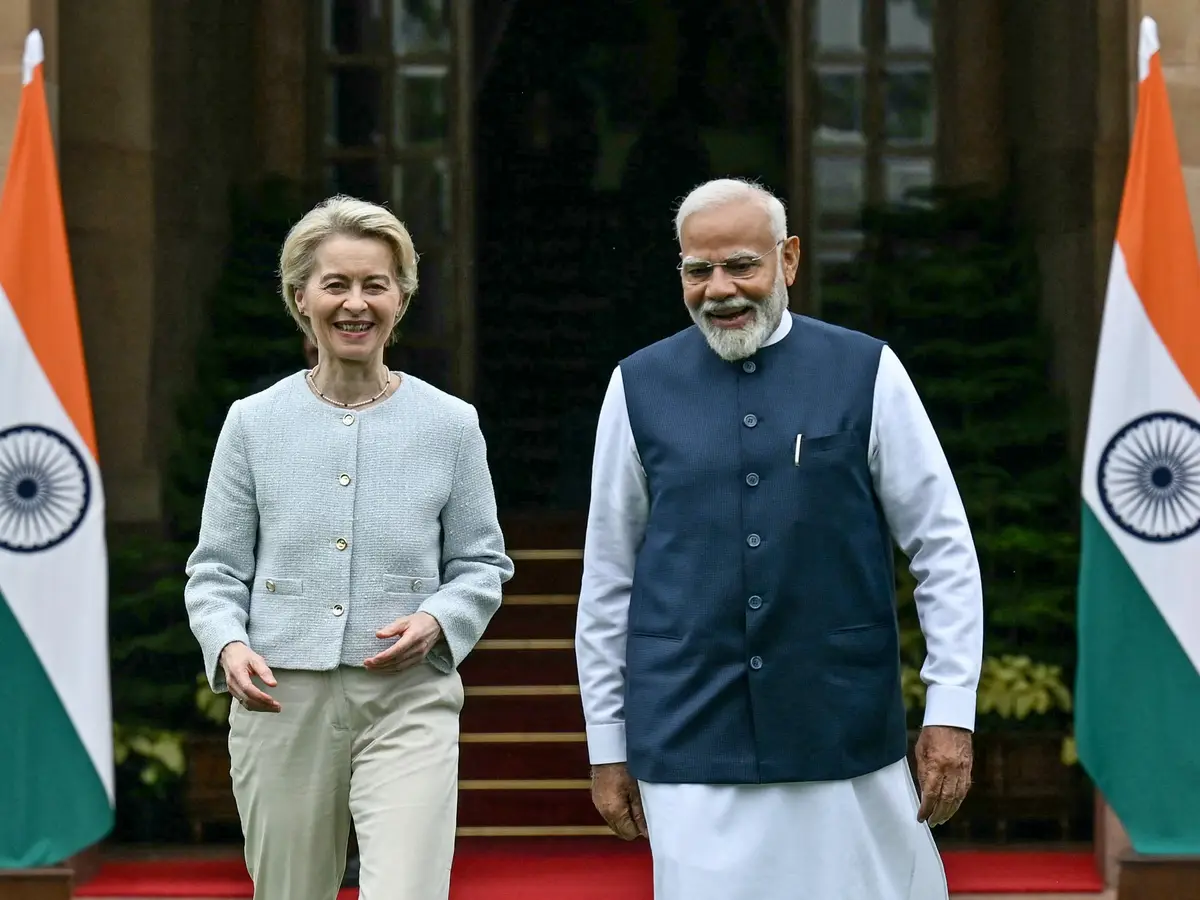
In pressure to deepen links, India and the European Union should considerably increase their commitment this week, with two high-level ministerial visits (EU commissioner level) in New Delhi and the 13th cycle of negotiations for a historic free trade agreement (ALE). The burst of diplomatic activity comes even though the two parties aim to conclude the FTA at the end of the year, based on the momentum of the visit of the Minister of External Affairs, S. Jaishankar, in Brussels and visit of the European college led by President Ursula von der Leyen in India.
This week, the European Commissioner for Agriculture and Food Christophe Hansen and the Commissioner of Trade and Economic Safety Maroš Šefčovič will arrive in New Delhi, coinciding with the 13th round of the Ale talks. Negotiations, which have made regular progress, have already temporarily closed 11 chapters, covering areas such as intellectual properties, customs and trade facilitation, transparency, good regulatory practices, mutual administrative assistance, SMEs, the sustainable food system, dispute resolution, competition and subsidy, the chapter of digital trade and anti-fraud practices.
The discussions on the capital movement are being completed, although the two parties have drawn clear red lines, excluding dairy, sugar and rice of the FTA agreement. Emphasis is placed on improving market access and the fight against pricing and non -tariff barriers, with the recent trip to the Indian trade secretary Sunil Barthwal to Brussels respecting the commitment to move forward.

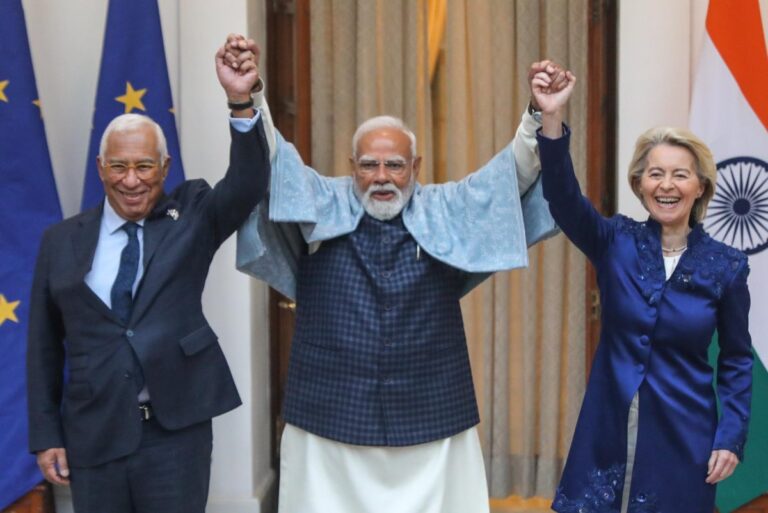
The Ale talks are part of a broader strategic alignment between India and the major EU-2 economies, in the midst of geopolitical changes and in the shadow of Donald Trump’s prices. Last week, Prime Minister Narendra Modi and the president of the European Council Antonio Costa and the president of the European Commission Ursula von der Leyen held telephone talks.
The leaders reaffirmed their commitment to quickly concluding the ALE and discussed pressing global issues, notably the war in Ukraine and the Eastern Economic Corridor (IMEC) in India. Prime Minister Modi underlined India’s support to a peaceful resolution to the Ukrainian conflict, while also extending an invitation to EU leaders for the India-EU summit next year, should set the tone for the new strategic partnership program.
The coming months promise a crowded program. This week will also see a delegation of 30 members of the EU political and security committee to visit India, coinciding with a counter-terrorism dialogue in Brussels on September 9. The counter-terrorist dialogue will be led by key officials from both parties. India should express its concerns concerning the question of cross -border terror while the two parties work to cope with the scourge of terrorism.
On September 17, the EU Commission will unveil a key vision document describing its strategic program with India – a political offer aimed at strengthening links at all levels. He will be discussed at all levels, from working groups to minists and head of government. The document should be the basis of links.
In advance, the 14th round of AFT talks is scheduled for early October, followed by a visit by the president of the Standing Committee of the EU Parliament on commercial issues. In November, Eam Jaishankar was invited to Brussels for the Indo-Pacific Ministerial Forum while the EU pivots the region which is considered the key to global growth. At the end of November, foreign and security policy consultations at the secretary will take place in New Delhi, by examining the broader strategic partnership. Above the same time, a strategic partnership review will take place.
Meanwhile, plans are underway for the meeting of the Commerce and EU-EU Technology (TTC) this fall. Launched in February 2023, the TTC – The first initiative of this type of India with any partner – makes it possible to strengthen cooperation in trade, technology and security, marking an important step in bilateral relations. The crescendo of this diplomatic blitz this year will probably end with a visit by Kaja Kallas, the high representative of the EU for Foreign Affairs and Security Policy, in India before the summit of next year. His journey, the first since the assoblivement of an office, will focus on the EU’s commitment to raise his partnership with India at a time of great geopolitical uncertainty.
About The Author