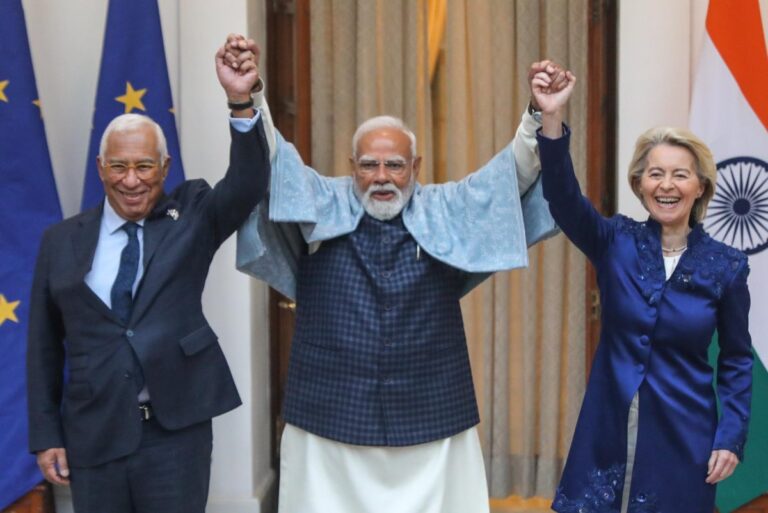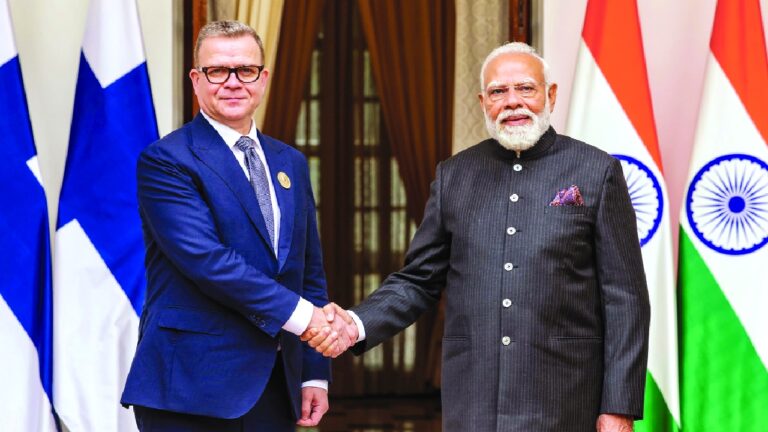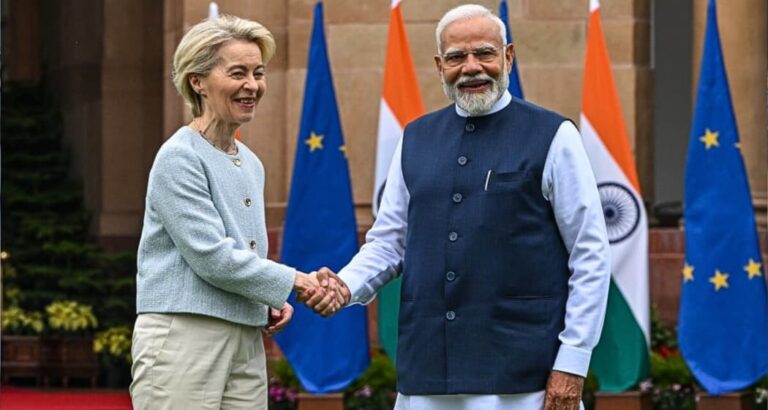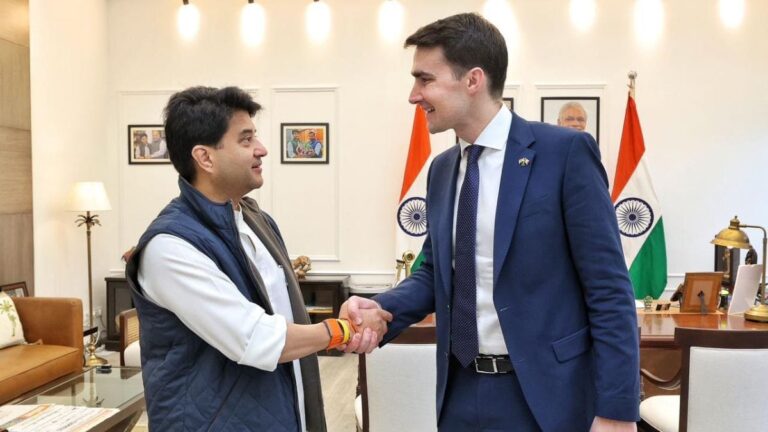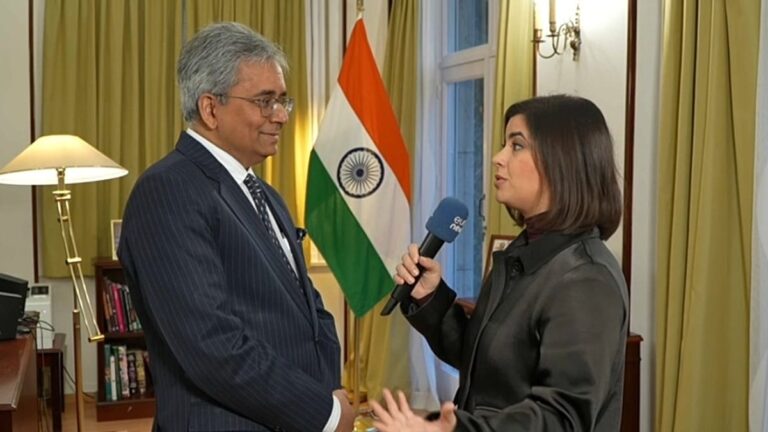
The historic visit of Prime Minister Narendra Modi in Croatia on June 18, 2025 marked a new chapter in India-Europe relations. As the first Indian Prime Minister to visit the Balkan nation, Modi’s journey aimed to strengthen bilateral ties, to explore new channels of cooperation in various sectors and to underline the commitment of India to engage with the European Union.
A historical first for bilateral relations
The arrival of Prime Minister Narendra Modi in Zagreb met with a special gesture by Croatian Prime Minister Andrej Plenković, who personally received him at the airport. This visit, the very first of an Indian Prime Minister in Croatia, means a central moment in the diplomatic relationship between the two nations. Modi’s tour, which also included stops in Cyprus and Canada, underlined the strategic awareness of India to European partners.
Deepen cooperation in the key sectors
During high -level meetings, the two leaders highlighted the importance of accelerating bilateral links. Discussions covered a wide range of sectors, leading to the signing of several cooperation agreements and memorandums. The main areas of collaboration include:
- Defense and strategic cooperation: Agreements have been concluded to co-develop defense technologies and extend military exchanges, especially in niche fields such as electronic war and drone technology.
- Trade and infrastructure: Indian companies are encouraged to explore opportunities in Croatian shipbuilding, ports and renewable energies, while Croatia looks at India as pharmaceutical products, IT services and clean technology investments. Bilateral trade, which reached $ 337.68 million in 2023, is expected to increase more.
- Technology and space: India has extended an invitation to Croatian technological companies to participate in its semiconductor mission, and discussions took place on a potential collaboration between ISRO and Croatian university establishments in satellite and communication navigation technologies.
- Agriculture and culture: Memorandums have been signed to stimulate cooperation in agriculture and cultural exchanges, including a proposal for “Festival of India” in Croatian cities and an agreement between the ICCR and the University of Zagreb for Indology Studies.
The strategic importance of Croatia for India
Croatia, a member of the European Union and NATO, has an important strategic value for India. Its location on the coast of the Adriatic Sea positions it as a crucial gateway to central and eastern Europe. The Croatian ports like Rijeka, Split and Ploče are considered as potential poles in the ambitious economic corridor of India in East-Europe (IMEC), offering an alternative trade route and connecting India to the three countries of the SEA initiative.
Cultural diplomacy and shared heritage
The visit also underlined the cultural and civilizational ties deeply rooted between India and Croatia. Prime Minister Plenković presented Mods with a reprint of the Sanskrit grammar by Filip Vezdin, the first uncribable grammar printed written in Latin in 1790 by a Croatian scientist. Modi also visited the historic upper city of Zagreb and posed a crown in the monument to the fatherland, honoring the Croatian martyrs.
Main to remember
- First visit an Indian Prime Minister in Croatia, marking a historic stage.
- Reinforced cooperation in defense, trade, technology, agriculture and culture.
- The strategic role of Croatia as a gateway to central and eastern Europe and a potential center for the IMEC.
- The emphasis on cultural ties, including the presentation of a historical reprint of Sanskrit grammar.
- Commitment to dialogue and peaceful conflict resolution, the two nations condemning terrorism.
Ahead
While the visit has thrown a solid base, the two nations recognize the need for a sustained effort to achieve the full potential of their partnership. The emphasis will now be placed on the implementation of signed agreements and the reduction of economic engagement to correspond to the growing diplomatic momentum. This visit signals the evolution of India’s foreign policy, which is increasingly seeking to forge solid and diverse partnerships beyond traditional alliances.
Sources
About The Author