According to Times of India, negotiations are already underway with several countries, including Chile, Peru, Australia and New Zealand. In parallel, the Commerce Department increases its negotiation teams and also works to ensure that exporters actually use the preferential rates available.
Recent data indicates an improvement in the use of these prices, especially in the case of water. However, detailed figures for each country are still under collation by the Commerce Department.
The Modi government, which had previously adopted a cautious approach to the FTA, is now evolving with a more structured plan. This change occurred after India left the Regional Economic Partnership (RCEP) led by China (RCEP).
The first pillar of the new FTA framework focuses on complementarities. “If we compete for the same set of products, it does not make sense to have an ALE,” said an official.

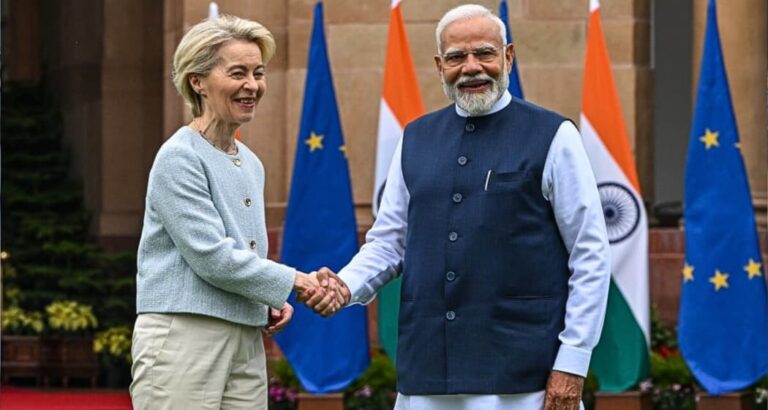
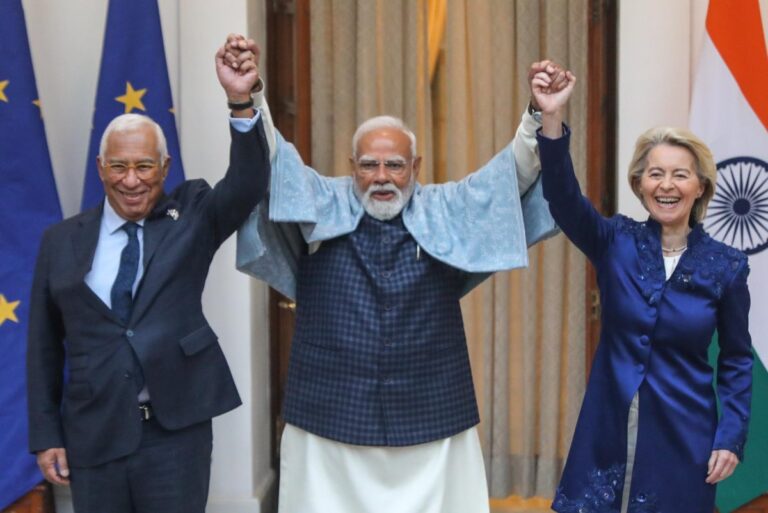
Consequently, the government’s initial objective has been placed on developed nations. These countries, due to their higher cost structures, are not considered direct competition in the high-intensity sectors. But this strategy also forces India to move away from its usual reluctance to reduce prices on the sectors, previously deemed sensitive. These include cars and products such as wine and alcohol. The British trade agreement has already been finalized, while agreements with the EU and the United States are underway. India and Canada have also agreed to restart discussions. In neighboring countries, some are out of table, such as China and Pakistan. But India is open to move forward with talks involving nations like Sri Lanka and Maurice.
At the same time, the government is trying to obtain minerals and critical resources thanks to its commercial discussions. These include countries like Australia, where a chapter on this issue is proposed in the enlarged commercial pact, as well as Chile, Peru and the Nations of the Gulf region. Many of them also fall under the category of developing countries, a segment that should draw more attention in the years to come.
While commercial negotiations are underway, the Commerce Department also strengthens the structure and continuity of its teams. In almost all talks, a team led by a chief negotiator – to the rank of additional secretary – is formed. This is supported by two co-secretary.
Other ministries are also involved in discussions, as trade agreements have sectoral implications. These include ministries of agriculture, labor and various departments that manage industrial goods.
To build the necessary expertise, the Indian Foreign Trade Institute was invited to develop training modules. It is not only for government negotiators but also for participants in the private sector, said a senior official.
All the lessons of the negotiations in progress are under documentation and the standard operational procedures (SOP) are now being prepared to guide future talks.
About The Author